
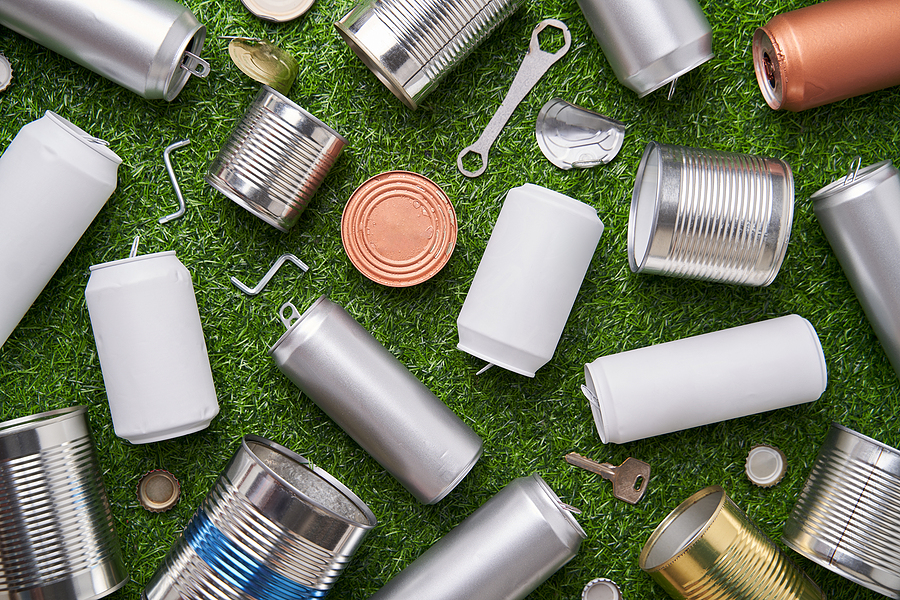
The rapid growth of electronic devices has led to a surge in electronic waste, making metal recycling in electronics more important than ever. Many gadgets, from smartphones to computers and household appliances, contain valuable metals that can be recovered and reused. By extracting these materials, we not only reduce environmental impact but also support a more sustainable supply chain for future technology.
Understanding how metals are reclaimed from discarded electronics helps individuals and businesses make informed choices about disposal and recycling. This article explores the processes, benefits, and best practices for reclaiming precious resources from electronic waste, ensuring that valuable materials do not end up in landfills.
For those interested in the broader landscape of recycling, learning about metal recycling technologies can provide valuable context on how innovations are shaping the industry.
Why Valuable Metals Matter in Electronic Waste
Electronic devices are a rich source of metals such as gold, silver, copper, palladium, and aluminum. These elements are used in circuit boards, wiring, connectors, and various components. Recovering them through metal recycling in electronics reduces the need for new mining, conserves natural resources, and lowers greenhouse gas emissions.
Many of these metals are finite and costly to extract from the earth. For example, gold and palladium are essential for high-performance electronics but are rare and energy-intensive to mine. By reclaiming them from obsolete devices, recyclers help close the loop in the materials economy.
How the Recovery Process Works
The journey from discarded gadget to reusable metal involves several key steps. Each stage is designed to maximize the yield of valuable materials while minimizing environmental harm.
- Collection and Sorting: Devices are gathered from households, businesses, and recycling centers. Items are sorted to separate electronics from other waste streams.
- Dismantling: Skilled workers or automated systems disassemble devices, removing batteries, plastics, and hazardous components.
- Shredding and Size Reduction: The remaining parts are shredded into smaller pieces to facilitate further processing.
- Separation: Advanced techniques such as magnetic separation, eddy current separation, and flotation are used to isolate different metals.
- Refining: Chemical and electrochemical methods purify the recovered metals, making them suitable for reuse in manufacturing.
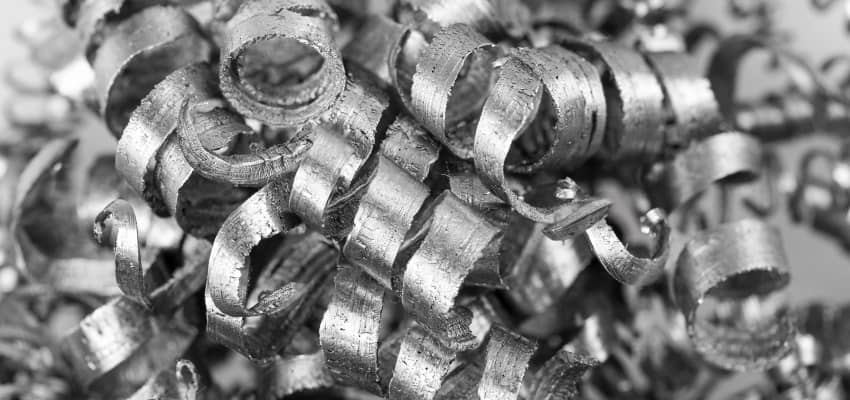
Commonly Recovered Metals and Their Uses
The most frequently reclaimed metals from electronic waste include:
- Copper: Widely used in wiring and printed circuit boards, copper is highly conductive and easily recyclable.
- Gold: Valued for its corrosion resistance and conductivity, gold is found in connectors and contacts.
- Silver: Used in switches and solder, silver is another precious metal that can be efficiently recovered.
- Aluminum: Lightweight and corrosion-resistant, aluminum is present in casings and heat sinks.
- Palladium: Essential for multilayer ceramic capacitors and connectors, palladium is rare and valuable.
These metals are reintroduced into manufacturing, reducing the need for virgin materials. For example, industrial uses of recycled aluminum demonstrate how reclaimed materials can support a range of industries, from automotive to construction.
Environmental and Economic Benefits
The advantages of metal recycling in electronics extend beyond resource conservation. Key benefits include:
- Reduced Environmental Impact: Recycling metals uses less energy and water compared to mining and refining new materials.
- Lower Greenhouse Gas Emissions: The process emits fewer pollutants, helping to combat climate change.
- Job Creation: The recycling industry supports employment in collection, processing, and manufacturing sectors.
- Economic Value: Recovering precious metals from e-waste generates significant revenue and reduces reliance on imports.
For a deeper dive into the journey of scrap materials, see what happens to scrap metal after collection.
Best Practices for Responsible E-Waste Recycling
To maximize the recovery of valuable metals and minimize environmental risks, it is essential to follow responsible recycling practices:
- Use Certified Recyclers: Choose facilities that comply with environmental and safety standards.
- Proper Sorting: Separate electronics from general waste and remove batteries before recycling.
- Data Security: Ensure all personal data is wiped from devices before disposal.
- Stay Informed: Learn how to identify recyclable metals to improve sorting and recovery rates.
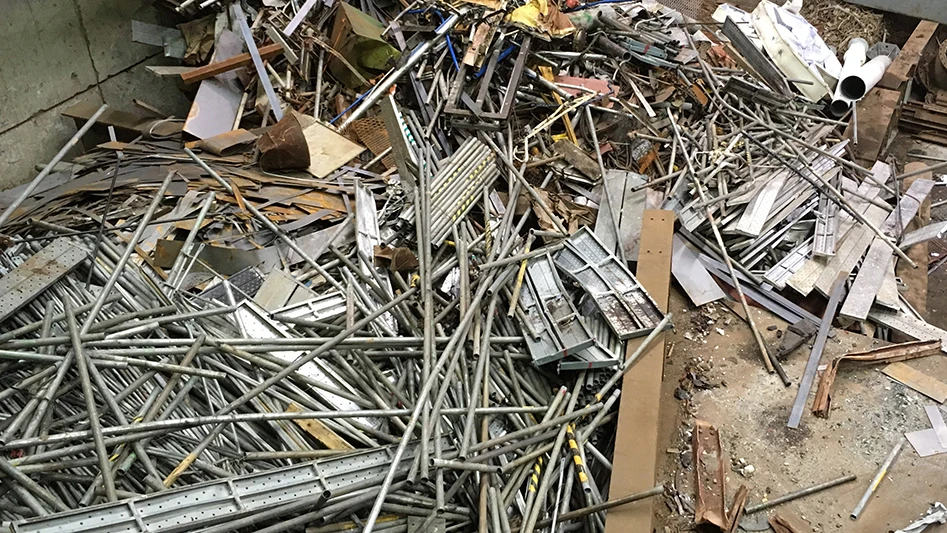
Challenges in Electronic Metal Recovery
While the benefits are clear, there are obstacles to efficient metal recycling in electronics. Devices are becoming smaller and more complex, making manual dismantling difficult. Hazardous substances such as lead and mercury require careful handling to avoid environmental contamination.
Additionally, the presence of mixed materials and proprietary designs can hinder the separation of metals. Continued research and advances in recycling processes are helping to address these issues, making recovery safer and more effective.
Frequently Asked Questions
What types of electronics are best suited for metal recovery?
Devices such as computers, smartphones, tablets, televisions, and household appliances are excellent candidates. These items often contain significant amounts of copper, gold, silver, and aluminum, which can be efficiently reclaimed.
Is it safe to recycle electronics at home?
While some basic sorting and dismantling can be done safely, most electronic recycling should be handled by certified professionals. Many devices contain hazardous materials that require specialized equipment and procedures for safe processing.
How can I ensure my old electronics are recycled responsibly?
Look for certified e-waste recyclers in your area, and verify that they follow environmental and safety regulations. Remove personal data from devices before recycling and separate batteries to prevent hazards.
Can recycled metals fully replace newly mined metals?
While recycled metals can substitute for many applications, some manufacturing processes still require virgin materials. However, increasing the use of recycled metals significantly reduces environmental impact and resource depletion. For more details, see can recycled metal replace new metal in manufacturing.