

The aerospace sector relies heavily on metals such as aluminum, titanium, and specialized alloys to manufacture aircraft, satellites, and related components. As the industry grows, so does the importance of metal recycling in aerospace industry operations. Efficient recycling not only conserves resources but also reduces environmental impact and supports cost-effective production. This article explores essential methods, benefits, and innovations in recycling metals for aerospace applications, offering practical insights for manufacturers, suppliers, and sustainability professionals.
Understanding the lifecycle of metals and the best ways to reclaim and reuse them is crucial for meeting both regulatory requirements and sustainability goals. For those interested in the broader context of recycling, the article on what happens to scrap metal provides a detailed look at the journey metals take after collection.
Why Metal Recovery Matters in Aerospace
The aerospace field generates significant quantities of metal scrap during manufacturing, maintenance, and end-of-life decommissioning. These materials, if not properly managed, can contribute to environmental pollution and resource depletion. By adopting robust metal recycling practices in aerospace, companies can:
- Reduce raw material costs by reusing valuable metals.
- Lower carbon footprint through energy savings compared to primary metal production.
- Comply with environmental regulations and industry standards.
- Support circular economy initiatives by keeping materials in use for longer.
The complexity of aerospace alloys, which often include combinations of aluminum, titanium, nickel, and other elements, makes recycling both challenging and rewarding. Advanced sorting and processing technologies are essential for maintaining the high purity required for aerospace-grade materials.
Common Metals Recycled in Aircraft Manufacturing
Aircraft and spacecraft are primarily constructed from metals chosen for their strength-to-weight ratio, corrosion resistance, and durability. The most commonly recycled metals in this sector include:
- Aluminum: Widely used for fuselage, wings, and structural components due to its lightweight properties.
- Titanium: Essential for high-stress areas and jet engines, offering excellent strength and heat resistance.
- Nickel-based superalloys: Used in turbine blades and other engine parts exposed to extreme temperatures.
- Steel and stainless steel: Found in landing gear, fasteners, and various support structures.
For a deeper dive into the specific uses of recycled aluminum, the article on industrial uses of recycled aluminum explains how this metal is repurposed across different industries, including aerospace.
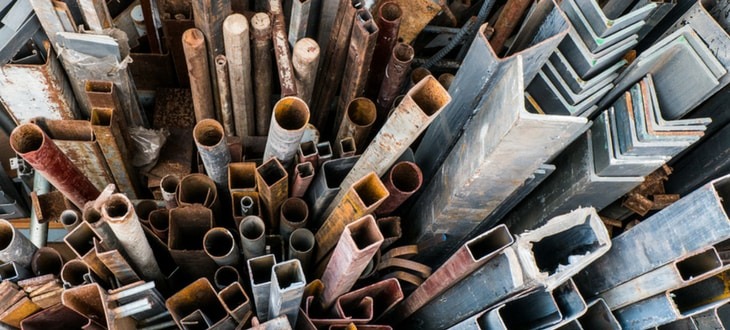
Key Steps in Aerospace Metal Recycling Processes
The process of reclaiming metals from aerospace sources involves several critical stages to ensure material integrity and compliance with industry standards. The following steps outline a typical workflow:
- Collection and Sorting: Scrap is gathered from manufacturing offcuts, maintenance operations, and decommissioned aircraft. Proper sorting is vital to separate different alloys and prevent contamination.
- Identification: Advanced techniques such as X-ray fluorescence (XRF) and laser-induced breakdown spectroscopy (LIBS) are used to accurately identify metal compositions. For practical tips on this, see how to identify recyclable metals.
- Shredding and Size Reduction: Large components are broken down using shredders and crushers, making them easier to handle and process.
- Cleaning and Decontamination: Oils, paints, and other contaminants are removed to ensure the recycled metal meets quality requirements.
- Melting and Refining: Metals are melted in specialized furnaces, then refined to achieve the necessary purity and alloy specifications.
- Quality Control: Rigorous testing confirms that the recycled material matches aerospace-grade standards before it is reintroduced into the supply chain.
These steps require careful coordination and investment in modern equipment. Companies that excel in these processes often leverage the latest metal recycling technologies to maximize efficiency and material recovery.
Innovations and Best Practices in Aerospace Metal Reuse
As demand for sustainable manufacturing grows, the aerospace sector is adopting new methods to improve metal recovery. Some leading practices include:
- Closed-loop recycling: Manufacturers collect and recycle their own production scrap, ensuring traceability and consistent quality.
- Automated sorting systems: Robotics and AI-driven sensors enhance the accuracy of alloy separation, reducing waste and improving yield.
- Partnerships with certified recyclers: Working with specialized facilities ensures compliance with aerospace regulations and maximizes the value of reclaimed metals.
- Design for recycling: Engineers are increasingly considering end-of-life disassembly and material recovery during the design phase of new aircraft.
These strategies not only support environmental goals but also help companies manage costs and supply chain risks, especially in times of raw material shortages.
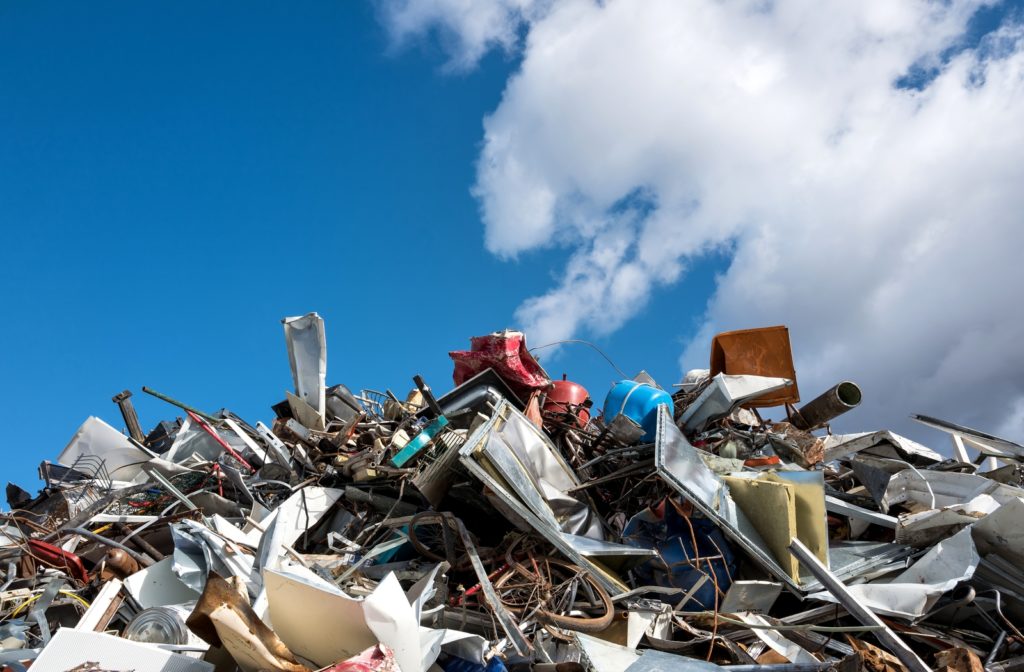
Environmental and Economic Benefits of Metal Reuse
Recycling metals in aerospace manufacturing delivers significant environmental and financial advantages. Some of the most notable benefits include:
- Energy savings: Producing metals from recycled sources uses far less energy than extracting and refining virgin ore.
- Reduced greenhouse gas emissions: Lower energy consumption translates to fewer emissions, helping companies meet climate targets.
- Resource conservation: Recycling extends the life of finite resources, reducing dependence on mining and extraction.
- Cost efficiency: Recycled metals often cost less than new materials, especially for high-value alloys like titanium and nickel.
For a broader overview of recyclable metals and their properties, the guide on different types of recyclable metals is a valuable resource.
Challenges Facing Aerospace Metal Recycling
Despite the clear benefits, recycling metals in aerospace is not without obstacles. Some of the main challenges include:
- Complex alloy compositions: Separating and purifying metals from advanced alloys requires specialized technology and expertise.
- Strict quality requirements: Aerospace applications demand extremely high material standards, making contamination a serious concern.
- Logistical hurdles: Collecting, transporting, and processing large and often bulky aircraft components can be costly and time-consuming.
- Regulatory compliance: Navigating international and local regulations adds complexity to recycling operations.
Addressing these challenges requires ongoing investment in research, technology, and workforce training. Collaboration across the supply chain is also essential for developing scalable solutions.
Frequently Asked Questions
What metals are most commonly recycled from aircraft?
The most frequently recycled metals from aircraft include aluminum, titanium, nickel-based superalloys, and various types of steel. These materials are chosen for their performance characteristics and are valuable for reuse in new aerospace components.
How does recycling benefit aerospace manufacturers?
By reclaiming metals, aerospace manufacturers can lower raw material costs, reduce environmental impact, and ensure a steady supply of high-quality materials. Recycling also helps companies comply with sustainability regulations and supports a circular economy.
What technologies are used to identify and sort aerospace metals?
Technologies such as X-ray fluorescence (XRF), laser-induced breakdown spectroscopy (LIBS), and automated sorting systems are commonly used. These tools help accurately identify metal types and ensure proper separation for high-quality recycling.