
Passive solar building techniques have become a cornerstone of sustainable architecture, harnessing the sun’s energy to reduce reliance on mechanical heating and cooling. As the demand for energy-efficient structures grows, designers are exploring innovative materials and construction methods. One area gaining attention is metal design for passive solar buildings, where metal’s unique properties are leveraged to optimize energy performance and sustainability. This article explores the principles behind passive solar design, the role of metal in these systems, practical examples, and key considerations for successful integration.
Understanding the Principles of Passive Solar Design
At its core, passive solar design is about capturing, storing, and distributing the sun’s heat within a building without relying on electrical or mechanical systems. According to established editorial sources, this approach uses the natural movement of heat and light to maintain comfortable indoor temperatures throughout the year. The main principles include:
- Building Placement: Orienting the structure to maximize solar exposure, typically with the longest side facing south in the northern hemisphere.
- Material Selection: Choosing materials with high thermal mass, such as concrete or metal, to absorb and release heat as needed.
- Strategic Window Placement: Positioning windows to optimize solar gain in winter and minimize overheating in summer, often with overhangs or shading devices.
These principles work together to reduce energy consumption, lower utility bills, and create more comfortable living environments. By integrating thoughtful design strategies, buildings can take full advantage of the sun’s free energy while minimizing environmental impact.
How Metal Enhances Passive Solar Building Performance
The integration of metal design for passive solar buildings offers several advantages that set it apart from traditional materials. Metal’s versatility, durability, and thermal properties make it an appealing choice for architects and builders aiming to maximize energy efficiency. Here’s how metal plays a role:
- Thermal Mass: While materials like concrete are well-known for their ability to store heat, certain metals can also contribute to thermal mass when used in floors, walls, or ceilings. This helps regulate indoor temperatures by absorbing excess heat during the day and releasing it at night.
- Reflectivity and Absorptivity: Metal surfaces can be engineered to reflect unwanted solar heat or, conversely, to absorb and transfer heat into the building envelope. The choice of finish and color is crucial—light-colored metals reflect sunlight, while darker finishes absorb more heat.
- Structural Flexibility: Metal’s strength allows for innovative structural solutions, such as large overhangs, shading devices, and lightweight framing systems that support expansive glazing for solar gain.
- Integration with Other Materials: Metal can be combined with materials like mass timber or masonry to create hybrid systems that balance thermal mass, insulation, and structural needs.
These characteristics enable designers to fine-tune building performance, ensuring that solar energy is harnessed efficiently and sustainably.
Benefits of Using Metal in Energy-Efficient Buildings
There are several reasons why metal is increasingly favored in sustainable construction, especially when paired with passive solar strategies:
- Longevity and Durability: Metal components often outlast traditional materials, reducing the need for frequent replacements and lowering lifecycle costs.
- Recyclability: Most metals used in construction, such as steel and aluminum, are highly recyclable, supporting circular economy principles and reducing environmental impact.
- Precision and Prefabrication: Metal parts can be manufactured with high precision, enabling prefabrication and reducing on-site waste. This approach aligns with design for manufacturing best practices in the metal industry.
- Low Maintenance: Metal roofs and facades require minimal upkeep, which is especially valuable in remote or challenging climates.
When thoughtfully integrated, metal can help buildings achieve ambitious sustainability goals, such as LEED certification or net-zero energy performance.
Real-World Examples of Metal Design in Passive Solar Buildings
While many resources discuss passive solar concepts in general terms, practical examples of metal integration provide valuable insights. Here are a few illustrative cases:
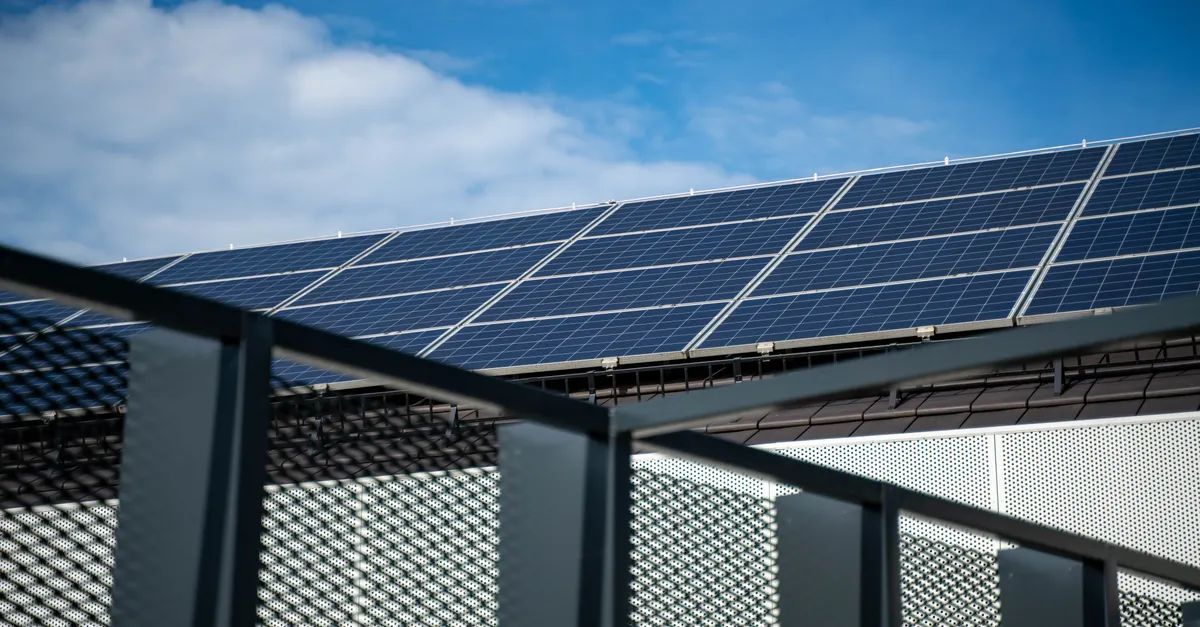
- Solar-Optimized Metal Roofing: In several modern homes and commercial buildings, standing seam metal roofs are used to reflect unwanted summer heat while accommodating photovoltaic panels. The roof’s reflective finish reduces cooling loads, and its durability ensures long-term performance.
- Metal-Clad Trombe Walls: Some passive solar projects use metal panels as part of Trombe wall systems. These walls, typically placed on the south side, combine metal’s thermal conductivity with masonry’s thermal mass to store and gradually release solar heat into the interior.
- Hybrid Structures: Innovative buildings often blend metal framing with high-mass floors or walls. For example, a structure might use steel beams for support and concrete or stone for thermal storage, creating a balance between strength and energy performance.
- Shading Devices and Louvers: Metal sunshades, awnings, or operable louvers are frequently employed to control solar gain. These elements can be precisely engineered to block high summer sun while allowing winter sunlight to penetrate deep into the building.
For additional inspiration, readers may find value in exploring sustainable metal design case studies that highlight successful projects and innovative solutions in the field.
Challenges and Considerations in Metal Integration
Despite its many advantages, incorporating metal into passive solar buildings presents some unique challenges. Understanding these issues is essential for achieving optimal results:
- Thermal Bridging: Metal is a highly conductive material, which means it can transfer heat rapidly. Without proper detailing, this can lead to unwanted heat loss in winter or heat gain in summer. Solutions include using thermal breaks, insulation, and careful joint design.
- Condensation Risk: Metal surfaces can be prone to condensation, especially in climates with high humidity or significant temperature swings. Adequate ventilation and vapor barriers are necessary to prevent moisture problems.
- Glare and Overheating: Highly reflective metal surfaces may cause glare or contribute to overheating if not properly oriented or shaded. Selecting appropriate finishes and integrating shading devices can mitigate these effects.
- Cost Considerations: While metal offers long-term savings, the initial investment can be higher than some conventional materials. Evaluating lifecycle costs and potential energy savings is important for making informed decisions.
Addressing these challenges requires collaboration between architects, engineers, and builders, as well as a thorough understanding of both passive solar principles and metal construction techniques.
Conclusion: The Future of Metal in Sustainable Solar Design
As sustainable architecture continues to evolve, the thoughtful use of metal in passive solar buildings offers significant opportunities for improving energy efficiency, durability, and environmental performance. By understanding the principles of passive solar design and leveraging the unique properties of metal, designers can create structures that are both innovative and responsible. The integration of metal not only enhances building performance but also supports broader sustainability goals, making it a key consideration for future-ready construction.
Frequently Asked Questions
What are the main principles of passive solar design?
The core principles include orienting the building for maximum solar exposure, selecting materials with high thermal mass, and strategically placing windows to optimize solar gain and minimize heat loss. These strategies work together to maintain comfortable indoor temperatures with minimal mechanical intervention.
How does metal contribute to energy efficiency in passive solar buildings?
Metal can serve as a thermal mass, reflect or absorb solar heat depending on its finish, and enable innovative structural solutions like shading devices. Its durability and recyclability also support long-term sustainability and reduced environmental impact.
What challenges should be considered when using metal in passive solar design?
Key challenges include managing thermal bridging, preventing condensation, controlling glare or overheating, and evaluating upfront costs. Proper detailing, insulation, and finish selection are essential to address these issues and ensure optimal performance.