
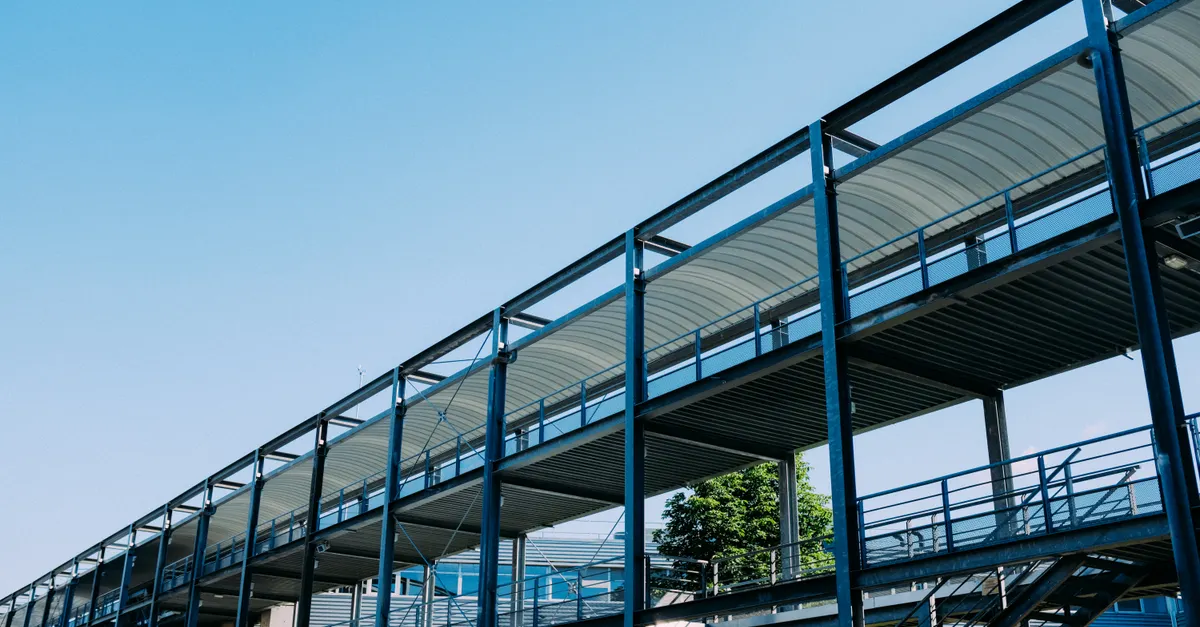
Modern sports facilities require structures that are not only functional and durable but also adaptable to a wide range of activities. Metal building systems for sports facilities have become a preferred solution for many organizations, schools, and communities seeking efficient, cost-effective, and sustainable options for their athletic spaces. These systems offer a blend of flexibility, strength, and design possibilities that traditional construction methods often struggle to match. In this article, we’ll explore the core advantages of using metal building systems in the context of sports, including their design versatility, cost benefits, durability, and environmental impact.
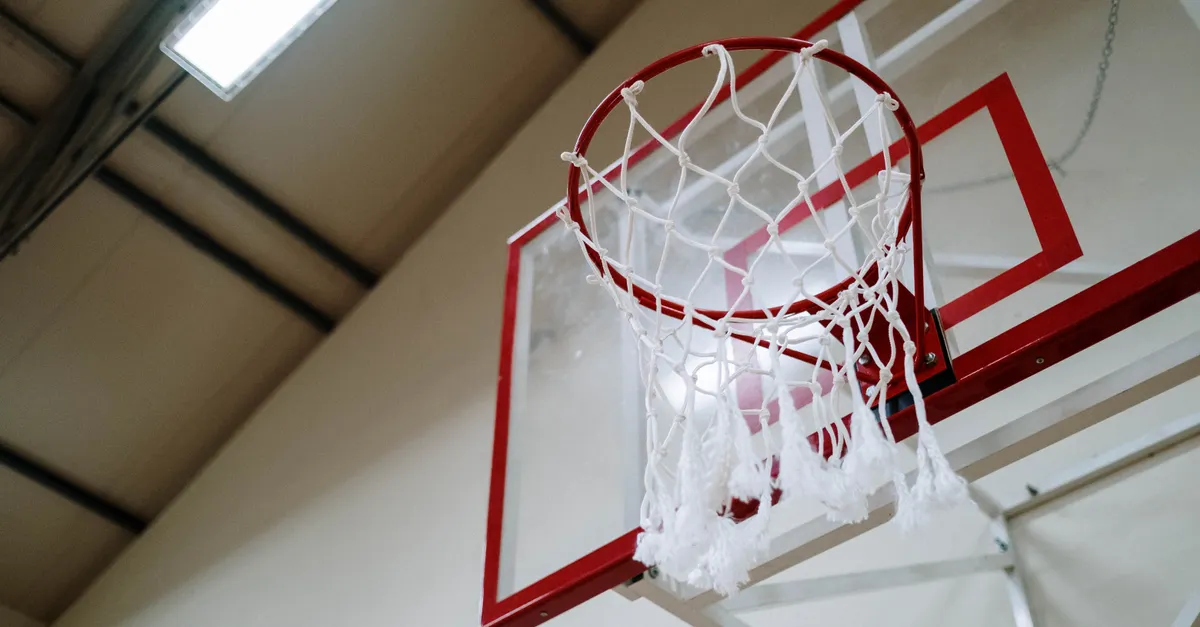
Understanding Metal Building Systems in Athletic Construction
Metal building systems are prefabricated structures made primarily from steel components, engineered to meet specific design and usage requirements. in sports, these systems are increasingly chosen for gymnasiums, indoor arenas, training centers, and multipurpose recreational buildings. Their popularity stems from their ability to provide large, open spaces without the need for interior columns, making them ideal for activities that require unobstructed floor areas.
Unlike conventional construction, which often involves masonry or wood framing, metal systems are manufactured off-site and assembled quickly at the project location. This approach reduces construction time and minimizes disruptions, allowing sports programs to move forward with fewer delays.
Key Advantages of Metal Building Systems for Sports Facilities
Choosing metal building systems for athletic spaces brings a range of benefits that go beyond basic shelter. Here are some of the most significant advantages:
Design Flexibility and Open Space
One of the standout features of metal systems is their design flexibility. The use of clear span design allows for wide, column-free interiors, which are essential for basketball courts, tennis courts, soccer fields, and other sports that require open layouts. This flexibility also makes it easier to reconfigure the space for different events or activities, from tournaments to community gatherings.
Durability and Low Maintenance
Steel structures are known for their durability and resistance to common issues such as rot, pests, and warping. This translates into lower maintenance requirements over the lifespan of the facility. Metal buildings are also engineered to withstand harsh weather conditions, making them a reliable choice for regions prone to snow, wind, or heavy rain.
Cost-Effectiveness
When compared to traditional construction, metal building systems often offer significant cost savings. Prefabrication reduces labor expenses and shortens construction timelines, while the longevity of steel means fewer repairs and replacements over time. For organizations with tight budgets, these savings can be redirected toward equipment, programming, or facility upgrades.
Customization for Different Sports
Modern metal systems can be tailored to accommodate a wide variety of sports and activities. Whether the need is for high ceilings for volleyball, specialized flooring for indoor soccer, or integrated storage for sports equipment, customization options are extensive. Features like mezzanines, locker rooms, and spectator seating can be incorporated into the design to meet the specific needs of each facility.
Speed of Construction
Prefabricated components allow for rapid assembly, which is especially valuable when there is a need to get a sports program up and running quickly. This efficiency minimizes downtime and can help organizations avoid the extended disruptions often associated with traditional building projects.
Comparing Metal Building Systems to Traditional Construction
When evaluating construction methods for sports facilities, it’s important to consider how metal systems stack up against more conventional approaches. Here’s a brief comparison:
- Speed: Metal systems are typically faster to erect due to off-site fabrication and streamlined assembly processes.
- Cost: Lower labor and material costs are common with metal buildings, especially for large-scale projects.
- Design: Clear span capabilities provide more usable interior space, while traditional methods may require interior supports.
- Maintenance: Steel structures generally require less ongoing maintenance than wood or masonry.
- Longevity: Metal buildings are less susceptible to damage from pests, moisture, and fire.
However, traditional construction may offer more options in terms of exterior finishes and architectural details, which some organizations may prefer for aesthetic reasons.
Design and Customization Options for Athletic Facilities
The adaptability of metal building systems for sports facilities is one of their greatest strengths. These systems can be designed to meet the unique requirements of different sports and user groups. Some of the most popular customization features include:
- Clear Span Interiors: Ideal for courts, fields, and tracks that require uninterrupted floor space.
- Variable Ceiling Heights: Accommodate activities like basketball or gymnastics that need extra vertical clearance.
- Integrated Amenities: Additions such as locker rooms, offices, concessions, and restrooms can be seamlessly included in the design.
- Energy-Efficient Insulation: Advanced insulation options help maintain comfortable temperatures and reduce energy costs. For more on energy efficiency, see insulated metal building systems.
- Custom Facades and Branding: Exterior panels can be finished in a variety of colors and materials to reflect team colors or community identity.
These customization options make it possible to create a facility that not only meets functional needs but also enhances the experience for athletes and spectators alike.
Cost Considerations and Long-Term Value
Budget is a critical factor in any construction project, and metal building systems offer several financial advantages. The prefabrication process reduces waste and allows for more accurate cost estimation. Because construction is faster, organizations can save on labor and get their facilities operational sooner, which can be especially important for seasonal sports programs.
In addition to upfront savings, the long-term value of metal buildings is significant. Their durability means fewer repairs and replacements, and their energy efficiency can lead to lower utility bills over time. When evaluating total cost of ownership, these factors often make metal systems a smart investment for sports organizations.
Environmental Impact and Sustainability
As sustainability becomes a greater priority in construction, the environmental benefits of metal building systems are increasingly relevant. Steel is one of the most recycled materials in the world, and many metal buildings are constructed using recycled content. At the end of their useful life, these structures can also be dismantled and the materials reused, reducing landfill waste.
Energy efficiency is another important aspect. Advanced insulation and reflective roofing options help maintain comfortable indoor temperatures, reducing the need for heating and cooling. This not only lowers operating costs but also minimizes the facility’s carbon footprint.
For organizations seeking to demonstrate environmental responsibility, metal systems offer a pathway to greener construction without sacrificing performance or aesthetics.
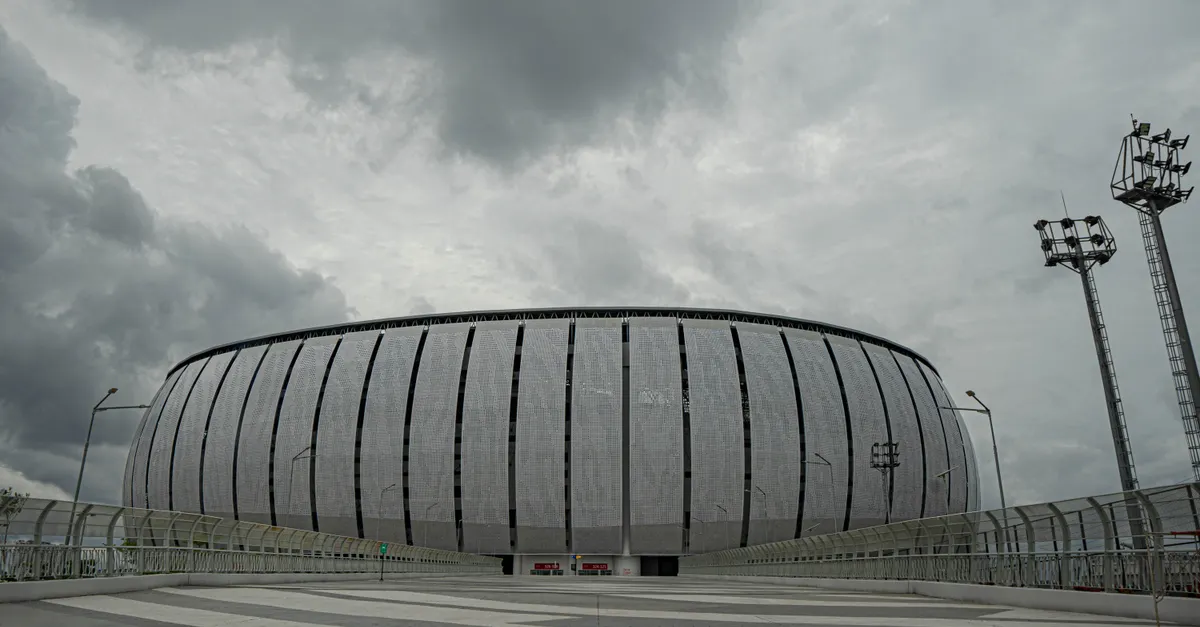
Conclusion: Why Metal Building Systems Are a Smart Choice for Sports Facilities
Metal building systems provide a compelling combination of flexibility, durability, and cost savings for sports facilities of all sizes. Their ability to deliver large, open spaces with customizable features makes them suitable for a wide range of athletic activities. The added benefits of sustainability and reduced environmental impact further enhance their appeal, especially as organizations look for ways to build responsibly and efficiently.
Whether you’re planning a new gymnasium, indoor arena, or multipurpose recreation center, considering a metal building system can help ensure your project is both practical and future-ready. For those interested in exploring similar solutions in other sectors, you may also find value in learning about metal building systems for healthcare, which share many of the same advantages in terms of flexibility and efficiency.
Frequently Asked Questions
What types of sports can be accommodated with metal building systems?
Metal building systems are highly adaptable and can be designed for a wide range of sports, including basketball, volleyball, tennis, indoor soccer, gymnastics, and even swimming. The clear span design allows for open, unobstructed spaces suitable for both team and individual sports.
Are metal building systems more cost-effective than traditional construction?
Generally, yes. The prefabricated nature of metal systems reduces labor and material costs, and the speed of assembly means projects can be completed faster. Over time, the durability and low maintenance requirements of steel structures also contribute to lower total ownership costs.
How sustainable are metal building systems for sports facilities?
Metal building systems are considered environmentally friendly due to their use of recycled steel and their recyclability at the end of their lifespan. Energy-efficient insulation and roofing options further reduce the environmental impact by lowering energy consumption during operation.