
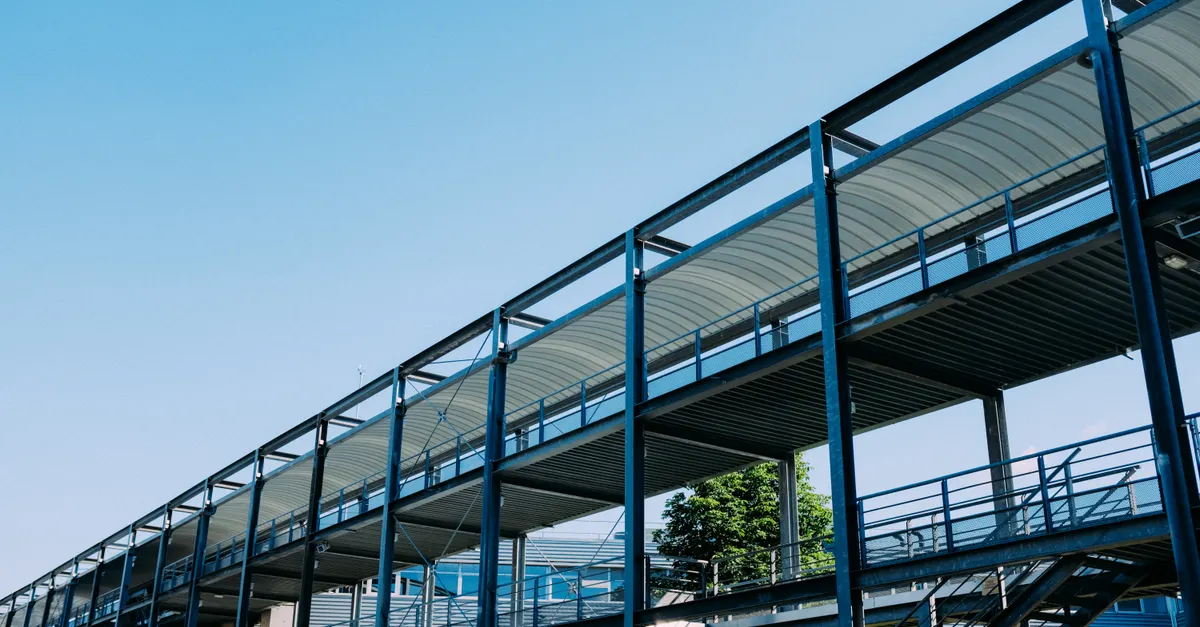
Metal building systems have become a popular solution for those seeking to create adaptable, functional, and visually impressive event venues. Their structural versatility and efficiency make them an appealing choice for everything from wedding halls and conference centers to luxury banquet spaces. In this guide, we’ll explore how metal building systems for event spaces can be transformed into high-end venues, the benefits they offer, key design considerations, and the challenges to keep in mind during the planning process.
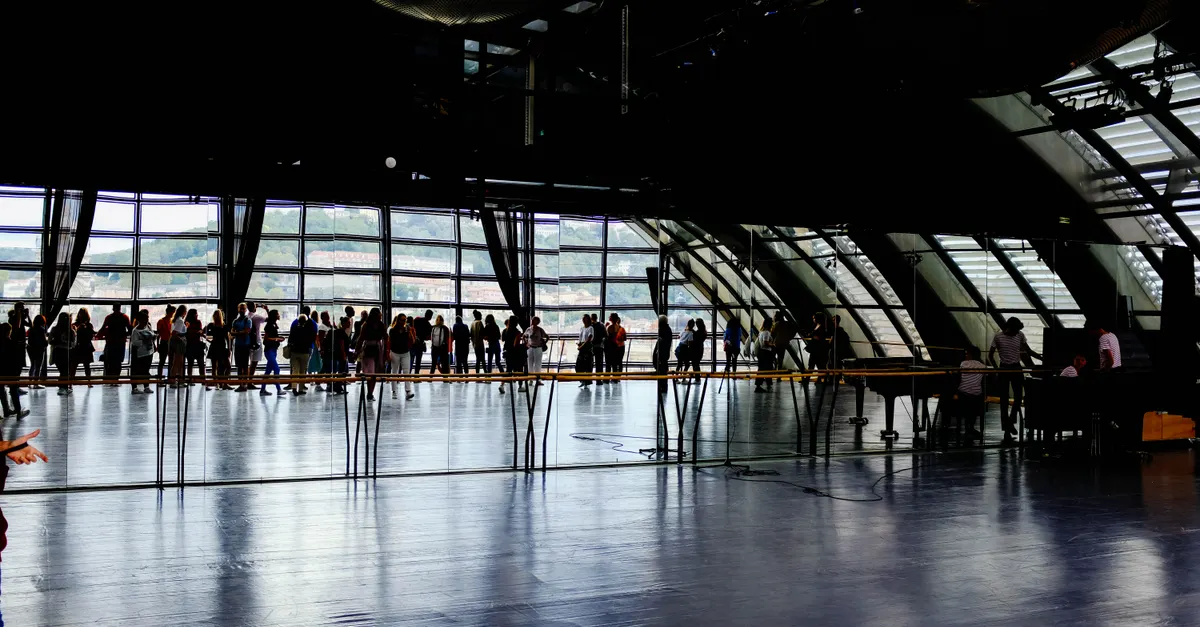
Understanding Metal Building Systems in the Event Industry
At their core, metal building systems are prefabricated structures made primarily from steel components. These systems are engineered for quick assembly and can be customized to suit a wide range of uses. For event venues, this means the ability to create large, open interiors without the need for obstructive columns, as well as the flexibility to adapt the space for different functions. Whether the goal is to host corporate events, concerts, or elegant weddings, these structures provide a blank canvas for creative design.
The suitability of metal buildings for event spaces lies in their combination of strength, scalability, and adaptability. Unlike traditional construction, which can be time-consuming and rigid, metal systems allow for rapid deployment and future expansion. This makes them especially attractive for event planners and property owners who need to respond quickly to changing market demands or seasonal trends.
Key Benefits of Metal Building Systems for Event Spaces
Choosing a metal building system for an event venue brings several notable advantages. According to established editorial sources, steel buildings are not only versatile but also quick to construct, which is a significant benefit for projects with tight timelines or budget constraints.
- Versatility: The open-span design of metal buildings allows for flexible floor layouts, accommodating everything from large gatherings to intimate ceremonies.
- Speed of Construction: Prefabricated components mean that assembly is much faster compared to traditional methods, reducing labor costs and allowing venues to open sooner.
- Durability: Steel structures are resistant to pests, fire, and weather, ensuring long-term reliability and lower maintenance needs.
- Cost-Effectiveness: Lower material and labor costs, combined with energy-efficient options, make metal buildings a budget-friendly choice for many event operators.
- Design Flexibility: Modern metal systems can be finished with a variety of architectural enhancements, from glass facades to decorative interiors, supporting both functional and aesthetic goals.
These benefits make metal systems a strong contender for anyone looking to develop a new event space or upgrade an existing one.
Designing and Customizing Metal Event Spaces
Transforming a basic steel structure into a luxury event venue requires thoughtful assessment and detailed planning. The process begins with evaluating the intended use of the space—will it host weddings, corporate functions, concerts, or a mix of events? This assessment informs every subsequent design decision.
Customization is one of the strongest assets of metal building systems for event spaces. Here are some of the most impactful ways to tailor these structures:
- Architectural Enhancements: Adding features such as curtain walls, skylights, or expansive windows can elevate the look and feel of the venue. High-end finishes, custom lighting, and unique ceiling treatments can further distinguish the space.
- Flexible Interiors: Movable partitions, modular stages, and adaptable seating arrangements allow the venue to serve multiple event types without major renovations.
- Acoustic Treatments: For venues hosting music or speaking events, incorporating sound-absorbing panels and specialized insulation is essential for guest comfort.
- Luxury Amenities: Incorporating premium restrooms, bridal suites, catering kitchens, and VIP lounges can transform a utilitarian structure into a high-end destination.
- Exterior Appeal: Landscaping, covered entryways, and decorative facades can create a welcoming first impression and set the tone for the event experience.
The transformation process is best approached in phases: start with a clear vision, consult with architects experienced in metal systems, and work closely with interior designers to ensure every detail aligns with the venue’s intended market. As highlighted in editorial coverage, a thorough assessment and planning phase is crucial for achieving a luxury result.
For those interested in the broader applications of these structures, exploring how metal building systems for tiny homes are customized can provide additional inspiration for flexible layouts and creative use of space.
Cost Considerations for Building with Metal Systems
Budgeting for a metal event venue involves several distinct factors. While the initial material costs for steel can be higher than wood, the savings in labor, construction time, and long-term maintenance often offset this difference. Key cost considerations include:
- Material Costs: Steel prices can fluctuate, but prefabrication reduces waste and ensures efficient use of resources.
- Labor and Construction: Faster assembly translates to lower labor costs and less time spent on-site, minimizing disruption and overhead.
- Customization Expenses: High-end finishes, specialty lighting, and architectural upgrades will add to the overall budget, but these investments can significantly increase the venue’s appeal and rental rates.
- Operational Savings: Energy-efficient insulation, LED lighting, and modern HVAC systems can reduce ongoing utility expenses, making the venue more sustainable and cost-effective over time.
When compared to traditional construction, metal systems often deliver a better return on investment due to their speed, durability, and adaptability. However, it’s important to allocate funds for both the initial build and future upgrades, especially if the venue will evolve to meet changing event trends.
Challenges and Limitations of Metal Building Systems
While the advantages are significant, there are also challenges to consider when using metal building systems for event spaces. Understanding these limitations is key to successful planning and execution.
- Thermal Performance: Without proper insulation, metal buildings can be prone to temperature fluctuations. Investing in high-quality insulation and climate control systems is essential for guest comfort.
- Acoustic Issues: Metal surfaces can reflect sound, potentially leading to echo or noise problems. Acoustic treatments must be incorporated during the design phase.
- Permitting and Zoning: Some municipalities may have specific requirements or restrictions for non-traditional structures, so early consultation with local authorities is recommended.
- Aesthetic Perceptions: There can be a perception that metal buildings are industrial or utilitarian. Overcoming this requires thoughtful design, architectural enhancements, and attention to detail.
- Moisture Control: Proper vapor barriers and drainage systems are necessary to prevent condensation and maintain a healthy indoor environment.
By addressing these challenges early in the planning process, owners can ensure that their event venue is both functional and inviting.
Transforming a Basic Metal Structure into a Luxury Event Venue
The journey from a standard steel building to a luxury event space involves more than just surface upgrades. Here’s a step-by-step approach to guide the transformation:
- Initial Assessment: Evaluate the site, intended uses, and local regulations. Identify any structural modifications needed to support luxury features.
- Concept Development: Work with architects and designers to create a vision that balances function and aesthetics. Consider themes, color palettes, and signature design elements.
- Structural Enhancements: Add architectural details such as mezzanines, grand entryways, or custom facades to elevate the building’s profile.
- Interior Design: Select high-end finishes, furnishings, and lighting to create a memorable atmosphere. Incorporate flexible layouts to accommodate different event types.
- Technology Integration: Install advanced audio-visual systems, smart lighting, and climate controls to meet the expectations of modern event planners and guests.
- Final Touches: Landscape the exterior, add signage, and ensure all amenities are guest-ready before opening the venue to the public.
This process, grounded in thorough assessment and planning, ensures that the final result is not only visually stunning but also highly functional and marketable.
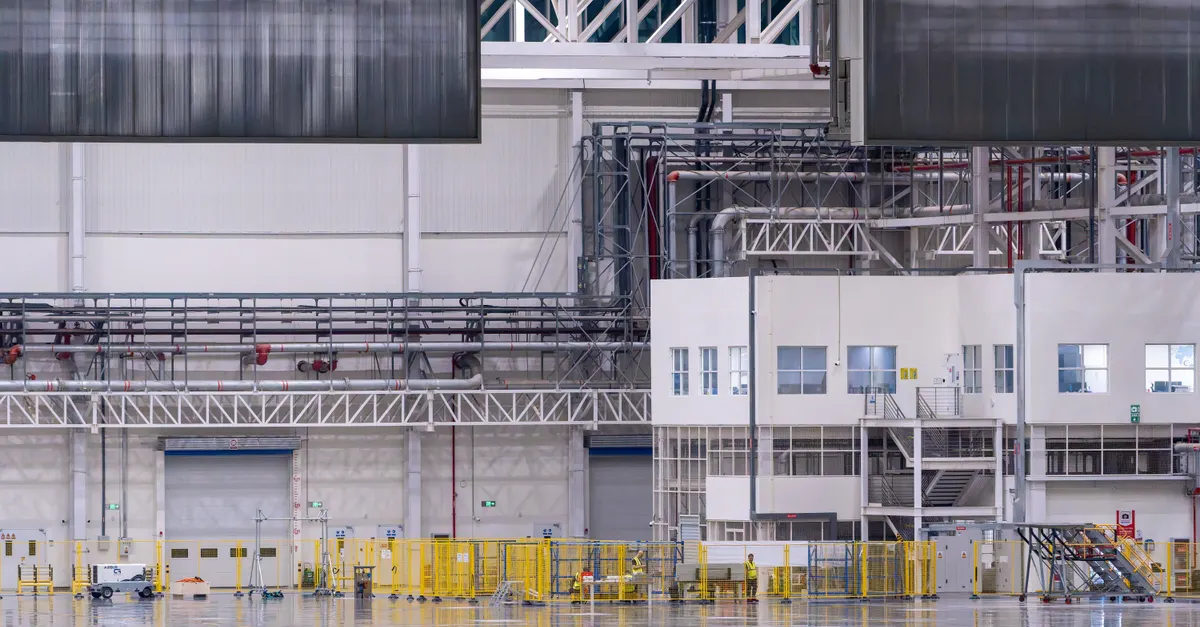
Conclusion: The Potential of Metal Building Systems in Event Design
For those seeking to create adaptable, durable, and attractive event venues, metal building systems offer a compelling solution. Their speed of construction, flexibility in design, and potential for luxury transformation set them apart from traditional building methods. By carefully considering design elements, budgeting for both essentials and enhancements, and proactively addressing challenges, event planners and property owners can realize spaces that are both practical and memorable.
As the demand for unique and versatile event venues continues to grow, metal systems are poised to play an increasingly important role in the industry. With the right planning and creative vision, these structures can become the foundation for some of the most sought-after event destinations.
Frequently Asked Questions
What are the main benefits of using metal building systems for event venues?
The primary advantages include rapid construction, cost-effectiveness, design flexibility, and long-term durability. Metal systems allow for large, open interiors and can be customized to meet a wide range of event needs.
How can a metal event space be customized for different types of gatherings?
Customization options range from movable partitions and modular stages to luxury finishes and advanced lighting. The open-span design supports flexible layouts, making it easy to adapt the venue for weddings, conferences, concerts, and more.
Are there any challenges to transforming a metal building into a luxury event space?
Yes, challenges include managing acoustics, ensuring proper insulation, addressing aesthetic concerns, and meeting local permitting requirements. With careful planning and the right design team, these challenges can be successfully overcome.