
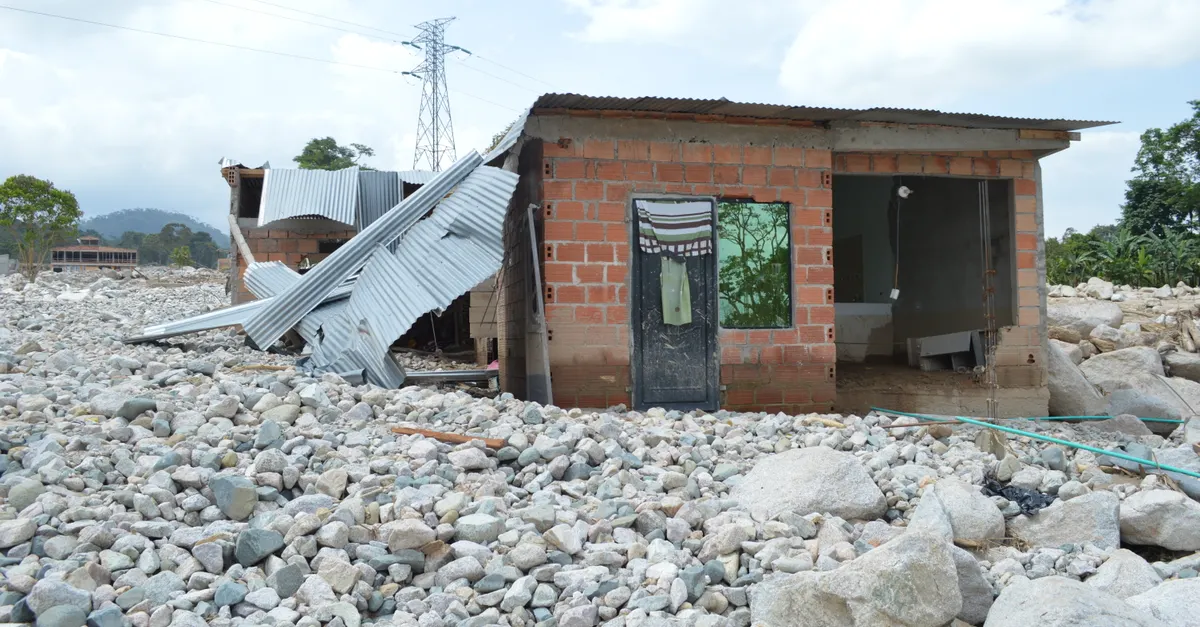
Disasters—whether hurricanes, earthquakes, floods, or wildfires—can devastate communities and disrupt essential services. As recovery efforts begin, the speed and resilience of rebuilding are critical to restoring normalcy. Metal building systems for disaster recovery have emerged as a practical solution, offering durability, rapid deployment, and adaptability. This article explores how these systems support disaster resilience, the design standards that guide their use, and strategies for integrating them into recovery plans, all while focusing on the importance of functional recovery for affected communities.
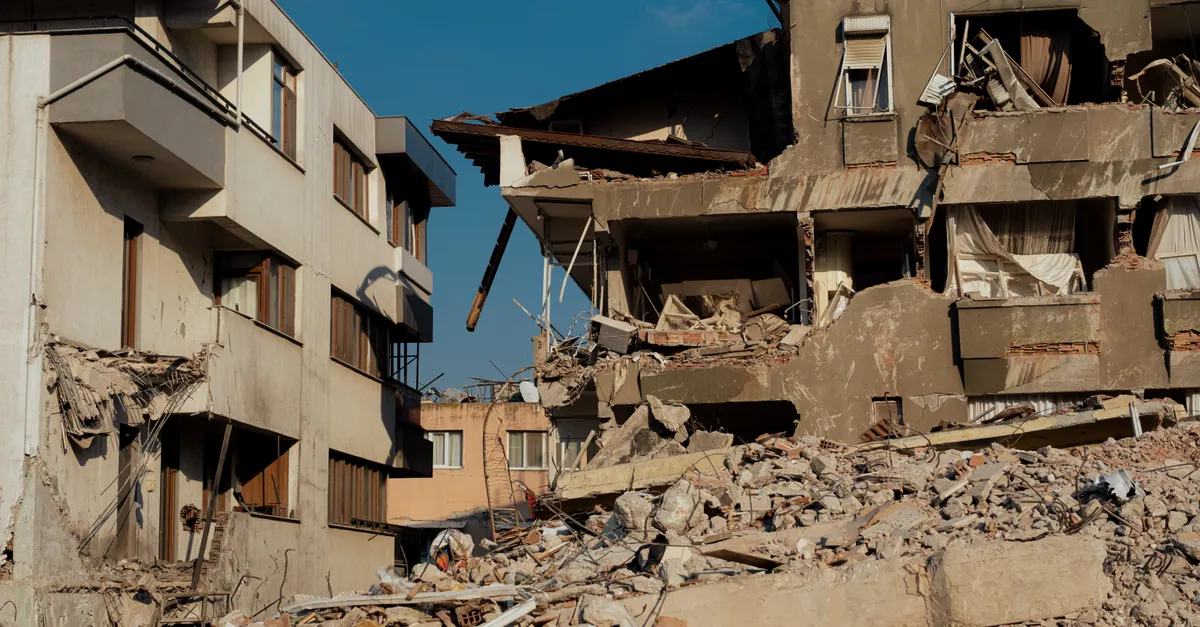
Resilience Features of Metal Building Systems
One of the main reasons metal building systems are favored in disaster recovery is their inherent resilience. These structures are engineered to withstand a range of natural hazards, including high winds, seismic activity, and heavy snow loads. The use of steel and other robust metals provides a high strength-to-weight ratio, which contributes to their ability to endure extreme conditions without significant structural damage.
Unlike traditional wood-framed buildings, metal systems are less susceptible to rot, mold, and pest infestation—common issues that can arise after flooding or prolonged exposure to moisture. Their non-combustible nature also makes them a safer choice in areas prone to wildfires. The modular design of many metal building systems allows for quick assembly and disassembly, which is especially valuable when rapid shelter or infrastructure is needed after a disaster.
Pros:
- High resistance to wind, fire, and seismic events
- Quick to assemble and deploy
- Low maintenance requirements
- Adaptable to various uses (shelters, clinics, storage, etc.)
Cons:
- Initial cost can be higher than some traditional materials
- Requires skilled labor for proper assembly
- Thermal conductivity may require additional insulation in extreme climates
Design Standards for Disaster-Prone Environments
To maximize the resilience of metal buildings in disaster-prone areas, adherence to appropriate design standards is essential. Building codes are evolving to incorporate performance objectives that go beyond basic life safety, aiming to limit damage and ensure continuity of function. According to insights from NIST and other regulatory bodies, integrating redundancy and robust detailing into the design can significantly enhance a building’s ability to withstand and recover from disasters.
Key considerations include:
- Site Selection: Avoiding floodplains, unstable soils, or areas with high wildfire risk when possible.
- Structural Reinforcement: Using bracing systems, anchor bolts, and reinforced connections to resist lateral forces from wind or earthquakes.
- Envelope Protection: Specifying impact-resistant panels, secure roofing systems, and proper flashing to prevent water intrusion.
- Accessibility and Egress: Ensuring clear, accessible routes for evacuation and emergency response.
Designing for resilience also means planning for future hazards. For example, specifying corrosion-resistant coatings can extend the lifespan of metal components in coastal or humid environments. Proper insulation and ventilation help maintain interior comfort and prevent condensation-related issues.
Integrating Metal Building Systems into Recovery Plans
A key gap in existing resources is the lack of detailed strategies for integrating metal building systems into disaster recovery plans. Effective integration begins with pre-disaster planning, where communities and organizations identify critical infrastructure needs—such as emergency shelters, healthcare facilities, and storage for relief supplies—that can be met with modular metal structures.
During the response phase, the rapid deployment capabilities of metal building systems become invaluable. Prefabricated components can be transported and assembled quickly, providing immediate shelter or operational space. Coordination with local authorities and relief agencies ensures that these systems are sited and configured to meet urgent needs.
In the longer-term recovery phase, metal buildings can transition from temporary to permanent use. Their adaptability allows for repurposing as schools, clinics, or community centers, supporting ongoing recovery and resilience. For example, integrating metal building systems for healthcare into disaster recovery plans can ensure that medical services are restored swiftly and can operate safely even in challenging conditions.
Best practices for integration include:
- Establishing partnerships with suppliers and contractors before disasters strike
- Maintaining an inventory of prefabricated components and emergency shelter kits
- Training local teams in safe assembly and maintenance procedures
- Coordinating with emergency management agencies for logistics and site selection
Supporting Functional Recovery with Metal Structures
Functional recovery is a concept that emphasizes not just the survival of a building, but its ability to quickly return to service after a disaster. According to the National Institute of Standards and Technology (NIST), functional recovery performance aims to minimize downtime for critical infrastructure, such as hospitals, emergency shelters, and supply depots.
Metal building systems are well-suited to this goal. Their modular nature allows for rapid repairs or expansion as needs evolve. If a section is damaged, it can often be replaced without dismantling the entire structure. This flexibility supports the restoration of essential services, helping communities regain stability more quickly.
For example, after an earthquake, a metal-framed clinic can be inspected and, if necessary, repaired with minimal disruption, allowing medical services to resume promptly. The ability to adapt layouts and uses also means that metal buildings can support changing recovery priorities, such as converting a storage facility into a temporary school or vaccination center.
Incorporating functional recovery objectives into the design and planning of metal building systems ensures that they contribute not just to immediate shelter, but to the long-term resilience and recovery of affected areas.
Comparing Metal Building Systems to Other Materials in Disaster Recovery
When evaluating construction options for disaster recovery, it’s important to compare metal building systems with alternatives like wood, masonry, or concrete. Each material has its strengths and limitations, but metal systems offer several advantages in the context of rapid recovery and resilience.
Advantages of metal systems:
- Faster assembly and deployment compared to masonry or concrete
- Lower risk of fire and pest damage than wood
- Consistent quality due to factory fabrication
- Ease of transport and storage for prefabricated elements
Potential drawbacks:
- May require additional insulation for thermal comfort
- Higher upfront material costs in some regions
- Limited aesthetic options compared to traditional materials
Ultimately, the choice of material should be guided by the specific needs of the recovery effort, local climate, available resources, and long-term community goals.
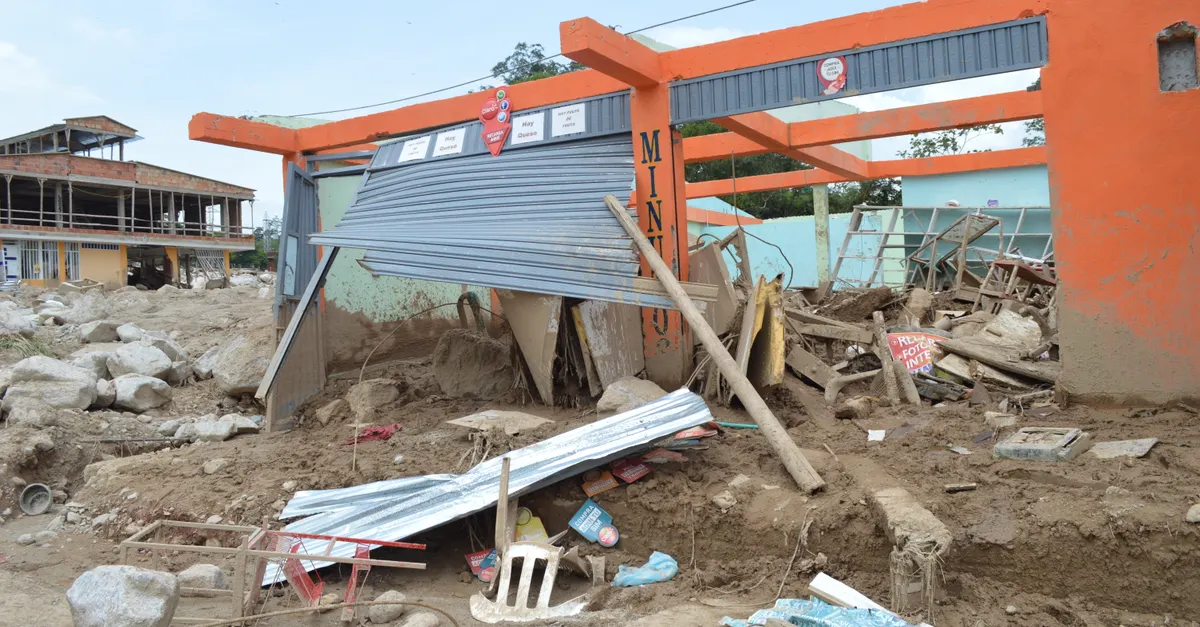
Conclusion: Looking Ahead for Resilient Recovery
Metal building systems have proven to be a valuable asset in disaster recovery, offering a combination of resilience, speed, and adaptability that is difficult to match with traditional materials. By aligning design standards with performance objectives and integrating these systems into comprehensive recovery plans, communities can enhance their ability to withstand and recover from future disasters.
As building codes continue to evolve and the importance of functional recovery becomes more widely recognized, the role of metal building systems is likely to grow. Their versatility makes them suitable for a wide range of applications, from emergency shelters to permanent community infrastructure. With thoughtful planning and strategic integration, these systems can help ensure that recovery is not just about rebuilding, but about building back stronger and more resilient than before.
Frequently Asked Questions
How do metal building systems improve disaster resilience?
Metal building systems are engineered to resist wind, seismic forces, and fire, making them more durable during disasters. Their modular construction allows for quick repairs and adaptation, supporting both immediate shelter and long-term recovery.
What design features enhance the performance of metal buildings in disasters?
Key features include reinforced connections, impact-resistant panels, corrosion protection, and adherence to updated building codes that focus on performance and redundancy. Proper site selection and envelope protection are also crucial for maximizing resilience.
How do metal building systems compare to traditional materials in recovery scenarios?
Compared to wood or masonry, metal systems offer faster assembly, lower maintenance, and improved resistance to fire and pests. While initial costs can be higher, their durability and adaptability often result in lower long-term expenses and quicker restoration of essential services.