
Fire safety is a critical consideration in the design and construction of modern structures, especially when it comes to metal building systems. These systems are valued for their durability, efficiency, and versatility, but understanding their fire resistance is essential for both safety and regulatory compliance. This article explores how fire resistance is measured in metal buildings, the materials and design practices that enhance protection, and the key codes and resources that guide safe construction.
What Fire Resistance Means for Metal Building Systems
The concept of fire resistance in metal buildings refers to how well a structure can withstand fire exposure, limiting the spread of flames and maintaining its structural integrity for a specified period. This is not just about preventing ignition—it’s about ensuring that, in the event of a fire, the building can provide occupants with enough time to evacuate safely and protect adjacent properties. Fire-resistant metal buildings are especially important in commercial, industrial, and public-use settings, where safety standards are stringent and the consequences of failure can be severe.
Some of the general benefits of fire-resistant metal structures include:
- Improved safety for occupants and emergency responders
- Reduced risk of property loss and business interruption
- Potentially lower insurance premiums
- Compliance with local and national building codes
Fire Resistance Ratings and How They Are Determined
A key aspect of metal building systems fire resistance is the use of standardized ratings to measure performance. These ratings indicate how long a building component—such as a wall, floor, or roof—can resist fire before failing. The most common ratings are one-hour and two-hour fire resistance, which are determined through rigorous testing.
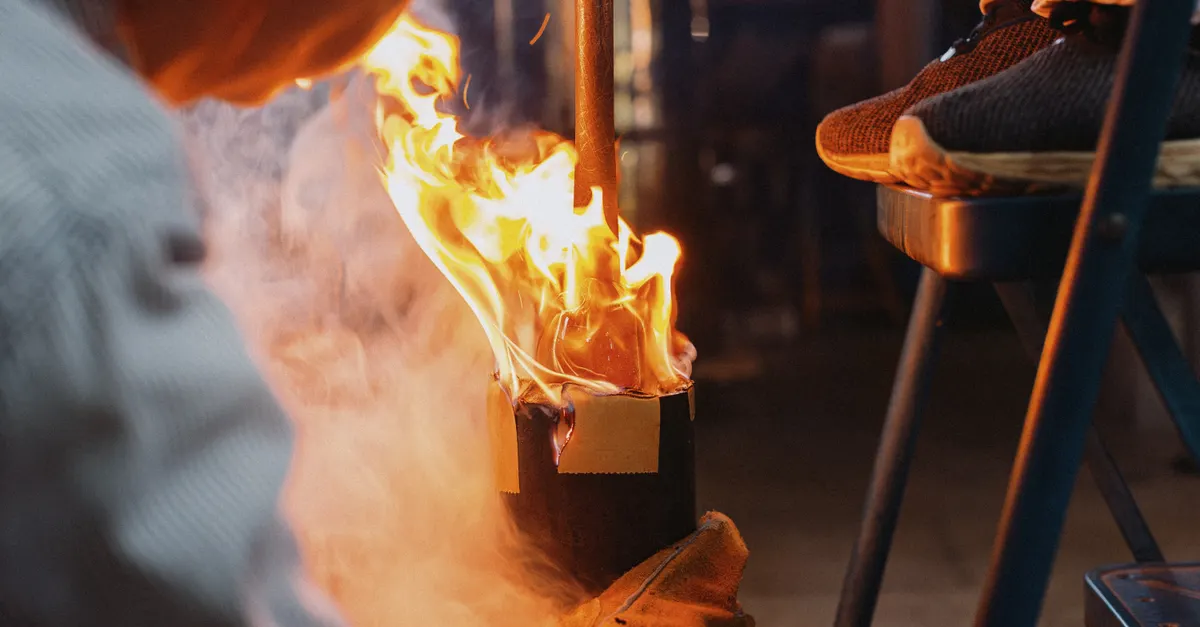
According to the Metal Building Manufacturers Association (MBMA), metal buildings can comply with both one- and two-hour fire-rating requirements. This compliance is demonstrated by tests conducted at recognized organizations such as Underwriters Laboratory (UL), Intertek, and FM Global. In these tests, assemblies are exposed to controlled fire conditions, and their ability to maintain structural function and limit temperature rise is measured.
A UL Rated Assembly is a construction system that has been tested and certified to meet specific fire resistance criteria. For example, a wall assembly might be rated to withstand fire for one hour, meaning it will not fail structurally or allow the fire to penetrate to the other side within that time frame. These ratings are essential for code compliance and insurance purposes, and they provide a benchmark for comparing different construction methods.
Materials and Design Practices That Enhance Fire Resistance
The choice of materials and thoughtful design are central to improving fire resistance in metal buildings. While steel itself is non-combustible, it can lose strength at high temperatures, so additional protective measures are often required.
The Role of Gypsum Board
One of the most effective materials for enhancing fire resistance is gypsum board. This material, commonly used as drywall, contains chemically bound water. When exposed to fire, the water is released as steam, which helps to cool the assembly and slow the transfer of heat. Gypsum board is often installed as a protective layer over steel framing or as part of a composite wall or ceiling system.
The thickness and number of gypsum board layers can be adjusted to achieve higher fire ratings. For example, a single layer may provide a one-hour rating, while multiple layers can extend this protection to two hours or more. The use of gypsum board is a recognized method for meeting fire resistance requirements in both walls and ceilings of metal buildings.
Other Fire-Resistant Materials
In addition to gypsum board, other materials contribute to fire resistance:
- Mineral wool insulation: Offers excellent fire resistance and is often used within wall and roof assemblies.
- Intumescent coatings: These special paints expand when exposed to heat, forming a protective char layer over steel components.
- Concrete and masonry: Sometimes used in combination with metal framing for areas requiring higher fire ratings.
Design Practices
Effective design also plays a vital role. Strategies include compartmentalizing spaces to limit fire spread, ensuring proper sealing of joints and penetrations, and integrating fire barriers at key locations. The selection of fire-rated doors, windows, and other components further enhances the overall fire performance of the building.
For those interested in holistic approaches to building longevity, integrating fire resistance with other considerations—such as metal building systems maintenance tips—can provide a more resilient and sustainable structure.
Building Codes and Compliance for Fire Resistance
Compliance with building codes is non-negotiable when it comes to fire safety. The International Building Code (IBC) sets forth requirements for fire resistance in all types of construction, including metal buildings. These codes specify minimum fire resistance ratings for different building elements based on occupancy type, building height, and proximity to property lines.
To achieve compliance, designers and builders must select assemblies that have been tested and certified to meet the relevant fire resistance criteria. The MBMA Fire Resistance Design Guide for Metal Building Systems, Second Edition, is a valuable resource that provides updated information on fire protection practices and code compliance. This guide outlines approved assemblies, materials, and construction details that help ensure buildings meet the necessary standards.
Navigating building codes can be complex, but working with experienced professionals and referencing authoritative guides can simplify the process. It is important to document all fire resistance features and maintain clear records for inspections and future reference.
Where to Find More Information and Guidance
For those seeking deeper knowledge or needing to address specific project requirements, several resources are available:
- MBMA Fire Resistance Design Guide for Metal Building Systems: This comprehensive publication details fire protection strategies, tested assemblies, and compliance pathways for metal buildings.
- International Building Code (IBC): The IBC is the primary code governing fire resistance in the United States and is updated regularly to reflect new research and best practices.
- UL and Intertek Directories: These organizations maintain searchable databases of tested and certified fire-resistant assemblies.
Industry associations, such as the MBMA, also offer technical bulletins, webinars, and case studies to help professionals stay informed about evolving fire protection standards and solutions.
Conclusion
Understanding fire resistance in metal building systems is essential for ensuring safety, meeting regulatory requirements, and protecting investments. By choosing the right materials—such as gypsum board and mineral wool—and following proven design practices, builders can significantly enhance the fire performance of their structures. Staying informed about building codes and utilizing trusted resources like the MBMA Fire Resistance Design Guide will help ensure that every project meets the highest standards of fire safety.
Frequently Asked Questions
What are the typical fire resistance ratings for metal building systems?
Most metal buildings are designed to meet one-hour or two-hour fire resistance ratings, as verified by standardized tests from organizations like UL and Intertek. These ratings indicate how long a building component can withstand fire exposure before failing.
How does gypsum board improve fire resistance in metal buildings?
Gypsum board contains water within its structure, which is released as steam when exposed to heat. This process helps cool the assembly and slow the spread of fire, making it a key material for achieving higher fire resistance ratings in walls and ceilings.
Which building codes govern fire resistance in metal buildings?
The International Building Code (IBC) is the primary standard for fire resistance in metal buildings in the United States. It specifies required fire ratings based on building use, size, and location. Additional guidance is available from resources like the MBMA Fire Resistance Design Guide.