
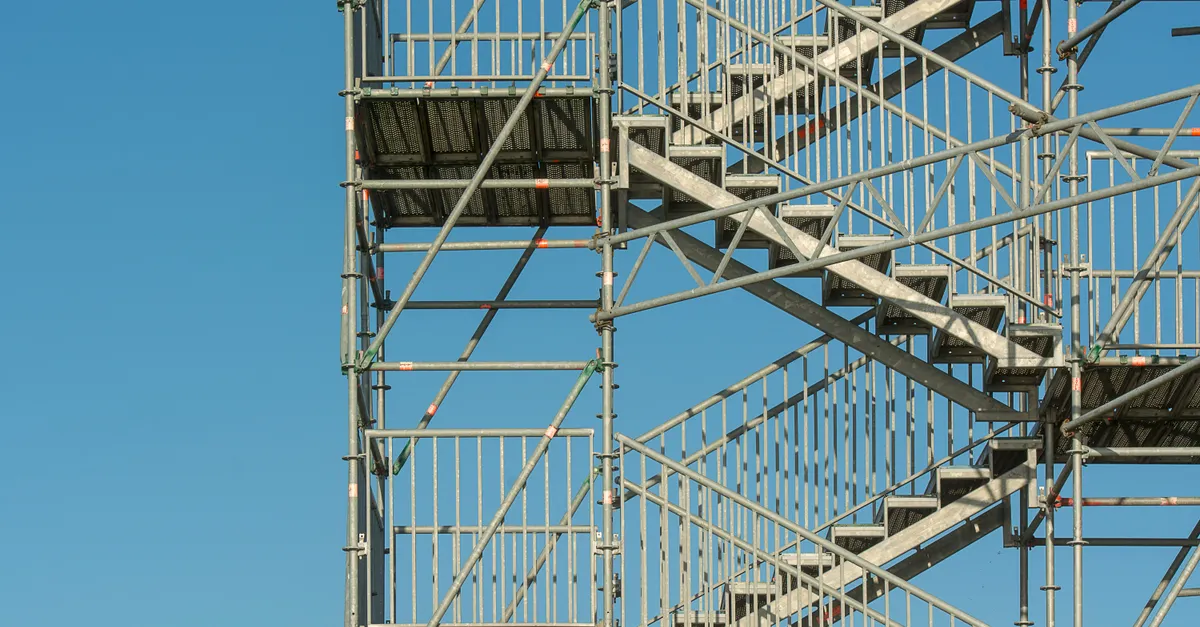
Temporary structures play a vital role in construction, events, disaster relief, and many other industries. Their success often depends on the materials chosen for their framework and coverings. Lightweight metals for temporary structures have become increasingly popular due to their unique combination of strength, portability, and versatility. This guide explores the most suitable lightweight metals, their properties, and the key factors to consider when selecting the right material for your project. It also emphasizes the importance of professional engineering input to ensure safety and compliance.
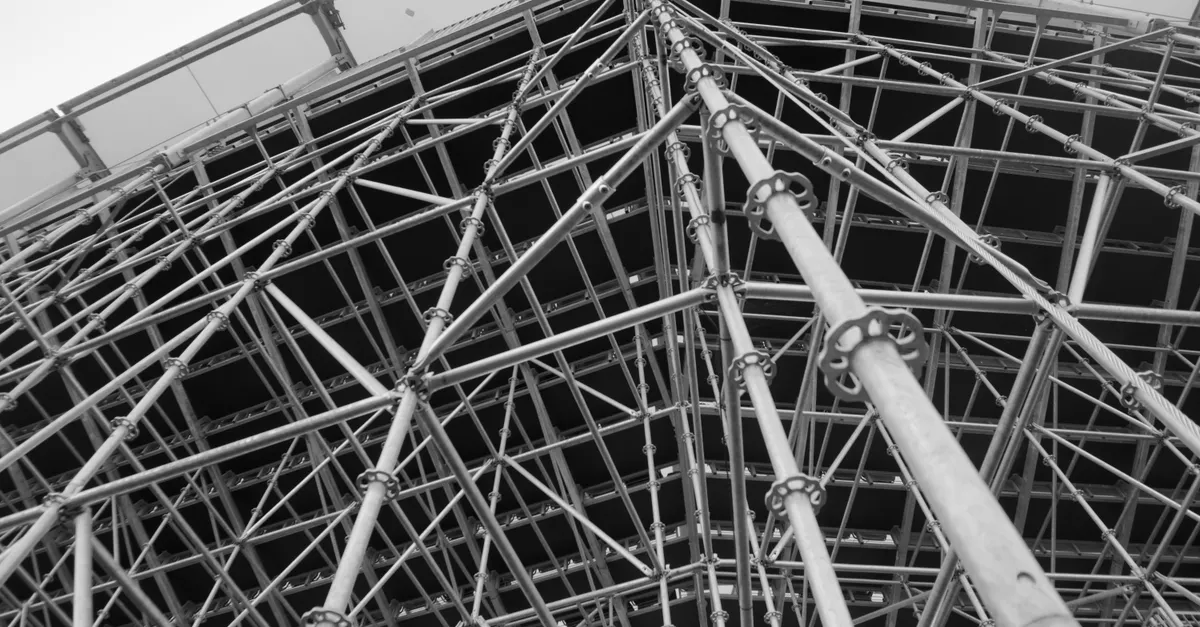
Understanding Lightweight Metals in Temporary Construction
Lightweight metals are metallic materials characterized by a low density and high strength-to-weight ratio. These properties make them especially attractive for structures that need to be assembled, disassembled, or moved frequently. Temporary structures, such as event tents, exhibition halls, emergency shelters, and modular site offices, benefit from metals that are easy to transport and install without sacrificing durability.
The main reasons for considering lightweight metals in these applications include:
- Reduced overall weight for easier handling and transportation
- Faster assembly and disassembly compared to traditional materials
- Potential for reuse and recycling after the structure’s purpose is fulfilled
- Lower environmental impact when properly sourced and recycled
While the benefits are clear, it’s essential to understand the specific properties of each metal to ensure the structure meets safety and performance requirements. Consulting a qualified engineer is always recommended before finalizing material choices or construction plans.
Types of Lightweight Metals and Their Key Properties
Several metals stand out for their suitability in temporary structures. The most commonly used are aluminum, titanium, and magnesium. Each offers a unique balance of weight, strength, cost, and manufacturability.
- Aluminum: Widely used due to its excellent strength-to-weight ratio, corrosion resistance, and affordability. It is easy to fabricate and can be extruded into various profiles, making it ideal for modular frameworks and tent poles.
- Titanium: Known for its exceptional strength and corrosion resistance, titanium is much lighter than steel but offers comparable durability. However, its higher cost and more complex fabrication processes often limit its use to specialized applications where weight savings are critical.
- Magnesium: The lightest of the structural metals, magnesium is valued for its very low density. It is used in applications where minimizing weight is paramount, though it is less common due to its lower corrosion resistance and flammability concerns.
Other metals, such as certain grades of steel, can also be considered lightweight when engineered into thin-walled or hollow sections. However, for most temporary structures, aluminum remains the most practical and widely available choice.
Comparing Lightweight Metals for Temporary Structures
When selecting a metal for a temporary structure, two of the most important factors are the strength-to-weight ratio and cost. These determine how much load the structure can bear relative to its own weight, as well as its economic feasibility.
Strength-to-Weight Ratio
According to industry sources, lightweight metals like aluminum and titanium are favored in aerospace, automotive, and construction because they provide high strength without excessive bulk. For example, aluminum alloys commonly used in construction offer a strength-to-weight ratio that is superior to many traditional building materials. Titanium, while even stronger, is typically reserved for situations where maximum performance justifies the expense.
Cost Considerations
Cost is a significant factor in the choice of material. Aluminum is generally the most cost-effective lightweight metal for temporary structures, balancing affordability with performance. Titanium, while offering superior properties, is much more expensive and is usually only chosen for high-value or highly specialized projects. Magnesium, though lightweight, can also be costly due to its processing requirements and is less commonly used in temporary construction.
Pros and Cons of Common Lightweight Metals
Aluminum
- Pros:
- Excellent strength-to-weight ratio
- Highly corrosion resistant
- Easy to fabricate and assemble
- Widely available and affordable
- Cons:
- Lower strength compared to steel or titanium
- Can deform under heavy loads if not properly engineered
Titanium
- Pros:
- Very high strength and corrosion resistance
- Lightweight compared to steel
- Long lifespan in harsh environments
- Cons:
- High cost
- More difficult to machine and fabricate
Magnesium
- Pros:
- Lowest density of structural metals
- Good strength-to-weight ratio
- Cons:
- Prone to corrosion
- Flammability concerns in certain forms
- Less commonly available for construction
For a broader perspective on how these materials are used in different environments, you may find the discussion on lightweight metals for outdoor structures helpful, especially when considering exposure to weather and environmental factors.
Environmental Impact and Sustainability
Sustainability is an increasingly important consideration in construction. Lightweight metals offer several environmental benefits, particularly when used in temporary structures.
- Recyclability: Metals like aluminum and steel are highly recyclable, allowing materials to be reused in new projects and reducing the need for virgin resources.
- Reduced transportation emissions: The lower weight of these metals means less fuel is required to transport them to and from construction sites.
- Less on-site waste: Pre-engineered metal systems can be manufactured to precise specifications, minimizing offcuts and excess material.
By choosing metals that can be recycled and reused, temporary structures can have a much smaller environmental footprint compared to those built with traditional materials. This is particularly valuable for projects seeking to meet sustainability goals or green building certifications.
Safety and Best Practices for Lightweight Metal Structures
While lightweight metals offer many advantages, their use in temporary structures requires careful planning and adherence to safety standards. The structural integrity of any temporary building depends on proper design, material selection, and assembly.
Safety Considerations
- Professional Engineering: Always consult a qualified structural engineer to assess load requirements, wind resistance, and anchoring systems. Improperly designed structures can fail, posing serious safety risks.
- Fire Resistance: While metals like aluminum and steel do not burn, they can lose strength at high temperatures. Ensure that fire safety measures are in place, especially for structures used in public spaces.
- Corrosion Protection: Use appropriate coatings or alloys to prevent corrosion, particularly in outdoor or humid environments.
Best Practices
- Use aluminum tent poles or modular framing systems for ease of assembly and disassembly.
- Opt for pre-engineered components to ensure consistent quality and reduce on-site labor.
- Follow manufacturer guidelines for assembly, and inspect all components before use.
- Store materials properly to prevent damage or corrosion between uses.
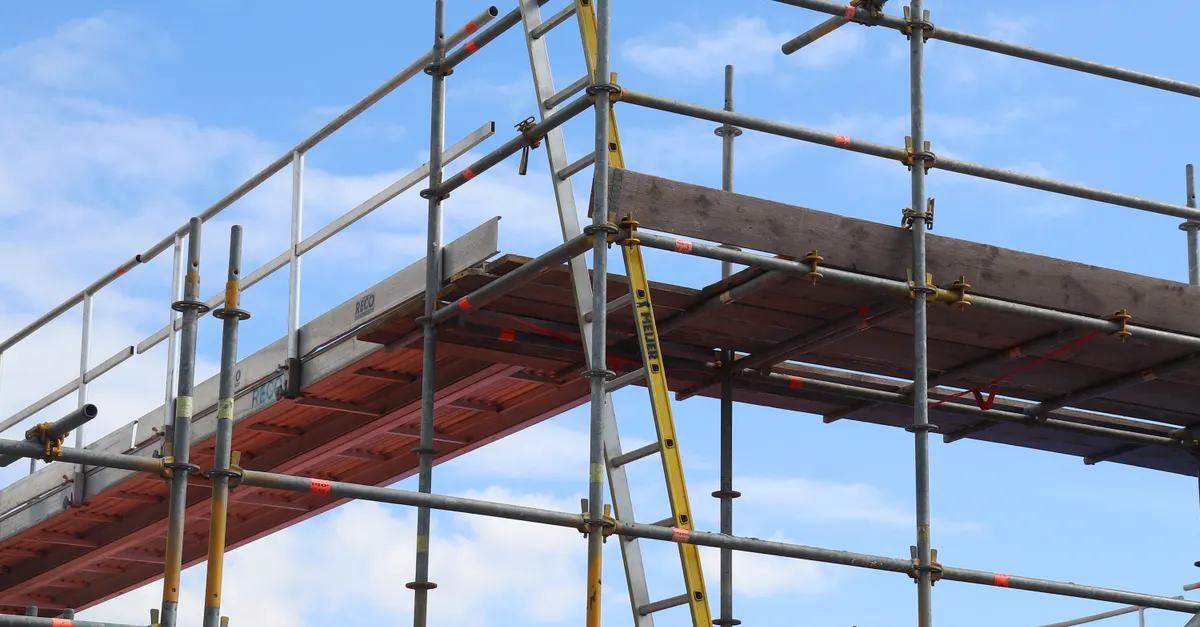
Metal framing systems are often pre-engineered, making them easy to transport and quick to install. This not only speeds up construction but also reduces on-site waste and delays, as highlighted by industry sources.
For projects in areas prone to extreme weather or requiring rapid deployment, it’s essential to consider additional design features such as reinforced joints and secure anchoring. In all cases, prioritize safety and compliance with local building codes.
Conclusion and Practical Recommendations
Selecting the right lightweight metal for a temporary structure involves balancing several factors: strength, weight, cost, sustainability, and safety. Aluminum is often the material of choice due to its versatility, affordability, and performance. Titanium and magnesium may be suitable for specialized applications where their unique properties are required, but they come with higher costs and specific handling needs.
Key recommendations for anyone considering lightweight metals in temporary construction:
- Always consult a professional engineer before finalizing material choices or designs.
- Consider the full lifecycle of the structure, including assembly, use, disassembly, and recycling.
- Evaluate environmental conditions and select materials with appropriate corrosion resistance and fire safety features.
- Prioritize pre-engineered systems and components for faster, safer construction.
- Stay informed about relevant building codes and industry best practices.
By understanding the properties and limitations of each metal, and by seeking expert guidance, you can ensure that your temporary structure is safe, efficient, and environmentally responsible.
Frequently Asked Questions
What are the most common lightweight metals used in temporary structures?
The most common lightweight metals are aluminum, titanium, and magnesium. Aluminum is widely used for its balance of strength, weight, and cost, while titanium and magnesium are chosen for specialized applications requiring maximum performance or minimal weight.
How do lightweight metals compare in terms of strength-to-weight ratio?
Aluminum and titanium both offer high strength-to-weight ratios, making them ideal for structures where weight savings are important. Titanium is stronger but more expensive, while aluminum provides an excellent balance for most temporary construction needs. Magnesium is even lighter but less commonly used due to its specific limitations.
Are lightweight metals environmentally friendly?
Yes, many lightweight metals are highly recyclable, which reduces their environmental impact. Using these materials in temporary structures also means less waste and lower transportation emissions. Choosing metals with high recyclability, like aluminum, supports sustainability goals.