
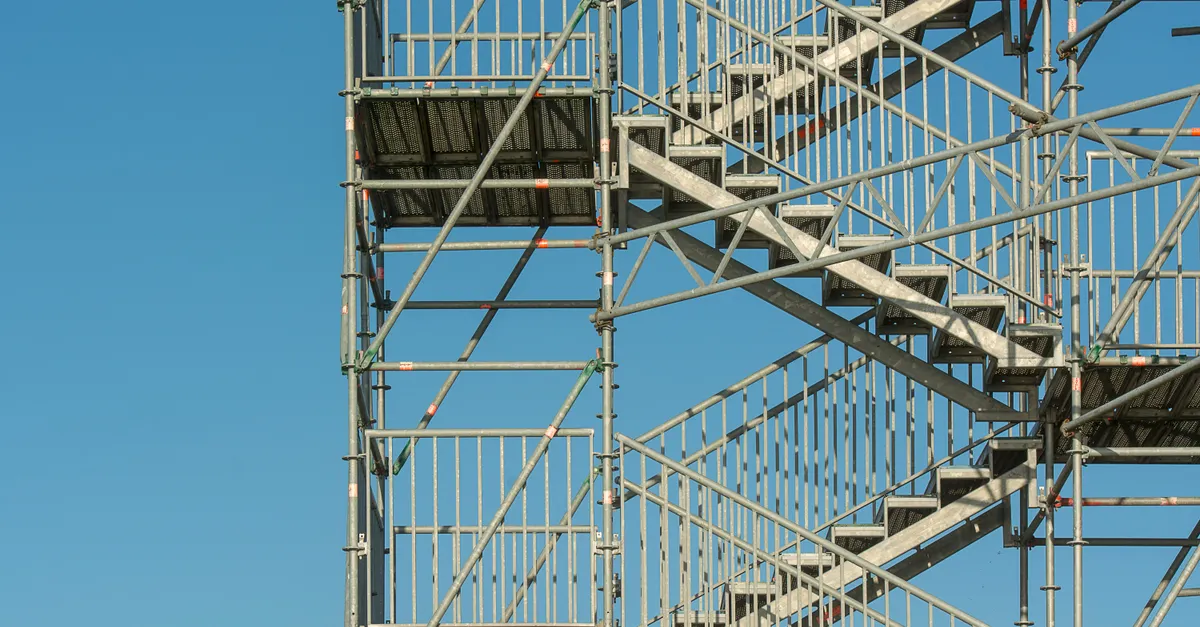
Modular construction is transforming the building industry with its focus on speed, efficiency, and adaptability. Central to this evolution is the use of lightweight metals for modular construction, which offer a range of benefits over traditional materials. By understanding the unique properties and potential challenges of these metals, industry professionals can make informed choices that enhance project outcomes while maintaining safety and sustainability. This article explores the key advantages, common types, and important considerations when incorporating lightweight metals into modular building projects.

Why Lightweight Metals Matter in Modular Building
Lightweight metals are materials that offer a high strength-to-weight ratio, making them ideal for applications where reducing overall weight is crucial without compromising structural integrity. In modular construction, where components are prefabricated and transported to the site, minimizing weight can lead to significant logistical and performance benefits. These metals are increasingly favored for their ability to streamline assembly, reduce transportation costs, and support innovative architectural designs.
Key Benefits of Lightweight Metals for Modular Construction
The adoption of lightweight metals in modular construction brings several notable advantages, especially when compared to traditional materials like concrete and timber. Some of the most significant benefits include:
- Faster Construction Timelines: Prefabricated modules made from lightweight metals are easier to transport and assemble, enabling quicker project completion. This efficiency is particularly valuable in projects with tight deadlines or those requiring rapid deployment, such as temporary housing or emergency facilities.
- Cost Efficiency: Reduced material weight translates to lower shipping and handling expenses. Additionally, the precision and consistency of metal components can minimize on-site labor costs and waste.
- Structural Performance: According to industry sources, steel is heavier but offers superior strength, making it suitable for taller and more complex modular frameworks. This strength allows for open floor plans and creative architectural solutions that might not be possible with heavier or less flexible materials.
- Ease of Installation: Lightweight thermoplastic composite panels, as highlighted by manufacturers, can significantly reduce structural weight and simplify the installation process. These panels are often used for walls, floors, and roofs, contributing to the overall efficiency of the build.
- Design Flexibility: Metals such as aluminum and advanced composites can be formed into a variety of shapes and sizes, supporting customized designs and modular configurations.
For those interested in a deeper dive into how different metals stack up, the article on comparing lightweight metals for construction provides a practical overview of material choices and their respective strengths.
Common Types of Lightweight Metals in Modular Construction
Several types of lightweight metals are commonly used in modular construction, each with its own set of properties and ideal applications:
Aluminum
Aluminum is prized for its low density, corrosion resistance, and ease of fabrication. It is often used in non-load-bearing components, window frames, cladding, and exterior panels. Its lightweight nature makes it especially suitable for modules that require frequent relocation or rapid installation.
Light Gauge Steel
Light gauge steel framing is a staple in modular construction due to its combination of strength, durability, and scalability. As noted by manufacturers, it offers consistent quality and is well-suited for both residential and commercial projects. Light gauge steel can be used for structural frames, floor joists, and roof trusses, providing a robust skeleton for modular units.
Composite Panels
Advanced thermoplastic composite panels are increasingly popular for their ability to reduce structural weight while maintaining rigidity and insulation properties. These panels are often used for walls, floors, and roofing, streamlining installation and improving energy efficiency.
Other Metals
While less common, metals such as magnesium alloys and titanium may be used in specialized modular applications where extreme weight savings or unique performance characteristics are required. However, their higher cost and specific handling requirements often limit their use to niche projects.
Comparing Lightweight Metals to Traditional Materials
When evaluating lightweight metals for modular construction against traditional materials like concrete, timber, or masonry, several distinctions become clear:
- Strength-to-Weight Ratio: Lightweight metals generally offer superior strength for their weight, enabling longer spans and taller structures without excessive bulk.
- Consistency and Quality: Metal components are manufactured to precise specifications, reducing variability and the risk of defects compared to natural materials like wood.
- Durability: Metals such as steel and aluminum are resistant to pests, rot, and many environmental factors that can degrade traditional materials over time.
- Recyclability: Most lightweight metals are highly recyclable, supporting circular economy principles in construction.
However, it is important to note that each material has its own set of trade-offs, and the best choice depends on project requirements, budget, and desired performance outcomes.
Challenges and Considerations with Lightweight Metals
Despite their many advantages, using lightweight metals in modular construction is not without challenges. Understanding these limitations is essential for safe and successful project delivery:
- Thermal Conductivity: Metals can transfer heat more readily than materials like wood or composite, which may require additional insulation to meet energy efficiency standards.
- Corrosion Risk: While aluminum is naturally resistant to corrosion, steel components must be properly treated or coated to prevent rust, especially in humid or coastal environments.
- Acoustic Performance: Metal structures can transmit sound more easily, potentially requiring extra measures for noise control in residential or office modules.
- Cost of Specialized Materials: Advanced composites and certain alloys can be more expensive than conventional options, impacting overall project budgets.
- Structural Limitations: Not all lightweight metals are suitable for every application. For example, while light gauge steel is excellent for framing, it may not provide the mass or rigidity needed for specific load-bearing elements.
Given these factors, it is crucial to consult with structural engineers or material specialists when selecting and designing with lightweight metals. Professional expertise ensures that safety, durability, and regulatory requirements are fully addressed.
Sustainability and Future Directions
Sustainability is a growing priority in the construction sector, and lightweight metals play a significant role in advancing green building practices. Their recyclability, reduced transportation emissions, and compatibility with energy-efficient designs make them attractive for environmentally conscious projects.
- Reduced Carbon Footprint: Lighter modules require less energy to transport and assemble, lowering the overall carbon emissions associated with construction.
- Material Reuse: Metals such as steel and aluminum can be recycled multiple times without significant loss of quality, supporting sustainable resource management.
- Integration with Modern Technologies: Lightweight metals are well-suited for use with prefabricated construction tools and digital fabrication methods, enabling more precise and efficient building processes.
Looking ahead, advancements in material science are likely to expand the range of lightweight metals and composites available for modular construction. Innovations in coatings, hybrid materials, and manufacturing techniques will further enhance performance, durability, and sustainability.
Conclusion
Lightweight metals are reshaping the possibilities of modular construction by offering a compelling mix of efficiency, strength, and sustainability. Their use can accelerate project timelines, reduce costs, and support innovative designs, but it is essential to weigh these benefits against potential challenges such as thermal conductivity, corrosion, and acoustic performance. Consulting with professionals ensures that the right materials are chosen for each application, balancing performance, safety, and long-term value. As the industry continues to evolve, the thoughtful integration of lightweight metals will remain a key factor in building the next generation of modular structures.
Frequently Asked Questions
What are the main advantages of lightweight metals in modular construction?
The primary benefits include faster assembly, lower transportation costs, strong structural performance, and greater design flexibility. These metals also support sustainability goals through recyclability and reduced environmental impact.
Which lightweight metals are most commonly used in modular construction?
Aluminum, light gauge steel, and advanced composite panels are the most prevalent choices. Each offers unique properties suited to different aspects of modular building, from framing to cladding and insulation.
Are there any drawbacks to using lightweight metals in modular construction?
Potential challenges include higher thermal conductivity, risk of corrosion (especially with steel), and sometimes increased costs for specialized materials. Proper design and professional consultation can help mitigate these issues and ensure safe, durable results.