
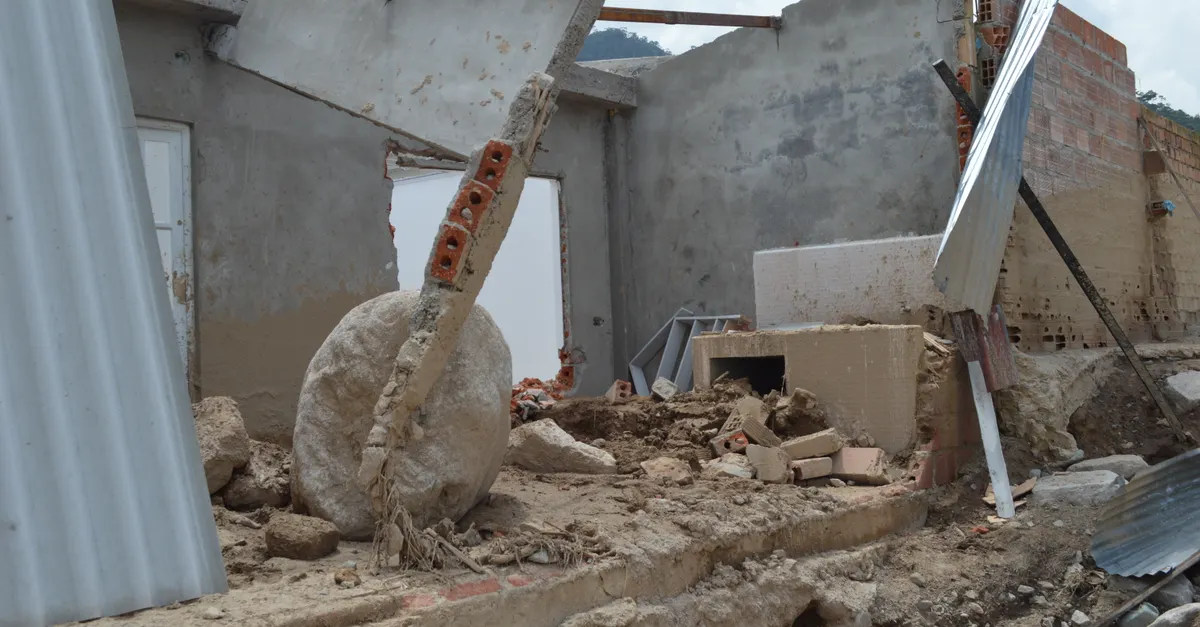
In regions frequently impacted by natural disasters, the choice of building materials can make a significant difference in how well structures withstand extreme events. The use of lightweight metal structures for disaster resilience has gained traction due to their unique properties and performance advantages. By understanding the benefits, design considerations, and financial aspects of these systems, decision-makers can make more informed choices about how to enhance safety and durability in disaster-prone environments.
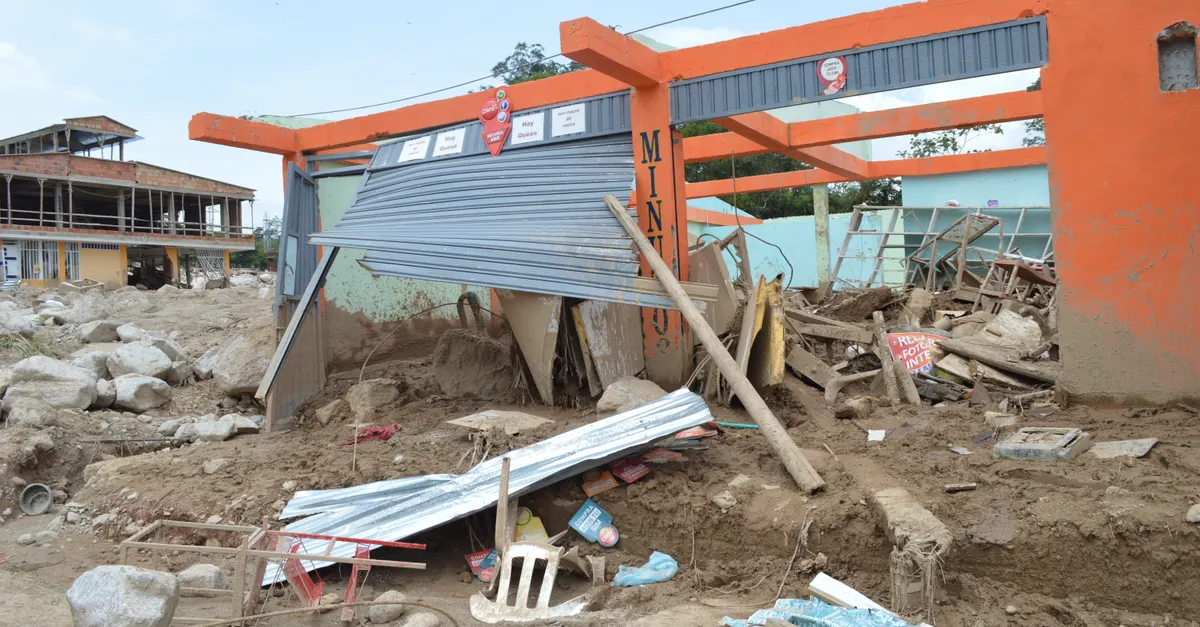
Understanding Lightweight Metal Structures in Disaster Contexts
Lightweight metal structures refer to buildings or frameworks constructed primarily from metals such as steel or aluminum, designed to minimize overall mass without sacrificing strength. These systems are engineered to provide robust support while reducing the load that a building must bear during events like earthquakes, hurricanes, or floods. Their importance in disaster resilience lies in their ability to combine structural integrity with adaptability, making them a preferred option for both new construction and retrofitting projects in vulnerable areas.
Unlike traditional heavy masonry or concrete, lightweight metal frameworks can be prefabricated, transported, and assembled quickly, which is especially valuable in post-disaster recovery scenarios. The modular nature of these structures also supports rapid deployment and flexible design, allowing communities to rebuild efficiently and adapt to changing needs.
Advantages of Cold-Formed Steel for Disaster-Resilient Construction
One of the most prominent materials in disaster-resilient design is cold-formed steel. This material is produced by shaping steel sheets at room temperature, resulting in components that are both strong and light. According to industry sources, cold-formed steel structures are lightweight and reduce the overall mass of buildings, which decreases seismic forces during earthquakes. This reduction in mass means that, during an earthquake, the forces exerted on the building are lower, enhancing its ability to withstand shaking and minimizing damage.
Steel’s inherent ductility—its ability to deform without breaking—plays a crucial role in disaster scenarios. When subjected to seismic or wind loads, steel structures can absorb and redistribute energy, preventing sudden collapse. This property is particularly important for maintaining structural integrity during unpredictable events. Additionally, steel’s resistance to pests, rot, and fire further strengthens its case for use in disaster-prone regions.
Key benefits of cold-formed steel in disaster-resilient buildings include:
- Reduced seismic risk due to lower building mass
- High ductility for energy absorption and redistribution
- Consistent quality from factory production
- Compatibility with lightweight metal components in modern architecture for integrated design solutions
- Resistance to corrosion with proper coatings
These attributes make cold-formed steel a preferred choice for modular construction and rapid deployment in disaster recovery efforts.
Design Strategies for Metal Structures in Hazard Zones
Effective disaster resilience goes beyond material selection—it requires thoughtful design tailored to the specific hazards of a region. One of the defining features of steel buildings is their high strength-to-weight ratio, which enables them to resist high wind loads and seismic activity. This ratio means that steel can support significant weight and stress relative to its own mass, providing stability without excessive bulk.
When designing for disaster resilience, engineers focus on:
- Load path continuity: Ensuring that forces from wind, earthquakes, or blasts are safely transferred from the roof to the foundation
- Progressive collapse resistance: Designing connections and joints to prevent a localized failure from causing a total collapse
- Redundancy: Incorporating multiple pathways for force distribution, so if one element fails, others can compensate
- Modular construction: Using prefabricated elements that can be quickly assembled and replaced if damaged
- Blast-resistant applications: For critical infrastructure, incorporating features that absorb and deflect energy from explosions
For example, in earthquake-prone areas, steel frames are often designed with bracing systems that allow controlled movement and energy dissipation. In hurricane zones, anchoring systems and aerodynamic shapes help reduce wind uplift and pressure on the structure.
Compared to traditional materials like concrete or masonry, lightweight metal structures offer greater flexibility and speed of construction, which is vital for both initial builds and post-disaster repairs. Their modularity also supports phased construction and future expansion as community needs evolve.
Financial Considerations of Adopting Lightweight Metal Structures
While the technical benefits of lightweight metal systems are well-documented, understanding the cost implications is essential for stakeholders. The initial investment in steel or aluminum frameworks can sometimes be higher than conventional materials, especially when factoring in specialized fabrication or coatings. However, these upfront costs are often offset by long-term savings and operational advantages.
Key financial factors include:
- Reduced labor costs due to faster assembly and less need for heavy equipment
- Lower transportation expenses because of lighter components
- Minimized downtime after disasters, as repairs and replacements can be completed quickly
- Decreased maintenance from resistance to pests, rot, and fire
- Potential insurance savings due to enhanced resilience
It’s important to compare these factors with the ongoing costs associated with traditional construction. For example, masonry or concrete buildings may require more extensive repairs after a disaster, leading to higher lifetime expenses. In contrast, the durability and adaptability of metal structures can result in lower total cost of ownership.
Decision-makers should also consider the flexibility of lightweight metals for outdoor structures, which can further reduce costs in applications like temporary shelters, warehouses, or community centers. By evaluating both short-term and long-term financial impacts, organizations can make more sustainable choices for disaster resilience.
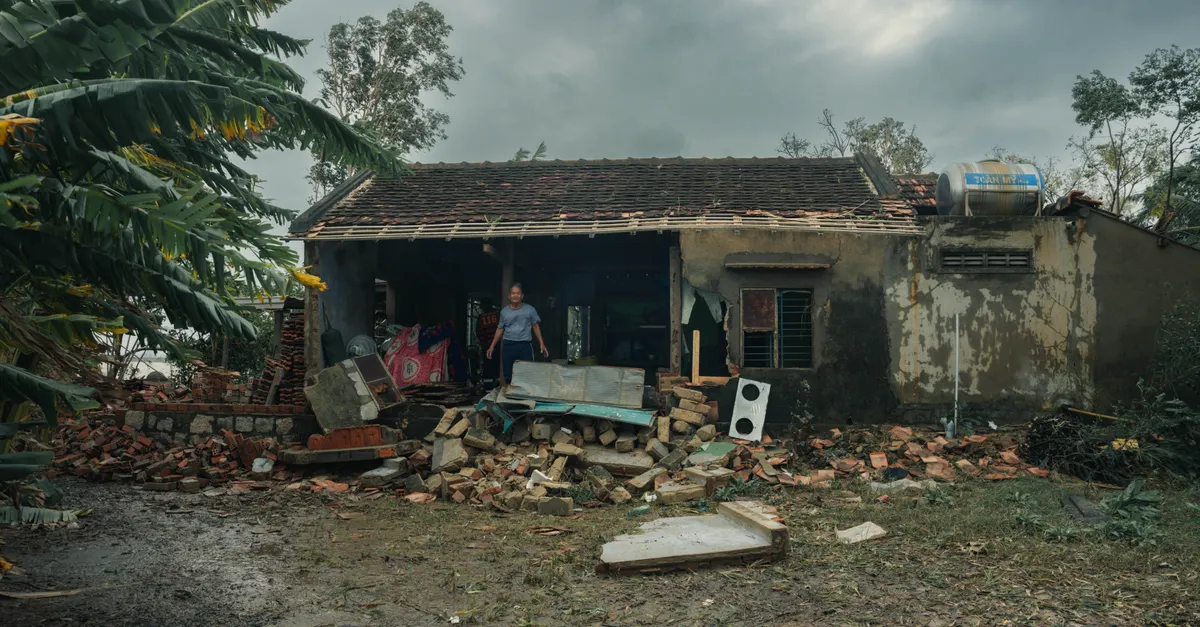
Looking Ahead: The Future of Lightweight Metal Structures in Disaster Resilience
The role of lightweight metal systems in disaster-prone environments is expected to grow as climate change increases the frequency and severity of extreme weather events. Advances in material science, such as new alloys and improved protective coatings, will continue to enhance the performance and longevity of these structures. Modular and prefabricated construction methods are also likely to become more prevalent, enabling even faster response and recovery after disasters.
As building codes and standards evolve to reflect the realities of a changing climate, the demand for resilient, adaptable, and cost-effective solutions will only increase. Lightweight metal frameworks are well-positioned to meet these needs, offering a balance of strength, flexibility, and financial viability. Ongoing research and collaboration between engineers, architects, and policymakers will be essential to unlocking the full potential of these systems for communities worldwide.
Frequently Asked Questions
What are the main benefits of lightweight metal structures in disaster-prone areas?
The primary advantages include reduced seismic forces due to lower building mass, high strength-to-weight ratio, rapid assembly, and durability against pests, rot, and fire. These features help buildings withstand earthquakes, hurricanes, and other disasters more effectively than many traditional materials.
How does the strength-to-weight ratio of steel improve disaster resilience?
Steel’s high strength-to-weight ratio means it can support significant loads without being heavy. This property allows structures to resist high winds and seismic activity, while minimizing the forces transmitted during such events. It also enables more flexible and innovative design approaches.
Are lightweight metal structures more expensive than traditional buildings?
Initial costs for lightweight metal systems can be higher, but they often lead to long-term savings through faster construction, lower maintenance, and reduced repair costs after disasters. The total cost of ownership is typically lower when factoring in these operational advantages.