
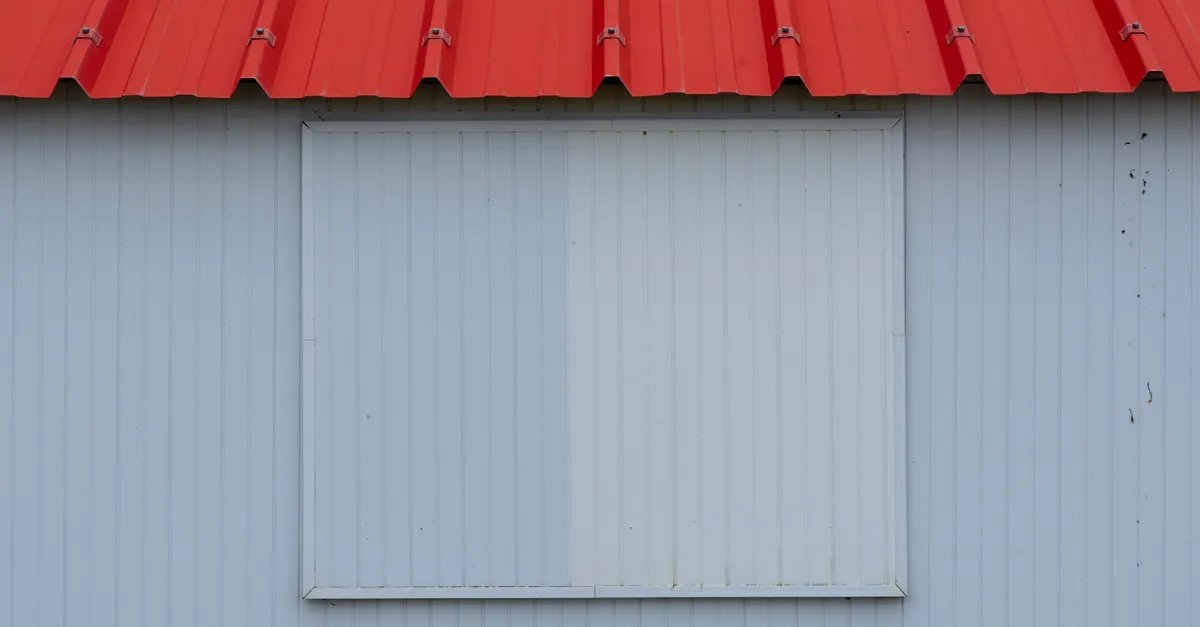
Choosing the right roofing material for your home is a crucial decision that can impact everything from energy efficiency to curb appeal. Lightweight metal roofing options are becoming increasingly popular among homeowners due to their durability, aesthetic appeal, and environmental benefits. These materials offer a modern look while providing robust protection against the elements, making them an attractive choice for many residential applications.
However, selecting the best lightweight metal roofing can be challenging. With various materials available, each with its own set of advantages and drawbacks, it’s essential to understand what makes each option unique. This guide will explore different types of lightweight metal roofing, their benefits, and considerations to help you make an informed decision for your home.
Lightweight Metal Roofing Reviews
1 Aluminum Roofing
Best For: Coastal Homes
Aluminum roofing is ideal for homes near the coast due to its excellent resistance to salt corrosion. It’s lightweight, making it easy to install and maintain.
Why We Like It
Aluminum roofing is known for its corrosion resistance, particularly in salty coastal environments where other materials might deteriorate. Its lightweight nature reduces the structural load on your home, which can be beneficial for older buildings or those in areas with specific building codes. While aluminum can be more expensive upfront, its longevity and low maintenance needs often justify the cost. However, it may not be the best insulator compared to other materials, so additional insulation might be necessary.
Key Details
- Corrosion-resistant
- Lightweight and easy to install
- Long-lasting with minimal maintenance
Pros and Cons
Pros
- Excellent for coastal areas
- Durable and long-lasting
- Lightweight
Cons
- Higher initial cost
- Poor insulation properties
2 Steel Roofing
Best For: Durability
Steel roofing is known for its strength and durability, making it a great choice for areas with extreme weather conditions.
Why We Like It
Steel roofing is a powerhouse when it comes to durability. It’s designed to withstand harsh weather, including heavy snow and strong winds, making it a reliable choice for homes in extreme climates. Steel is also recyclable, which adds an environmental benefit. While it is heavier than aluminum, its robustness is unmatched. The main downside is the potential for rust if not properly coated, so regular maintenance is key.
Key Details
- Highly durable
- Recyclable material
- Requires maintenance to prevent rust
Pros and Cons
Pros
- Extremely durable
- Recyclable
- Good for harsh climates
Cons
- Heavier than other options
- Potential for rust
3 Metal Shingles
Best For: Aesthetic Appeal
Metal shingles offer the beauty of traditional shingles with the durability of metal, making them perfect for homeowners who want both style and strength.
Why We Like It
Metal shingles combine the aesthetic appeal of traditional roofing materials with the durability of metal. They are available in various styles and colors, allowing homeowners to achieve a classic look without sacrificing performance. Metal shingles are also lightweight, reducing the stress on the structure of your home. However, they can be more expensive than other metal roofing options, and installation can be complex, requiring skilled labor.
Key Details
- Visually appealing
- Durable and lightweight
- Available in various styles
Pros and Cons
Pros
- Attractive design options
- Durable
- Lightweight
Cons
- Higher cost
- Complex installation
How to Choose the Right Lightweight Metal Roofing
Understanding Material Types
When selecting lightweight metal roofing, consider the specific material that best suits your needs. Aluminum is great for coastal areas due to its corrosion resistance, while steel offers unmatched durability for extreme weather conditions. Metal shingles provide aesthetic flexibility and are ideal for those looking to maintain a traditional look.
Cost Considerations
The cost of lightweight metal roofing can vary significantly based on the material and style chosen. While aluminum and metal shingles may have higher upfront costs, their long-term durability and low maintenance can offset these expenses over time. Steel, while generally more affordable, requires regular maintenance to prevent rust.
Installation and Maintenance
Installation complexity can vary with different materials. Aluminum and steel panels are generally easier to install, while metal shingles may require more skilled labor. Maintenance is crucial for all metal roofs to ensure longevity, particularly for steel, which needs regular checks to prevent rust.
Environmental Impact
Lightweight metal roofing is often more environmentally friendly than traditional options. Most metal roofs are recyclable, and their long lifespan reduces the need for frequent replacements. This makes them a sustainable choice for eco-conscious homeowners.
Frequently Asked Questions
How long does lightweight metal roofing last?
Lightweight metal roofing can last 40 to 70 years, depending on the material and maintenance. This is significantly longer than traditional asphalt shingles, which typically last 20 to 30 years.
Is lightweight metal roofing noisy during rain?
While metal roofing can be noisier than other materials during heavy rain, proper insulation and underlayment can significantly reduce noise levels, making it comparable to other roofing types.
Can lightweight metal roofing be installed over existing shingles?
Yes, in many cases, lightweight metal roofing can be installed over existing shingles, reducing the need for a complete tear-off and minimizing waste.
For more information on related topics, you might find our article on metal building systems financing options useful.