
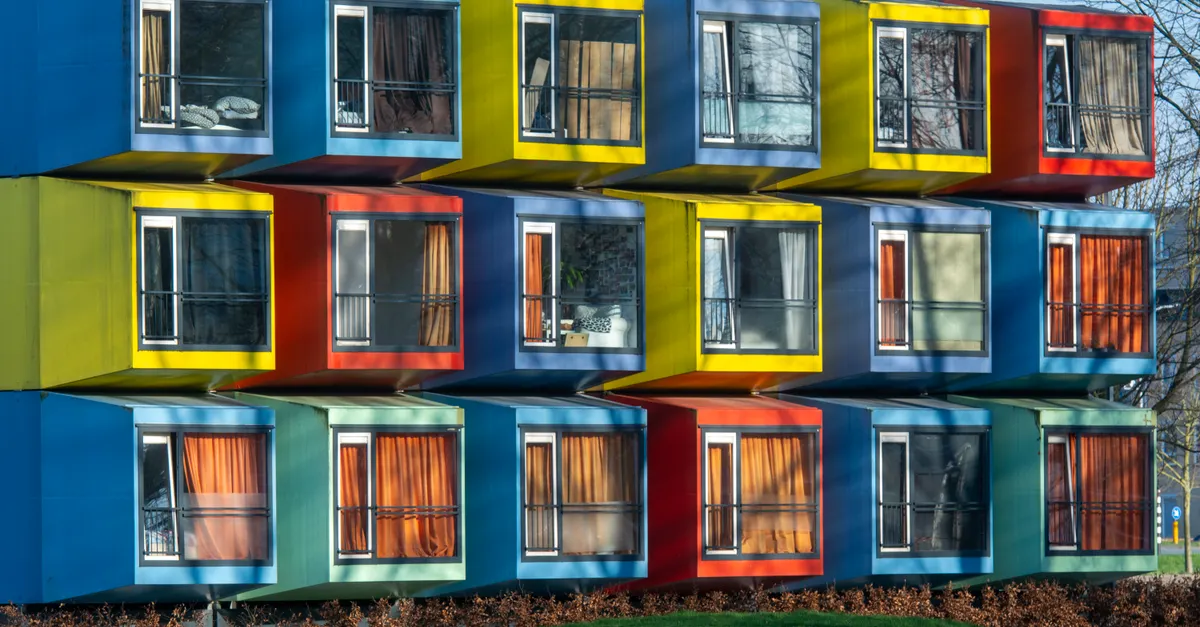
In the world of construction, the choice of materials can make or break a project. This is especially true for prefabricated buildings, where the right materials can lead to faster assembly times, reduced costs, and enhanced sustainability. Lightweight metals have emerged as a popular choice in this arena, offering a blend of strength, durability, and environmental benefits. However, with various options available, selecting the right metal for your project can be daunting.
The challenge lies in understanding the nuances of each metal type, as they often appear similar at first glance. Factors such as strength, cost, and sustainability vary significantly, making it crucial to choose wisely. This guide will explore the best lightweight metal options for prefabricated buildings, focusing on their unique benefits and applications.
Lightweight Metal Reviews
1 Aluminum
Best For: Corrosion Resistance
Aluminum is known for its lightweight and corrosion-resistant properties, making it ideal for temporary structures and smaller buildings.
Why We Like It
Aluminum is a favorite in the construction industry for its impressive strength-to-weight ratio. This metal is particularly beneficial for projects where weight is a critical factor, such as in temporary or mobile structures. Its natural resistance to corrosion means it requires less maintenance over time, which can be a significant cost saver. However, aluminum’s higher initial cost compared to some other metals can be a drawback for budget-conscious projects. Despite this, its durability and low maintenance needs make it a smart investment for long-term applications.
2 Light Gauge Steel
Best For: Structural Strength
Light gauge steel is renowned for its structural strength, making it suitable for buildings up to three floors.
Why We Like It
Light gauge steel offers a robust solution for prefabricated buildings, combining strength with flexibility. It’s particularly well-suited for multi-story structures due to its ability to support significant weight without compromising on stability. This metal is also highly recyclable, contributing to its appeal as a sustainable building material. One potential limitation is that it can be prone to rust if not properly treated, but advancements in coatings and treatments have largely mitigated this issue.
3 Tin
Best For: Cost-Effectiveness
Tin is an affordable option for those looking to minimize costs without sacrificing quality.
Why We Like It
Tin is often overlooked in favor of more traditional metals, but its affordability and ease of use make it a viable option for many prefabricated building projects. It’s lightweight and easy to work with, which can speed up construction times and reduce labor costs. However, tin is not as strong as aluminum or steel, which limits its use to smaller, less structurally demanding applications. Its cost-effectiveness makes it an attractive choice for budget-conscious projects where high strength isn’t a primary concern.
How to Choose the Right Metal
Understanding Material Strength
When selecting a metal for your prefabricated building, consider the structural demands of your project. Metals like light gauge steel offer superior strength, suitable for multi-story buildings, while aluminum provides a balance of strength and weight for smaller structures.
Evaluating Cost and Budget
Budget constraints often play a significant role in material selection. While aluminum offers durability and low maintenance, its initial cost is higher. Tin, on the other hand, is more affordable but may not meet the structural needs of larger projects.
Considering Environmental Impact
Sustainability is increasingly important in construction. Lightweight metals like aluminum and steel are recyclable, reducing environmental impact. Consider the lifecycle of the material and its recyclability when making your decision.
One of the emerging trends in the prefabricated building industry is the use of hybrid metal systems, which combine the strengths of different lightweight metals to optimize performance. For instance, integrating aluminum panels with a light gauge steel framework can enhance both the structural integrity and the corrosion resistance of a building. This approach not only leverages the best properties of each metal but also allows for greater flexibility in design and application.
In terms of sustainability, lightweight metals are increasingly being recognized for their environmental benefits. Aluminum and steel, in particular, are highly recyclable, with recycling rates exceeding 90% according to industry reports. This recyclability reduces the carbon footprint associated with the production of new materials and supports a more sustainable construction cycle. Furthermore, advancements in metal production technology have led to reduced energy consumption and emissions, making these materials even more attractive from an environmental perspective.
Innovations in prefabrication technology are also enhancing the appeal of lightweight metals. Techniques such as 3D printing and advanced metal forming are enabling more precise and efficient construction processes. These technologies allow for the creation of complex geometries and custom components that were previously difficult to achieve, expanding the possibilities for prefabricated building designs. As these technologies continue to evolve, they promise to further enhance the efficiency and versatility of lightweight metal construction in the prefabricated building sector.
Frequently Asked Questions
What are the most common lightweight metals used in prefabricated buildings?
Common lightweight metals include aluminum, light gauge steel, and tin, each offering unique benefits for different construction needs.
How do lightweight metals compare to traditional building materials?
Lightweight metals generally offer better strength-to-weight ratios and are often more cost-effective and sustainable than traditional materials like concrete or wood.
Are there any limitations to using lightweight metals in construction?
While lightweight metals offer many benefits, they can be more expensive initially and may require specific treatments to prevent issues like rust.
Choosing the right lightweight metal for your prefabricated building project involves balancing strength, cost, and sustainability. By understanding the unique advantages and limitations of each metal, you can make an informed decision that meets your project’s needs and budget. For more insights on eco-friendly options, consider exploring eco-friendly lightweight metal options.