
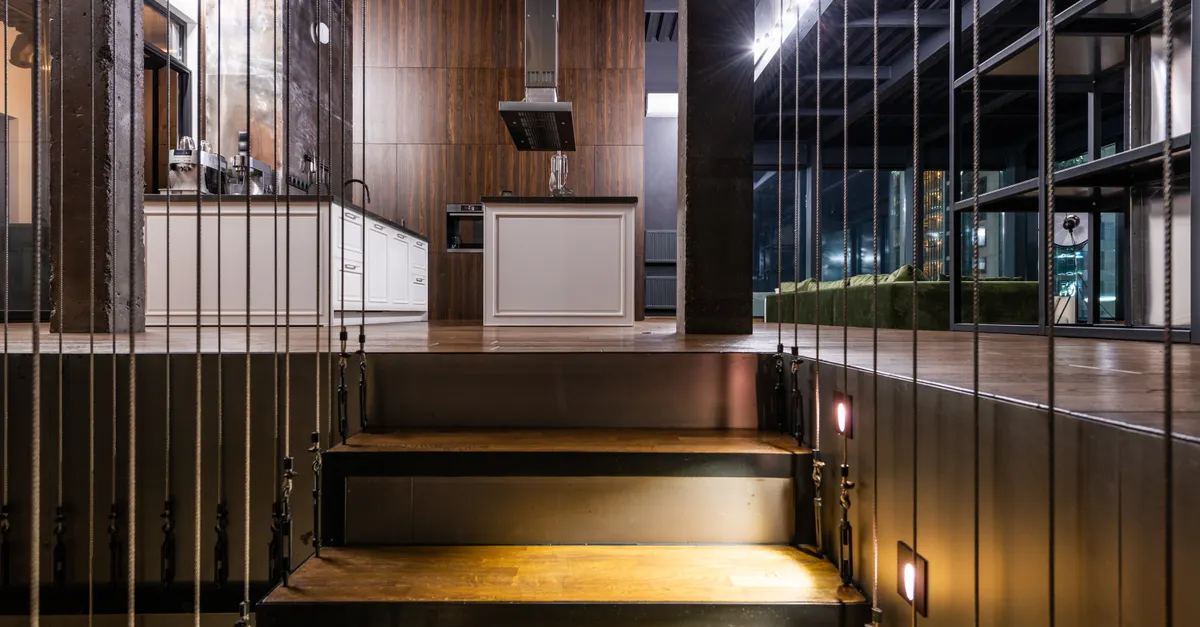
Lightweight metals have become increasingly prominent in contemporary interior design, offering a blend of functionality, aesthetics, and sustainability. These materials are valued for their ability to create visually striking spaces without the structural or logistical challenges posed by heavier traditional metals. As designers and architects seek innovative solutions, understanding the range of lightweight metal options for interior design is essential for making informed choices that balance style, durability, and environmental responsibility.
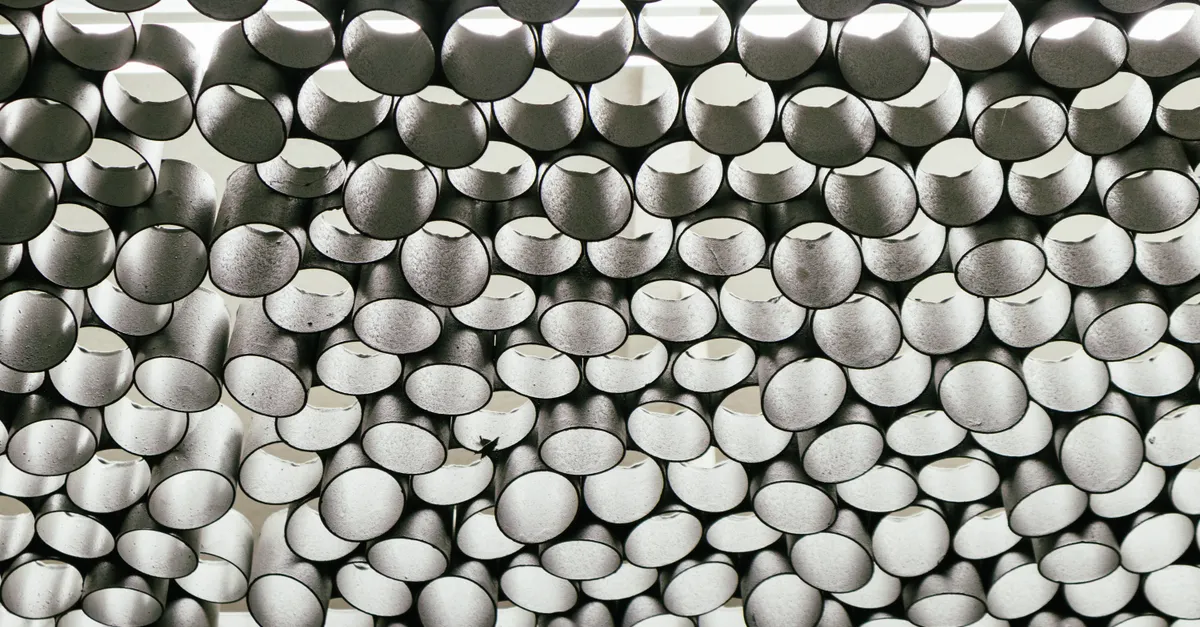
Popular Lightweight Metals and Their Properties
Several metals stand out for their suitability in interior environments due to their low density, strength, and versatility. Among the most widely used are aluminum, VeroMetal coatings, and other metal alloys designed for decorative and functional purposes.
- Aluminum: Known for its exceptional strength-to-weight ratio, aluminum is both lightweight and robust. It resists corrosion, making it ideal for humid or high-traffic areas. According to industry sources, aluminum is commonly used in window and door frames, partitions, and accent features because it is easy to fabricate and finish in a variety of textures and colors.
- VeroMetal Coatings: These innovative coatings offer the appearance and tactile feel of solid metal while being significantly lighter. VeroMetal can be applied to a range of substrates, including wood, MDF, and plastics, resulting in surfaces that are durable, environmentally friendly, and visually indistinguishable from solid metal. This makes them suitable for wall panels, furniture, and decorative elements.
- Other Lightweight Alloys: Magnesium and titanium alloys, though less common in interiors due to cost, are sometimes used for high-end applications where minimal weight and maximum strength are required. These metals are typically reserved for specialty fixtures or bespoke design features.
The unique properties of these metals—such as corrosion resistance, malleability, and the ability to accept various metal finishes—make them adaptable to a wide range of design visions.
Comparing Lightweight Metals: Advantages and Applications
When evaluating lightweight metal options for interior design, it’s important to consider how each material performs in terms of durability, aesthetics, and practical application. Here’s a closer look at how these metals compare:
| Metal | Durability | Aesthetics | Common Applications |
|---|---|---|---|
| Aluminum | High (corrosion-resistant, long-lasting) | Modern, sleek, available in various finishes | Window frames, doors, partitions, trims |
| VeroMetal Coatings | Good (surface durability, lightweight) | Customizable, mimics solid metal | Wall panels, furniture, decorative surfaces |
| Magnesium Alloys | Moderate (lightweight, less corrosion-resistant) | Industrial, high-tech look | Specialty fixtures, custom installations |
| Titanium Alloys | Very High (extremely strong, corrosion-resistant) | Premium, distinctive metallic sheen | High-end hardware, statement pieces |
Each metal brings distinct advantages to interior projects:
- Aluminum is favored for its combination of lightness and strength, making it a go-to for structural and decorative elements that need to be both sturdy and easy to install.
- VeroMetal coatings are especially useful where the look and feel of metal are desired without the weight or cost of solid metal. Their adaptability allows designers to create unique textures and finishes on a variety of surfaces.
- Magnesium and titanium alloys are chosen for specialized applications where weight savings are critical, though their higher price points limit widespread use.
Innovative uses of these metals include feature walls, custom lighting fixtures, and integrated shelving systems. For example, designers may use lightweight metal components in modern architecture to create open, airy interiors that maximize natural light and visual flow.
Benefits of Lightweight Metals in Interior Design
Incorporating lightweight metal options for interior design brings a host of benefits that go beyond aesthetics. Here are some of the main advantages:
- Ease of Installation: Lighter materials reduce the need for heavy-duty supports and make transportation and assembly more manageable, especially in renovation projects or spaces with weight restrictions.
- Design Flexibility: Metals like aluminum and VeroMetal coatings can be shaped, textured, and finished in numerous ways, enabling custom solutions for any design style—from industrial to minimalist to ornate.
- Durability: Many lightweight metals offer excellent resistance to wear, corrosion, and impact, ensuring that design elements maintain their appearance over time.
- Cost Efficiency: Reduced weight can translate to lower shipping and labor costs, while coatings like VeroMetal allow for the look of premium metals at a fraction of the price.
Pros and Cons of Using Lightweight Metals
While the advantages are significant, it’s also important to consider potential drawbacks:
Pros
- Reduced structural load on buildings
- Wide range of finishes and customization options
- Improved sustainability through recyclability
- Lower transportation and installation costs
Cons
- Some lightweight metals may dent or scratch more easily than heavier alternatives
- Premium alloys can be expensive
- Surface coatings may require maintenance to retain their appearance
Environmental Impact and Sustainability of Lightweight Metals
As sustainability becomes a core concern in design, the environmental profile of lightweight metal options for interior design is increasingly important. Aluminum, for example, is highly recyclable and requires significantly less energy to recycle than to produce new material, according to industry sources. This makes it a preferred choice for projects aiming to minimize environmental impact.
VeroMetal coatings also contribute to sustainability by enabling the use of recycled or renewable substrates, reducing the need for large quantities of solid metal. The coatings themselves are designed to be durable and long-lasting, which supports the principles of sustainability in design by extending the lifecycle of interior elements.
Other environmental benefits include:
- Lower embodied energy compared to traditional heavy metals
- Reduced transportation emissions due to lighter weight
- Potential for integration with other sustainable materials, such as reclaimed wood or recycled plastics
By choosing metals that are both lightweight and recyclable, designers can help reduce the overall carbon footprint of their projects and support circular economy principles.
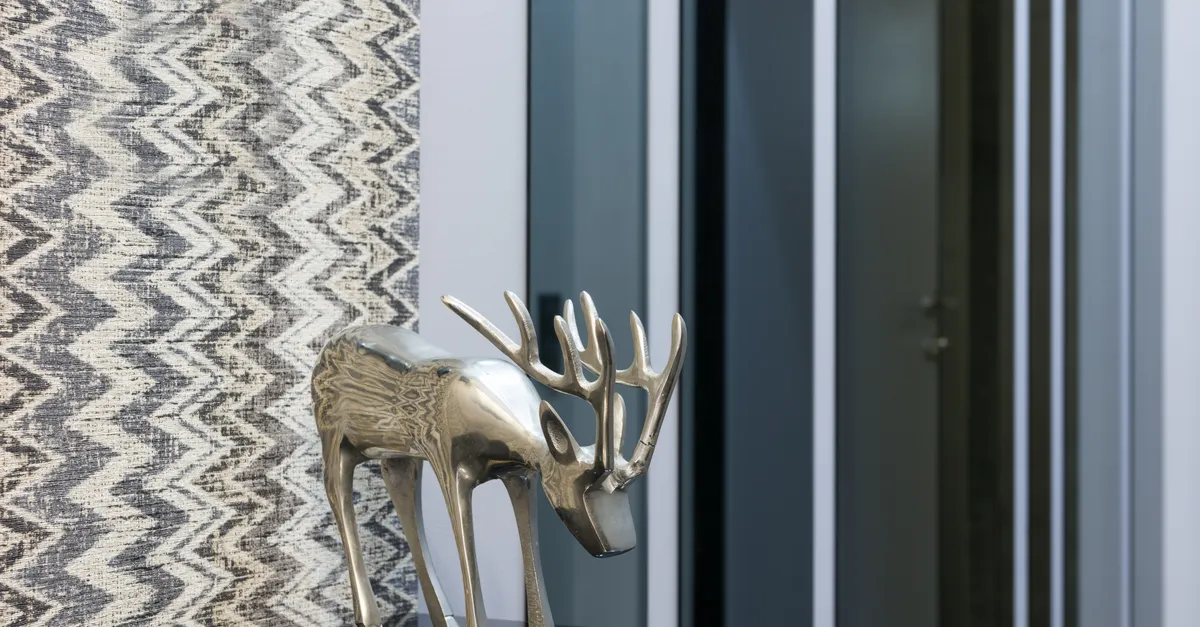
Conclusion: The Future of Lightweight Metals in Interior Spaces
The use of lightweight metal options for interior design is poised to grow as designers continue to seek materials that offer both performance and aesthetic appeal. Advances in metal coatings, fabrication techniques, and sustainable sourcing are expanding the possibilities for creative expression while meeting the demands of modern construction and environmental stewardship.
Looking ahead, we can expect to see further innovation in metal finishes, increased use of recycled content, and greater integration of metals with smart technologies. As the industry evolves, lightweight metals will remain a key resource for those aiming to create interiors that are functional, beautiful, and responsible.
Frequently Asked Questions
What are the most popular lightweight metals used in interior design?
The most common choices are aluminum, VeroMetal coatings, and select lightweight alloys such as magnesium and titanium. Each offers a unique balance of strength, appearance, and adaptability for different applications.
How do lightweight metals compare to traditional materials in terms of durability and aesthetics?
Lightweight metals like aluminum are highly durable and resistant to corrosion, often outperforming traditional materials such as wood or heavier metals in certain environments. Aesthetically, they provide a modern, sleek look and can be finished in a variety of textures and colors to suit any design style.
Are there environmental benefits to using lightweight metals in interior design?
Yes, many lightweight metals are recyclable and require less energy to process, reducing their environmental impact. Using coatings like VeroMetal can also minimize the need for solid metal, further supporting sustainable design practices.