
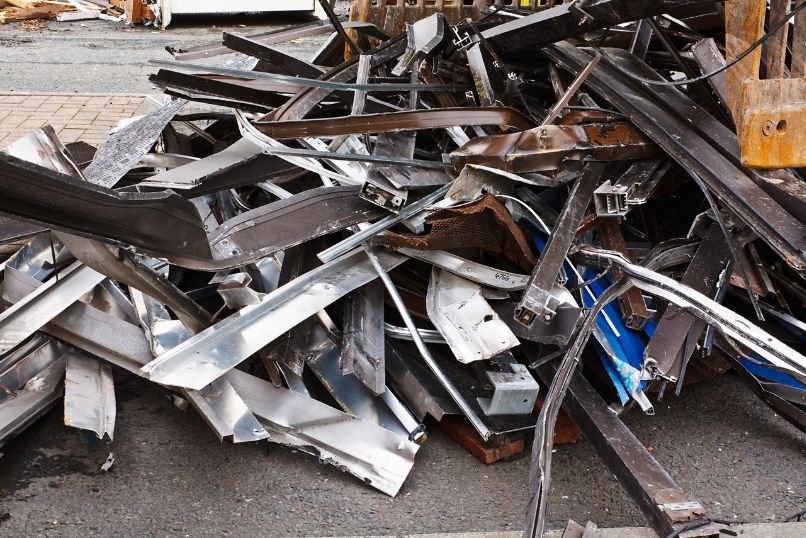
As industries worldwide strive for more sustainable practices, innovations in metal recycling have become a driving force in reducing environmental impact and conserving natural resources. Modern advancements are reshaping how metals are collected, processed, and reused, making recycling more efficient and accessible than ever before. These improvements not only support eco-friendly manufacturing but also contribute to economic growth by turning waste into valuable raw materials.
In this guide, we’ll explore the latest breakthroughs, practical methods, and real-world applications that are transforming the field. For a deeper dive into the newest metal recycling technologies, check out our dedicated resource.
How New Technologies Are Transforming Metal Recovery
The recycling sector has seen remarkable progress with the integration of advanced sorting and processing systems. Automated facilities now use artificial intelligence and robotics to identify and separate metals with greater precision. These smart systems reduce contamination and increase the purity of recycled materials, making them more suitable for high-quality manufacturing.
One notable advancement is the use of sensor-based sorting. Technologies such as X-ray fluorescence (XRF) and near-infrared (NIR) sensors can quickly distinguish between different metal types, even when they are mixed or coated. This level of accuracy was previously unattainable with manual sorting, leading to higher recovery rates and less waste.
Innovative Processing Methods for Enhanced Efficiency
Efficiency is at the heart of modern metal recycling. Shredding and granulation techniques have evolved, allowing recyclers to process larger volumes of scrap with less energy. High-torque shredders, for example, can break down bulky items like cars and appliances into manageable pieces, which are then further refined.
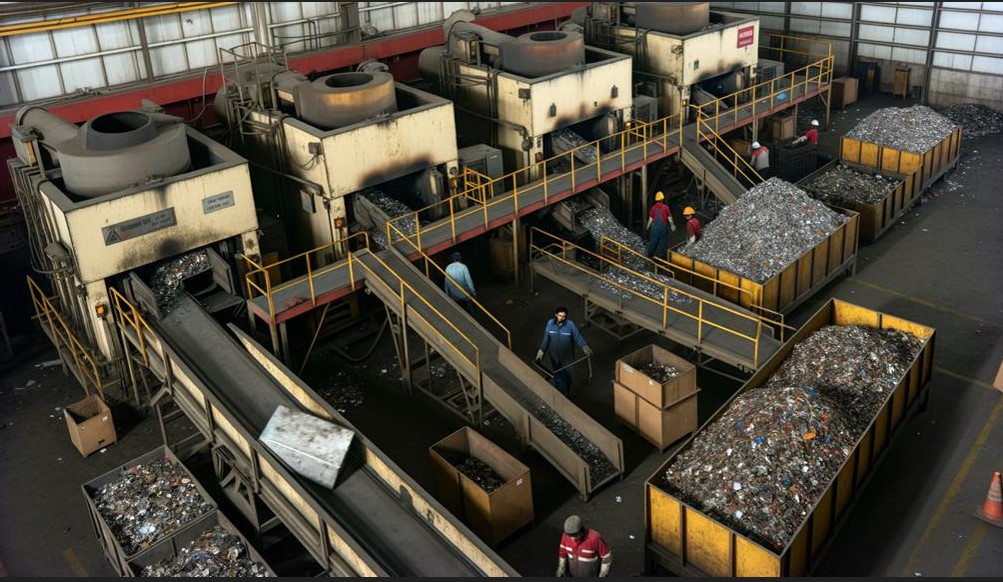
Magnetic separation is another key process that has benefited from technological upgrades. Modern magnets and eddy current separators can extract ferrous and non-ferrous metals from mixed waste streams with impressive speed and accuracy. This not only improves the yield but also ensures that more material is diverted from landfills.
For those interested in the journey of scrap after collection, our article on what happens to scrap metal offers a detailed look at the stages from pickup to processing.
Digital Solutions and Data-Driven Approaches
Digitalization is playing a crucial role in optimizing recycling operations. Software platforms now track materials from collection to final processing, providing valuable data for improving logistics and reducing operational costs. These systems help recyclers identify bottlenecks, forecast demand, and ensure compliance with environmental regulations.
Blockchain technology is also emerging as a tool for enhancing transparency in the supply chain. By recording each transaction and movement of recycled metals, blockchain ensures traceability and builds trust among manufacturers, suppliers, and consumers.
Environmental and Economic Benefits of Modern Metal Recycling
The environmental advantages of these new methods are significant. By reducing the need for virgin ore extraction, recycling cuts down on greenhouse gas emissions, conserves water, and minimizes habitat disruption. According to industry studies, recycling aluminum saves up to 95% of the energy required to produce new metal from raw materials.
Economically, these innovations lower production costs and create new business opportunities. Recycled metals are increasingly used in sectors such as automotive, construction, and electronics, supporting a circular economy. For more on this, see our guide to industrial uses of recycled aluminum.
Practical Steps for Adopting Advanced Recycling Solutions
Businesses looking to implement the latest recycling methods should start by evaluating their current waste management practices. Partnering with specialized recycling firms can provide access to state-of-the-art equipment and expertise. Investing in employee training ensures that staff can operate new machinery safely and efficiently.
It’s also important to stay informed about local and international regulations, as compliance can open up new markets and funding opportunities. Companies can benefit from government incentives for sustainable practices, further offsetting the costs of upgrading their recycling infrastructure.

Key Materials and Their Unique Recycling Processes
Not all metals are recycled in the same way. For example, steel and aluminum are commonly separated using magnets and eddy currents, while copper often requires more specialized processing to remove coatings and impurities. Understanding the specific requirements for each material is essential for maximizing recovery rates and ensuring high-quality output.
For a comprehensive overview of different metals and their recycling processes, visit this detailed guide to metal types and their recycling process.
Challenges and Future Directions in Metal Reuse
Despite significant progress, the industry still faces challenges such as contamination, fluctuating market prices, and regulatory hurdles. Continued investment in research and development is needed to address these issues and unlock new possibilities.
Looking ahead, the integration of machine learning, automation, and circular economy principles will further enhance the sustainability and profitability of metal recycling. Collaboration between manufacturers, recyclers, and policymakers will be key to driving widespread adoption of these advanced solutions.
FAQ: Metal Recycling Innovations and Best Practices
What are the main benefits of adopting advanced metal recycling technologies?
New technologies improve sorting accuracy, reduce waste, and lower energy consumption. This leads to higher-quality recycled materials, cost savings for manufacturers, and a smaller environmental footprint.
How can businesses start using the latest recycling methods?
Companies should assess their current processes, seek partnerships with specialized recyclers, and invest in modern equipment and staff training. Staying updated on regulations and incentives can also help maximize the benefits of these innovations.
Which metals are most commonly recycled using innovative techniques?
Steel, aluminum, and copper are among the most frequently recycled metals using advanced sorting, shredding, and separation technologies. Each material requires specific handling to ensure optimal recovery and quality.
How do I identify which metals can be recycled?
For practical tips on distinguishing recyclable metals, refer to our article on how to identify recyclable metals.
Can recycled metals fully replace new metals in manufacturing?
In many cases, recycled metals can substitute for newly mined materials, especially when processed with advanced technologies. Learn more about this topic in our article on can recycled metal replace new metal.