
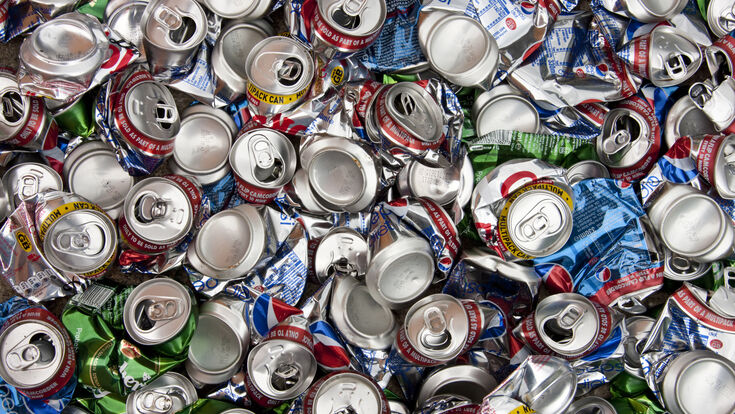
Aluminum is one of the most widely recycled materials in the world, valued for its ability to retain quality through repeated processing. The industrial uses of recycled aluminum span a variety of sectors, from transportation and construction to packaging and electronics. As industries look for ways to reduce costs and environmental impact, the demand for secondary aluminum continues to rise. This guide explores how recycled aluminum is utilized across different industries, the benefits it brings, and why its role is only growing in importance.
Understanding the many ways recycled aluminum is used in manufacturing and infrastructure can help businesses make informed decisions about sourcing materials. It also highlights the environmental and economic advantages of choosing recycled over primary aluminum. For a deeper look at how reusing metals affects product performance, see the impact of recycled metals on quality.
Why Industries Choose Recycled Aluminum
The decision to use recycled aluminum in industrial applications is driven by several key factors. First, producing aluminum from scrap requires up to 95% less energy compared to refining it from raw ore. This translates to significant cost savings and a smaller carbon footprint. Additionally, recycled aluminum maintains the same physical properties as virgin material, making it suitable for demanding applications.
Many manufacturers incorporate recycled content to support sustainability goals and comply with environmental regulations. The use of secondary aluminum also helps stabilize supply chains, as it reduces dependence on mining and international raw material markets.
Key Sectors Benefiting from Recycled Aluminum
The versatility of aluminum makes it a preferred choice in numerous industries. Below are some of the primary sectors that rely on recycled aluminum for their operations:
- Automotive: Car manufacturers use recycled aluminum for engine blocks, wheels, body panels, and structural components. The metal’s light weight improves fuel efficiency and reduces emissions.
- Construction: Building projects utilize recycled aluminum in window frames, roofing, curtain walls, and structural supports. Its resistance to corrosion and low maintenance needs make it ideal for long-term installations.
- Packaging: Beverage cans, food containers, and foil are often made from recycled aluminum. The closed-loop recycling process allows cans to be back on shelves in as little as 60 days.
- Electronics: Recycled aluminum is used in casings for computers, smartphones, and other devices due to its strength and ability to dissipate heat.
- Aerospace: Aircraft manufacturers incorporate recycled aluminum in fuselage panels and internal structures, balancing performance with sustainability.

How Recycled Aluminum is Processed for Industrial Use
The journey from scrap to finished product involves several steps. First, collected aluminum waste is sorted and cleaned to remove contaminants. It is then melted in large furnaces, a process that consumes far less energy than producing new aluminum from bauxite ore. The molten metal is cast into ingots, billets, or other forms suitable for manufacturing.
These semi-finished products are supplied to various industries, where they are rolled, extruded, or stamped into the required shapes. The ability to recycle aluminum repeatedly without loss of quality is a major advantage, ensuring a consistent supply of high-grade material for industrial applications.
Environmental and Economic Benefits of Aluminum Recycling
Using recycled aluminum in industry delivers significant environmental gains. Most notably, it reduces greenhouse gas emissions and conserves natural resources. According to industry data, recycling one ton of aluminum saves up to nine tons of CO2 emissions compared to primary production.
The economic benefits are also substantial. Lower energy requirements mean reduced production costs, which can be passed on to consumers or reinvested in innovation. For more on the broader sustainability impact, see how how recycled metals reduce emissions and support a circular economy.
For a comprehensive overview of the advantages, you can also review this detailed resource on the benefits of recycling metals.
Challenges and Quality Considerations in Recycled Aluminum Applications
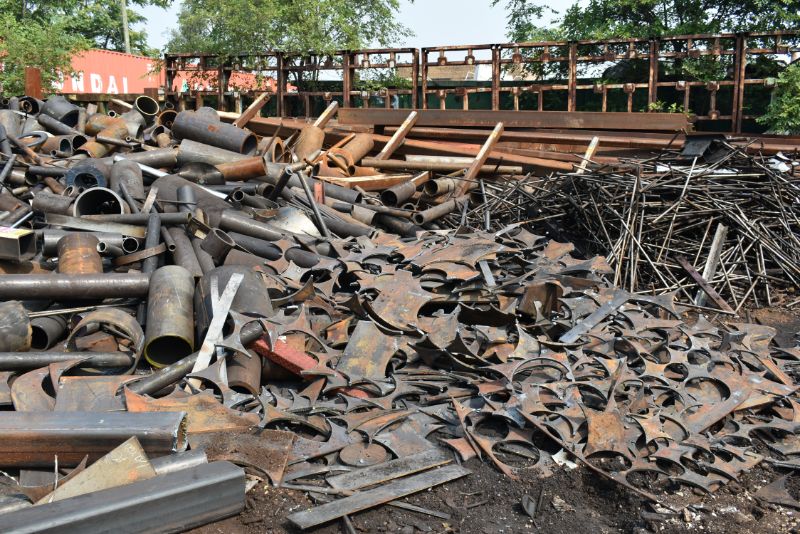
While recycled aluminum offers many benefits, there are challenges to address. Contamination from other metals or materials can affect the quality of the final product. Advanced sorting and cleaning technologies are essential to ensure that recycled aluminum meets the strict standards required for industrial use.
Some applications, such as aerospace or critical automotive components, may require higher purity levels. In these cases, manufacturers may blend recycled and primary aluminum to achieve the desired properties. For more details on how recycled content impacts product strength and performance, refer to the impact of recycled metals on quality.
Trends Shaping the Future of Aluminum Recycling in Industry
The use of recycled aluminum in industry is expected to grow as technology improves and sustainability becomes a higher priority. Innovations in sorting, melting, and alloying processes are making it easier to produce high-quality material from scrap. Additionally, more companies are setting targets for recycled content in their products, driven by consumer demand and regulatory pressures.
The shift toward a circular economy is also encouraging industries to design products with recyclability in mind, further boosting the role of secondary aluminum in manufacturing.
Frequently Asked Questions
What Are the Main Advantages of Using Recycled Aluminum in Industry?
The main advantages include significant energy savings, reduced greenhouse gas emissions, and cost efficiency. Recycled aluminum maintains its quality, making it suitable for demanding industrial applications without compromising performance.
Which Industries Use the Most Recycled Aluminum?
The automotive, construction, packaging, electronics, and aerospace sectors are among the largest consumers of recycled aluminum. Each industry values the material for its strength, light weight, and sustainability benefits.
Does Recycled Aluminum Affect Product Quality?
When properly processed, recycled aluminum can match the quality of primary aluminum. Advanced sorting and refining techniques ensure that the final product meets industry standards. For more insights, see the article on the impact of recycled metals on quality.
How Does Aluminum Recycling Support Sustainability?
Recycling aluminum conserves natural resources, reduces landfill waste, and cuts energy consumption. This supports environmental goals and helps industries meet regulatory requirements for sustainability.