
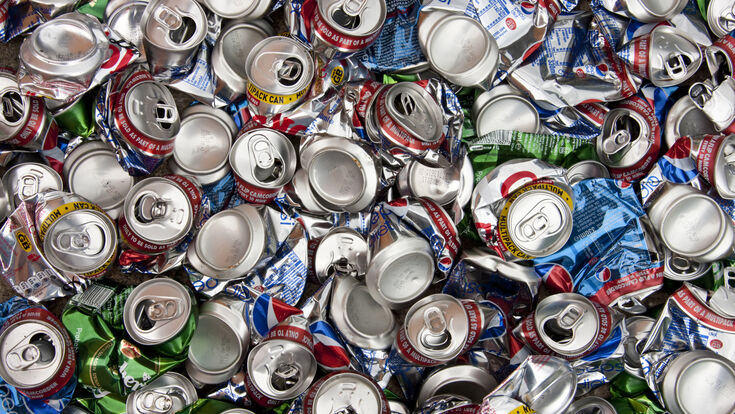
The importance of metal recycling in industry cannot be overstated as businesses worldwide strive to achieve greater sustainability and efficiency. Industrial sectors—from manufacturing to construction—rely heavily on metals, making responsible resource management a key factor in reducing environmental impact and operational costs. By reprocessing scrap and used metals, companies not only conserve raw materials but also minimize energy consumption and greenhouse gas emissions.
As industries face increasing pressure to adopt eco-friendly practices, understanding the benefits and processes of metal recycling becomes essential. This guide explores how reusing metals supports environmental goals, boosts economic performance, and aligns with modern sustainability standards. For those interested in the fundamentals and broader implications, learning about what is recycled metal provides valuable context for the discussion ahead.
How Metal Recycling Supports Industrial Sustainability
Embracing metal recycling in industrial operations is a cornerstone of sustainable development. The process involves collecting, sorting, and processing scrap metals so they can be reused in manufacturing new products. This approach conserves finite resources, reduces landfill waste, and lessens the need for energy-intensive mining and refining.
For industries, the environmental advantages are significant. Recycling metals like steel, aluminum, and copper saves substantial amounts of energy compared to producing them from virgin ore. For example, recycling aluminum uses up to 95% less energy than primary production. This translates directly into lower carbon emissions and a smaller ecological footprint for manufacturers.
Additionally, reusing metals helps companies comply with environmental regulations and meet the expectations of customers and stakeholders who prioritize sustainability. By integrating recycled materials into their supply chains, businesses demonstrate a commitment to responsible resource management.
Key Benefits of Metal Recycling for Industry
The importance of metal recycling in industry is evident in the wide range of benefits it delivers. Some of the most impactful advantages include:
- Resource Conservation: Recycling extends the life cycle of metals, reducing the need to extract new raw materials and preserving natural resources for future generations.
- Energy Efficiency: The energy savings from recycling metals are substantial, lowering operational costs and reducing reliance on fossil fuels.
- Waste Reduction: By diverting scrap metal from landfills, industries help minimize environmental pollution and land use concerns.
- Economic Value: Recycled metals are often less expensive than newly mined materials, offering cost savings and supporting a circular economy.
- Regulatory Compliance: Many regions have strict waste management and recycling mandates. Adopting metal recycling helps companies stay compliant and avoid penalties.
For a deeper dive into the environmental and manufacturing advantages, the article on benefits of recycled metal outlines how these practices contribute to a greener industrial landscape.
Common Metals Recycled in Industrial Settings
Industrial recycling programs typically focus on several key metals due to their high value and widespread use. The most commonly recycled metals include:
- Steel: Used extensively in construction, automotive, and machinery manufacturing. Steel is highly recyclable and retains its properties through multiple cycles.
- Aluminum: Found in packaging, transportation, and electronics. Aluminum recycling is energy-efficient and produces minimal waste.
- Copper: Essential for electrical wiring, plumbing, and electronics. Copper’s high conductivity and value make it a priority for recycling.
- Brass and Bronze: Alloys used in fittings, valves, and decorative applications. These metals are easily separated and processed for reuse.
To learn more about the specific types of metals suitable for recycling, the resource on types of recyclable metals provides a detailed overview.

Industrial Metal Recycling Processes and Techniques
The journey from scrap to reusable material involves several key steps. Understanding how metal recycling works helps industries optimize their operations and maximize recovery rates.
- Collection: Scrap metal is gathered from manufacturing offcuts, end-of-life products, and demolition sites.
- Sorting: Metals are separated by type using magnets, sensors, and manual inspection to ensure purity.
- Processing: The sorted metals are shredded or cut into smaller pieces to facilitate melting.
- Melting: Metals are melted in furnaces designed for specific types, such as steel or aluminum.
- Purification: Techniques like electrolysis or chemical treatments remove contaminants, ensuring high-quality recycled material.
- Solidification: The purified metal is cast into ingots or other forms for use in manufacturing new products.
These processes are continually refined to improve efficiency and reduce environmental impact, making recycling a vital part of modern industrial operations.
Challenges and Solutions in Industrial Metal Recycling
While the importance of metal recycling in industry is clear, companies often face challenges in implementation. Common obstacles include contamination of scrap, fluctuating market prices, and logistical issues in collection and transportation.
Solutions involve investing in advanced sorting technologies, building strong supplier relationships, and adopting flexible business models that can adapt to market changes. Collaboration across the supply chain is also essential for maximizing recovery and maintaining quality standards.
For insights into the most valuable metals to recycle, see this guide to commonly recycled non-ferrous metals.
Future Trends in Industrial Metal Recycling
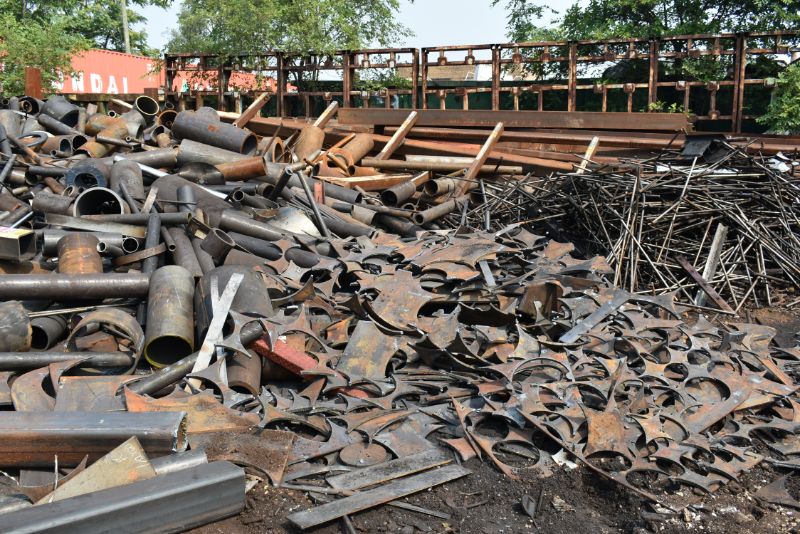
As technology advances, the future of metal recycling in industrial contexts looks promising. Automation, artificial intelligence, and improved sorting systems are making it easier to recover high-quality materials from complex waste streams. These innovations help industries further reduce waste, lower costs, and support a circular economy.
Additionally, growing consumer and regulatory demand for sustainable products is driving companies to increase their use of recycled metals. This trend is likely to accelerate as more businesses recognize the long-term value of resource efficiency and environmental stewardship.
Frequently Asked Questions
Why is metal recycling crucial for industrial sustainability?
Recycling metals conserves natural resources, reduces energy use, and lowers greenhouse gas emissions. It also helps industries meet environmental regulations and supports a more sustainable production cycle.
What are the main challenges industries face with metal recycling?
Common challenges include contamination of scrap, fluctuating commodity prices, and logistical difficulties in collecting and transporting materials. Addressing these issues requires investment in technology and collaboration across the supply chain.
How can companies improve their metal recycling efforts?
Businesses can enhance recycling by implementing better sorting and collection systems, training staff, and partnering with reliable recycling providers. Staying informed about advances in recycling technology also helps maximize recovery rates and quality.