
The use of recycled metals is becoming increasingly common in manufacturing, driven by sustainability goals and economic benefits. As industries look for ways to reduce environmental impact and conserve resources, understanding the impact of recycled metals on quality and strength is crucial. This article explores how incorporating recycled materials affects product performance, what factors influence outcomes, and how manufacturers can ensure high standards while embracing eco-friendly practices.
Whether you’re a manufacturer, product designer, or simply interested in sustainable materials, knowing how recycled metals influence the durability and reliability of finished goods is essential. We’ll examine the science behind metal recycling, compare recycled and virgin metals, and highlight best practices for maintaining product excellence.
For a closer look at how recycled materials are used in everyday objects, explore the uses of recycled metals in products to see practical applications across industries.
Understanding the Role of Recycled Metals in Manufacturing
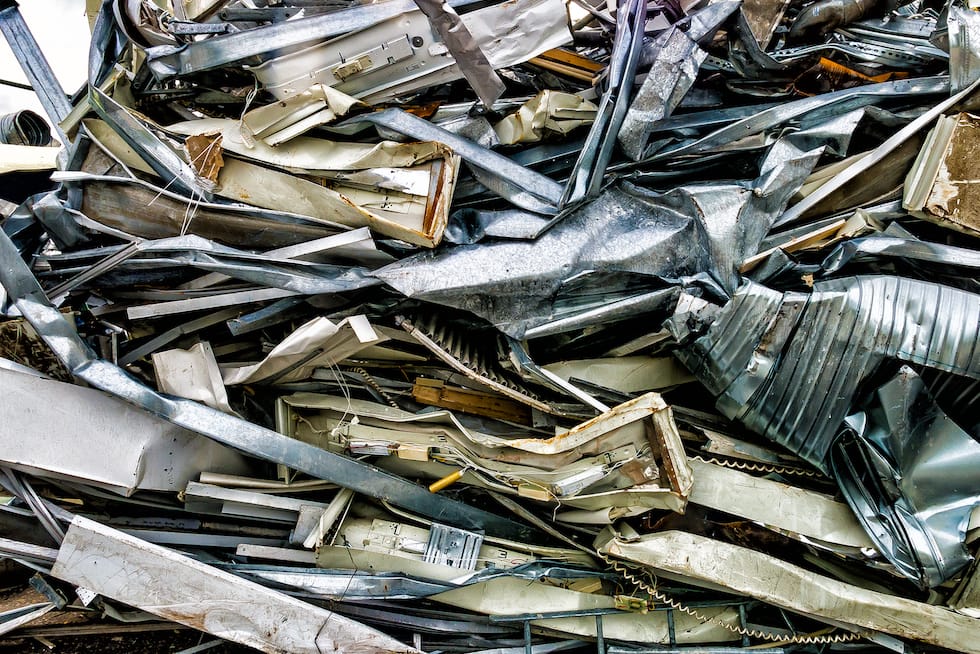
Recycled metals are sourced from post-consumer products, industrial scrap, and obsolete equipment. These materials are collected, sorted, cleaned, and processed to create usable raw inputs for new manufacturing cycles. The process not only conserves natural resources but also reduces energy consumption and greenhouse gas emissions compared to mining and refining virgin metals.
The impact of recycled metals on quality depends on several factors, including the type of metal, the recycling process, and the intended application. Commonly recycled metals like aluminum, steel, copper, and brass retain many of their original properties when properly processed. However, the presence of impurities or inconsistent alloy composition can sometimes affect the final product’s performance.
Comparing Recycled and Virgin Metals: Quality and Strength
One of the most frequent questions manufacturers face is whether products made with recycled metals are as strong and reliable as those made from virgin materials. The answer varies by metal type and application:
- Steel: Recycled steel is widely used in construction, automotive, and appliance industries. Thanks to advanced refining methods, recycled steel can match the strength and durability of new steel, provided impurities are carefully managed.
- Aluminum: Aluminum can be recycled indefinitely without losing its core properties. In fact, recycled aluminum is often indistinguishable from new aluminum in terms of strength and appearance.
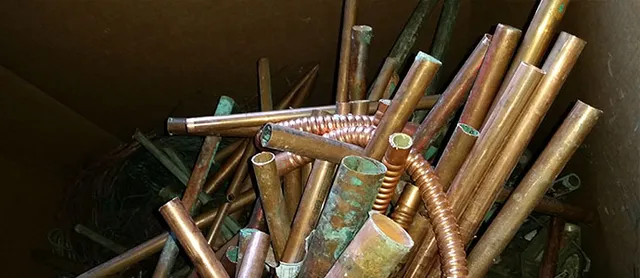
- Copper: The recycled copper process ensures high purity levels, making recycled copper suitable for electrical wiring and plumbing applications where conductivity and strength are critical.
- Non-Ferrous Metals: Metals like brass, bronze, and zinc also retain their mechanical properties after recycling, though extra care is needed to control alloy composition.
For a deeper dive into the most common types of non-ferrous metals that are recycled and their unique properties, see this overview of commonly recycled non-ferrous metals.
Factors Influencing the Performance of Recycled Metals
The quality and strength of products made with recycled metals are influenced by several key factors:
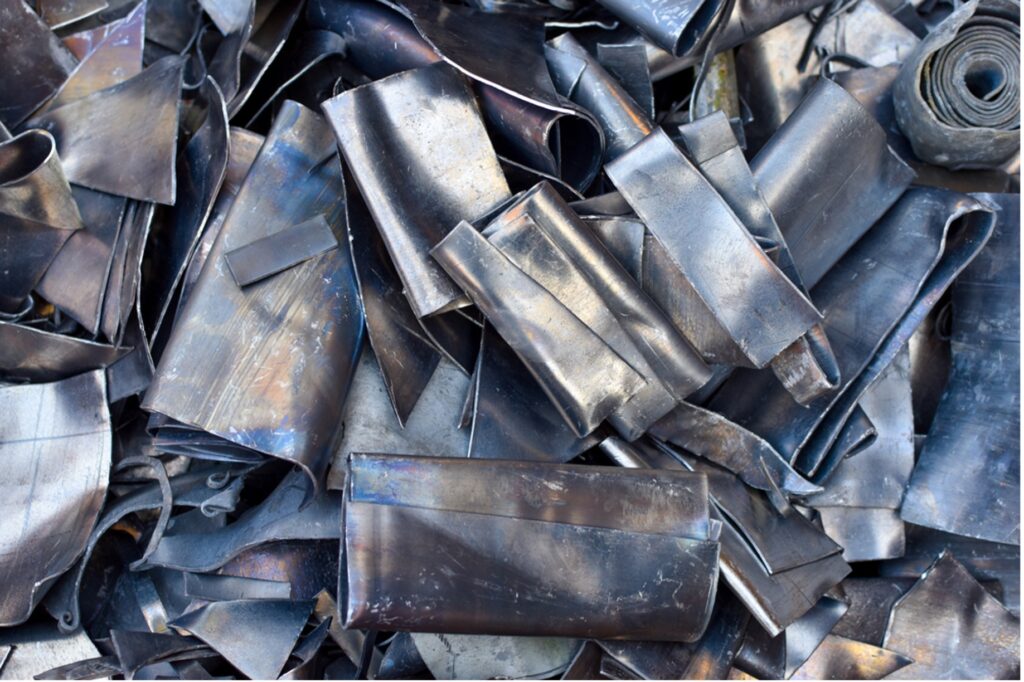
- Purity and Contamination: The presence of unwanted elements or contaminants can weaken the metal or alter its properties. Modern recycling facilities use sophisticated sorting and purification technologies to minimize these risks.
- Alloy Consistency: Maintaining consistent alloy composition is vital, especially for metals like steel and aluminum. Variations can lead to unpredictable mechanical properties.
- Processing Methods: The way recycled metals are melted, refined, and formed impacts their final characteristics. Advanced techniques such as vacuum arc remelting and electrorefining help achieve high-quality results.
- Intended Application: Some uses, such as aerospace or medical devices, require stricter quality controls than others. For many everyday products, recycled metals are more than sufficient to meet performance standards.
Ensuring High Standards When Using Recycled Metals
Manufacturers can take several steps to ensure that products made with recycled metals meet or exceed quality expectations:
- Rigorous Testing: Implementing thorough quality control measures, including tensile strength, hardness, and fatigue testing, helps verify that recycled metals perform as required.
- Supplier Certification: Working with certified recycling facilities ensures traceability and adherence to industry standards.
- Process Optimization: Fine-tuning melting, refining, and alloying processes can help achieve consistent results and minimize variations.
- Material Traceability: Keeping detailed records of material sources and processing steps supports accountability and continuous improvement.
For more insight into sustainable practices in the metal industry, see the article on metal recycling and sustainability.
Benefits and Challenges of Using Recycled Metals
Embracing recycled metals offers several advantages:
- Environmental Impact: Recycling reduces the need for mining, lowers energy use, and cuts greenhouse gas emissions.
- Cost Savings: Using recycled materials can be more economical, especially for high-volume production.
- Resource Conservation: Recycling helps preserve finite natural resources for future generations.
- Market Demand: Many consumers and businesses prefer products with recycled content due to their lower environmental footprint.
However, there are also challenges to consider:
- Quality Control: Ensuring consistent quality requires investment in technology and skilled labor.
- Supply Chain Complexity: Sourcing and tracking recycled materials can be more complex than using virgin metals.
- Perception Issues: Some markets may still perceive recycled materials as inferior, despite evidence to the contrary.
Applications Where Recycled Metals Excel
Many industries have successfully integrated recycled metals without compromising on product strength or reliability. Examples include:
- Construction: Recycled steel and aluminum are used in beams, frames, and cladding.
- Automotive: Car manufacturers use recycled metals for body panels, engine components, and wheels. Learn more about how car parts are recycled for sustainable use.
- Consumer Goods: Appliances, electronics, and packaging often contain significant recycled content.
- Infrastructure: Bridges, railways, and pipelines benefit from the strength and cost-effectiveness of recycled materials.
For stainless steel, in particular, recycling methods ensure that the metal retains its corrosion resistance and mechanical properties. Discover more about recycling stainless steel and its benefits.
FAQ: Recycled Metals and Product Performance
Are products made with recycled metals as strong as those made with new metals?
In most cases, yes. When processed correctly, recycled metals such as steel, aluminum, and copper can match the strength and durability of virgin materials. Quality control and advanced refining techniques are key to ensuring this equivalence.
What are the main risks when using recycled metals in manufacturing?
The primary risks involve contamination and inconsistent alloy composition, which can affect mechanical properties. Working with reputable suppliers and implementing rigorous testing can mitigate these risks.
How can manufacturers ensure high quality when using recycled metals?
Manufacturers should use certified suppliers, maintain strict process controls, and conduct thorough material testing. Traceability and documentation also help ensure consistent quality and performance.
Is there a difference in cost between recycled and virgin metals?
Recycled metals are often more affordable due to lower energy and raw material costs. However, prices can fluctuate based on market demand and the complexity of processing.
Conclusion
The impact of recycled metals on quality and strength is largely positive when best practices are followed. With proper processing, testing, and supplier management, recycled metals can deliver performance on par with new materials. As industries continue to prioritize sustainability, the use of recycled metals will play a vital role in creating strong, reliable, and environmentally responsible products.