
“`html
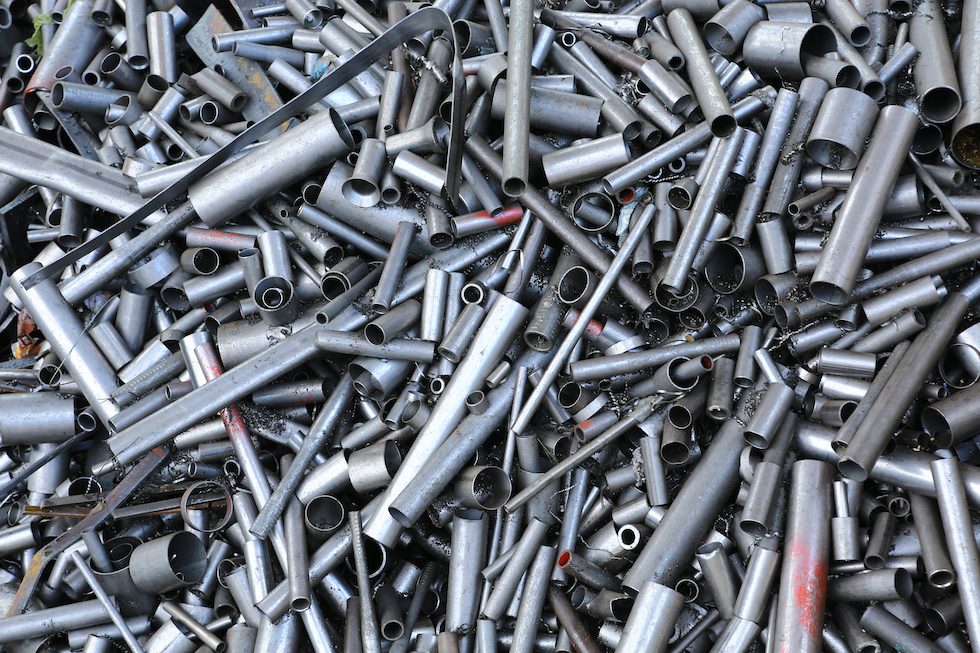
Recycling metal is a crucial process that helps conserve natural resources and reduce waste. However, one of the significant challenges in metal recycling is ensuring that the final product is free from impurities. Removing these contaminants is essential to maintain the quality and usability of recycled metals. In this guide, we will explore various methods and techniques to effectively eliminate impurities from recycled metal, ensuring a high-quality end product.
Understanding the types of metals that can be recycled is essential for effective impurity removal. For more information, you can explore different kinds of recyclable metals.
Understanding Impurities in Recycled Metals
Impurities in recycled metals can come from various sources, including coatings, paints, and other non-metallic materials. These contaminants can affect the properties of the metal, making it less suitable for certain applications. Therefore, identifying and understanding the types of impurities present is the first step in the purification process.
Methods for Removing Impurities
There are several methods used to remove impurities from recycled metals. Each method has its advantages and is suitable for different types of metals and impurities.
Magnetic Separation
Magnetic separation is a widely used technique for removing ferrous impurities from non-ferrous metals. This method involves using magnets to attract and remove metallic impurities. It’s effective for separating iron and steel from other metals.
Chemical Treatment
Chemical treatments involve using specific chemicals to dissolve or react with impurities, allowing them to be separated from the metal. This method is particularly useful for removing coatings and oxides from metal surfaces.
Electrolytic Refining
Electrolytic refining is a process that uses electrical currents to dissolve metal impurities. This method is often used for purifying copper and other non-ferrous metals. It ensures a high level of purity by selectively dissolving unwanted materials.
Advanced Techniques for Purification
For more challenging impurities, advanced techniques may be necessary. These methods often require specialized equipment and expertise.
Thermal Treatment
Thermal treatment involves heating the metal to high temperatures to burn off impurities. This method is effective for removing organic contaminants like oils and paints.
Hydrometallurgical Processes
Hydrometallurgical processes use aqueous chemistry to extract metals from their ores or recycled materials. This method is suitable for metals that are difficult to purify using traditional techniques.
Ensuring Quality in Recycled Metals
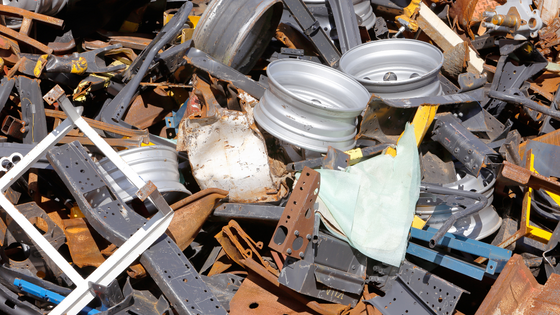
Maintaining the quality of recycled metals is crucial for their usability in various applications. Regular testing and quality control measures should be implemented to ensure that impurities are effectively removed. Additionally, understanding the stamping press vibration control tips can further enhance the precision and quality of metal products.
FAQs
What Are Common Impurities Found in Recycled Metals?
Common impurities include coatings, paints, rust, and non-metallic materials. These can affect the metal’s properties and must be removed for quality assurance.
How Does Magnetic Separation Work?
Magnetic separation uses magnets to attract and remove ferrous impurities from non-ferrous metals, making it effective for separating iron and steel.
Why Is Electrolytic Refining Important?
Electrolytic refining is crucial for achieving high purity levels in metals like copper, as it selectively dissolves impurities, leaving behind a purer metal.
“`