
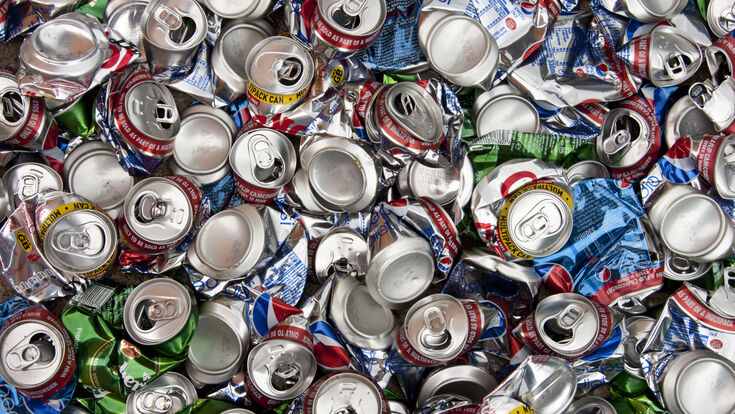
Recycling metal is a crucial process that helps conserve natural resources and reduce environmental impact. However, contamination in the recycling stream can pose significant challenges, affecting the quality and efficiency of the recycling process. Understanding how to minimize contamination in recycling is essential for both individuals and industries involved in metal recovery.
Contamination can occur at various stages, from collection to processing, and can include non-metallic materials, hazardous substances, and mixed metals. Addressing these issues requires a comprehensive approach, including proper sorting, education, and technology implementation.
For more insights on metal recycling, you can explore this introduction to metal recycling which provides a comprehensive overview of the process.
Additionally, understanding the stamping press vibration control tips can enhance precision in metal processing, further reducing contamination risks.
Effective Sorting Techniques
Sorting is a fundamental step in reducing contamination in metal recycling. Proper sorting ensures that different types of metals are separated from each other and from non-metallic materials. Manual sorting, though labor-intensive, is often necessary to ensure accuracy. However, advancements in technology have introduced automated sorting systems that use sensors and magnets to efficiently separate metals.
Implementing these technologies can significantly reduce human error and improve the purity of the recycled metal. It’s important to regularly maintain and calibrate these systems to ensure optimal performance.
Education and Awareness
Raising awareness about the importance of minimizing contamination is crucial. Educating both consumers and workers in the recycling industry can lead to more conscientious practices. Workshops, training sessions, and informational campaigns can help spread knowledge about proper recycling practices and the impact of contamination.
For instance, educating consumers on how to clean and sort their recyclable materials before disposal can greatly reduce contamination at the source. Similarly, training workers on the latest sorting technologies and contamination prevention techniques can enhance the overall efficiency of recycling operations.
Utilizing Advanced Technologies
Advanced technologies play a vital role in minimizing contamination in metal recycling. Innovations such as eddy current separators, optical sorters, and X-ray fluorescence (XRF) analyzers have revolutionized the sorting process. These technologies can detect and separate metals with high precision, reducing the likelihood of contamination.
Investing in these technologies can be costly, but the long-term benefits of improved recycling efficiency and higher quality recycled materials often outweigh the initial expenses. Additionally, staying updated with the latest advancements ensures that recycling facilities remain competitive and effective.
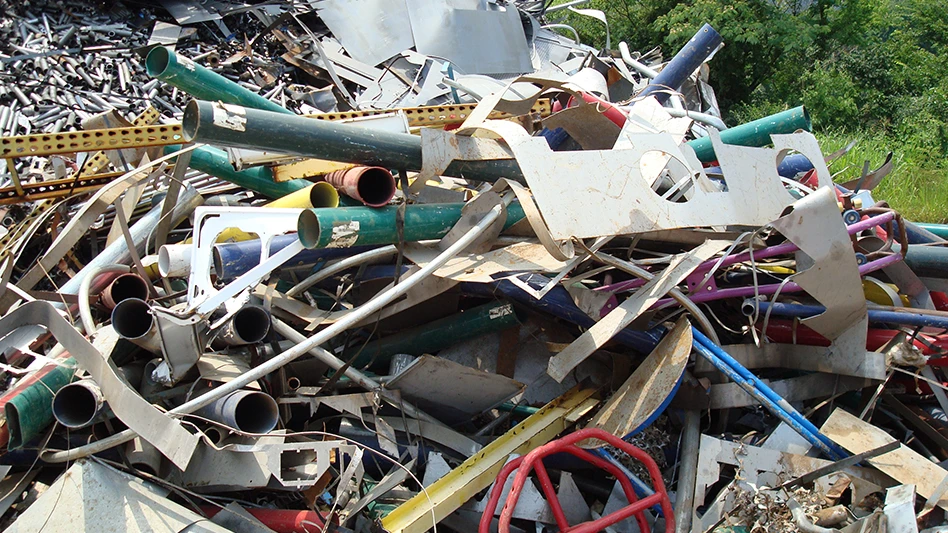
Implementing Quality Control Measures
Quality control is essential in ensuring that the recycled metal meets industry standards. Regular inspections and testing can help identify contamination early in the process. Establishing strict quality control protocols can prevent contaminated materials from entering the recycling stream.
Quality control measures should include both visual inspections and laboratory testing. Visual inspections can quickly identify obvious contaminants, while laboratory tests can detect more subtle impurities. Consistent quality control not only improves the quality of recycled materials but also enhances the reputation of recycling facilities.
FAQs
What are the common contaminants in metal recycling?
Common contaminants include non-metallic materials such as plastics and glass, hazardous substances like oils and chemicals, and mixed metals that are not properly sorted.
How can consumers help reduce contamination?
Consumers can help by cleaning and sorting their recyclable materials before disposal, ensuring that only appropriate items are placed in recycling bins.
What role does technology play in reducing contamination?
Technology plays a crucial role by providing advanced sorting systems that can accurately separate metals and detect impurities, thus improving the quality of recycled materials.