
Understanding how to identify recyclable metals is crucial for anyone interested in sustainable waste management, scrap trading, or simply reducing environmental impact. Metals are among the most valuable recyclable materials, but not all metals are created equal when it comes to recycling. Learning to distinguish between different types of metals ensures that valuable resources are recovered efficiently and that non-recyclable items do not contaminate recycling streams.
Whether you’re sorting scrap at home, working in construction, or managing industrial waste, recognizing which metals can be recycled is a practical skill. This guide covers the most effective methods for distinguishing recyclable metals, including visual cues, simple tests, and industry best practices. For a deeper understanding of the impact of recycled metals on quality, you can explore how recycled content influences product strength and performance.
Why Recognizing Recyclable Metals Matters
Recycling metals conserves natural resources, saves energy, and reduces landfill waste. Proper identification ensures that valuable materials such as aluminum, copper, and steel are recovered and reused, while hazardous or non-recyclable metals are kept out of the recycling process. This not only supports environmental goals but also maximizes the economic value of scrap materials.
Additionally, correctly sorted metals improve the efficiency of recycling facilities and help maintain the quality of recycled products. If you’re interested in the broader benefits, consider reading about energy savings from metal recycling and how these practices contribute to a more sustainable future.
Basic Steps to Distinguish Recyclable Metals
The process of identifying recyclable metals can be broken down into a few straightforward steps. By using simple tools and observational skills, anyone can sort metals effectively.
- Visual Inspection: Examine the color, texture, and markings on the metal. Common recyclable metals like aluminum are lightweight and silvery, while copper is reddish-brown and brass has a yellowish hue.
- Magnet Test: Use a magnet to determine if the metal is ferrous (contains iron) or non-ferrous. Ferrous metals such as steel and iron are magnetic and widely recycled. Non-ferrous metals like aluminum, copper, and brass are not magnetic but are highly valuable in recycling.
- Weight and Density: Pick up the metal to assess its weight. Aluminum is light, while copper and lead are much heavier for their size.
- Spark Test: For advanced identification, grinding the metal lightly and observing the spark pattern can help distinguish between types of steel and other alloys. This method is mainly used in industrial settings.
- Check for Labels or Stamps: Many products have recycling symbols or material codes that indicate the type of metal used.
Common Types of Recyclable Metals and Their Characteristics
Knowing the most frequently recycled metals and their properties makes sorting much easier. Here are some of the primary categories:
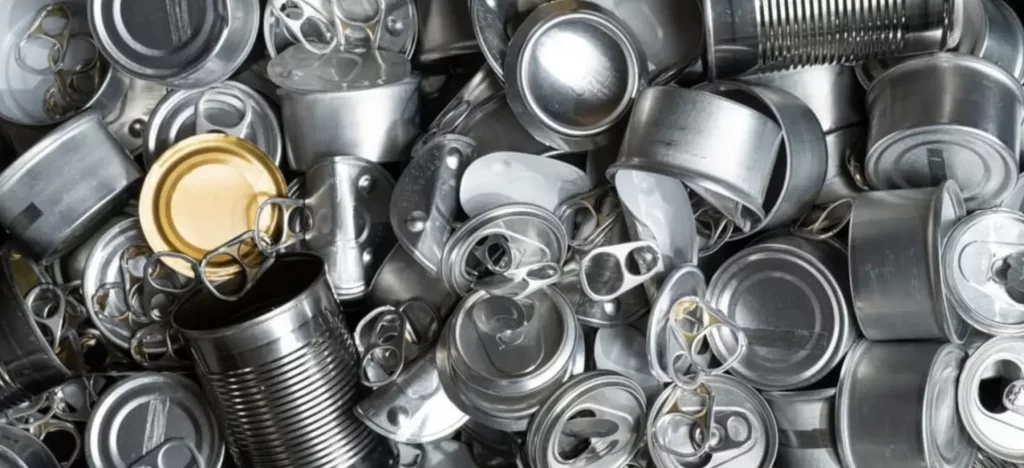
- Aluminum: Lightweight, non-magnetic, and resistant to corrosion. Commonly found in cans, window frames, and some car parts.
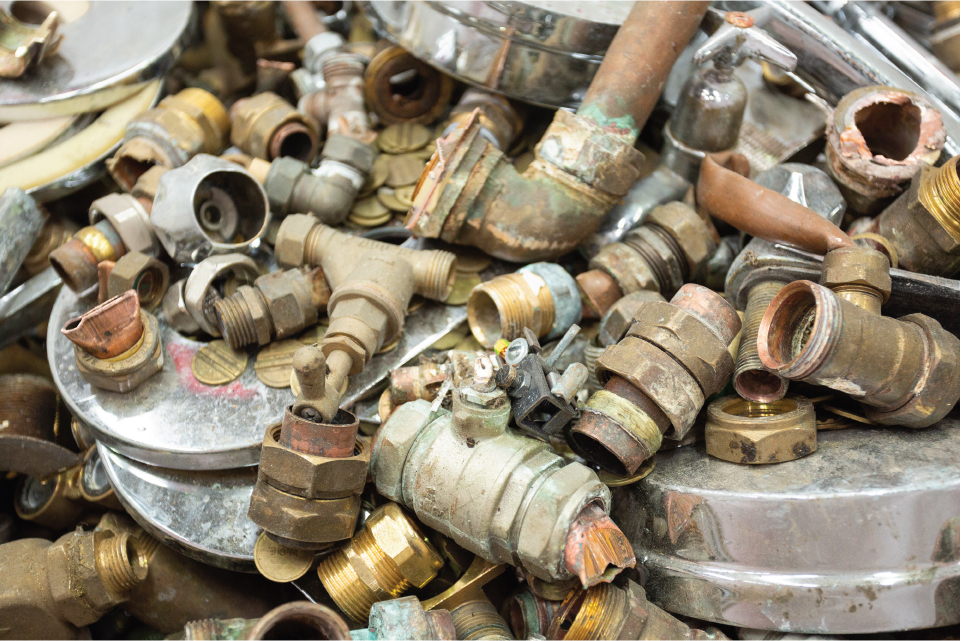
- Copper: Reddish-brown, heavy, and non-magnetic. Used in electrical wiring, plumbing pipes, and electronics.
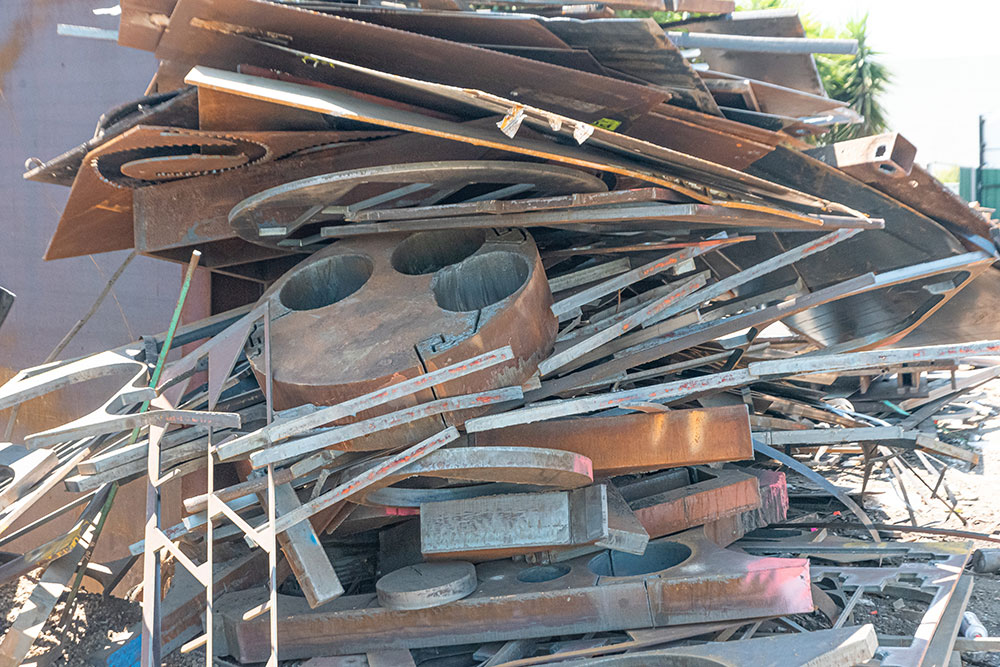
- Steel: Strong, magnetic, and often used in construction beams, appliances, and car bodies.
- Brass: Yellowish, non-magnetic, and heavier than aluminum. Found in plumbing fixtures and musical instruments.
- Lead: Very heavy, dull gray, and non-magnetic. Used in batteries and some piping but requires careful handling due to toxicity.
Practical Tools and Techniques for Metal Identification
While visual and manual tests are effective for most people, there are additional tools and resources that can make the process even more accurate:
- Handheld XRF Analyzers: These devices use X-ray fluorescence to determine the elemental composition of metals. They are commonly used in scrap yards and recycling centers.
- File Test: Filing a small area can reveal the color and texture beneath the surface, which helps in identifying plated or coated metals.
- Reference Charts: Many industry organizations provide charts and guides for recognizing metals based on appearance and properties.
- Online Resources: For more in-depth technical information, this comprehensive guide to metal recycling and identification offers detailed insights.
Tips for Sorting and Preparing Metals for Recycling
Once you’ve identified recyclable metals, proper preparation ensures they are accepted by recycling facilities and fetch the best value:
- Remove Non-Metal Attachments: Take off plastic, rubber, or wood parts from metal items.
- Separate by Type: Keep different metals in separate containers to avoid contamination.
- Clean the Metals: Rinse off dirt, oil, or chemicals to improve recyclability.
- Cut Large Items: Break down bulky items into manageable pieces if possible.
These steps not only help recycling centers process materials more efficiently but also support the circular economy by keeping valuable resources in use.
Environmental and Economic Benefits of Proper Metal Sorting
Accurately sorting and recycling metals has far-reaching benefits. Environmentally, it reduces the need for mining, conserves energy, and cuts greenhouse gas emissions. For more on this, see how recycled metals reduce emissions. Economically, it creates jobs, supports local industries, and can provide a source of income for individuals and businesses that collect and sell scrap.
Manufacturers are increasingly choosing recycled metals for their products due to both cost and sustainability advantages. Learn more about why manufacturers use recycled metals in modern production.
Frequently Asked Questions
What are the easiest ways to tell if a metal is recyclable?
The simplest methods include using a magnet to check for ferrous metals, visually inspecting for common recyclable types like aluminum and copper, and looking for recycling symbols or material codes on the item.
Can painted or coated metals be recycled?
Yes, most recycling centers accept painted or coated metals, but it’s best to remove as much non-metal material as possible. Some coatings may need to be stripped during processing, so check with your local facility for specific guidelines.
Why is it important to separate different metal types before recycling?
Separating metals prevents contamination, ensures higher quality recycled products, and often results in better prices for your scrap. Mixed metals can complicate processing and reduce the efficiency of recycling operations.
Are all metals accepted at recycling centers?
Most common metals like aluminum, copper, steel, and brass are widely accepted. However, some metals containing hazardous materials, such as lead or mercury, may have restrictions. Always check with your local recycler for accepted materials.
Where can I find more technical information about metal recycling?
For in-depth technical details, refer to this comprehensive resource on metal recycling and identification.