
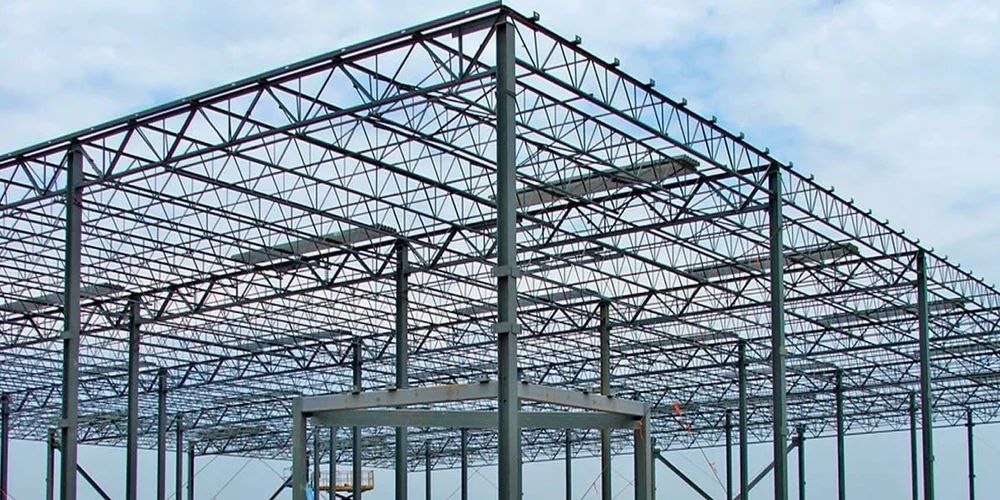
The art of fabricating architectural metal for transportation hubs is a fascinating endeavor that combines engineering precision with aesthetic appeal. In the rapidly growing world of urban development, transportation hubs such as airports, train stations, and bus terminals are pivotal in connecting communities. To meet the demands of modern design and functionality, fabricators must possess a thorough understanding of materials, techniques, and the specific needs of these dynamic environments.
In this article, we will delve into the intricate process of architectural metal fabrication specifically for transportation hubs. We’ll explore the various stages involved, from planning and material selection to the final installation, ensuring that you have a comprehensive guide to mastering this art form.
Understanding Architectural Metal Fabrication
Defining Architectural Metal
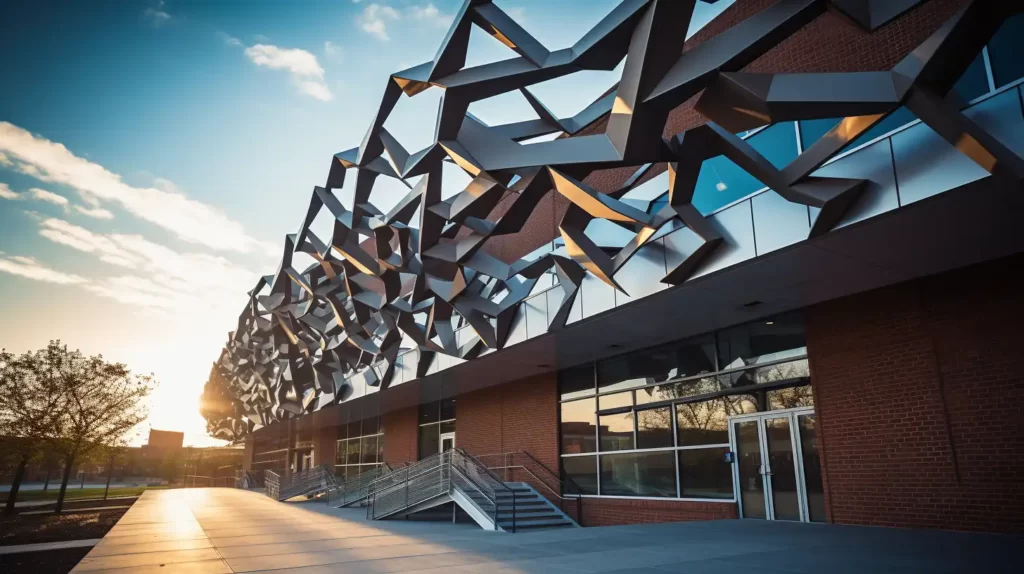
Architectural metals encompass a wide range of materials used in construction for both structural and decorative purposes. These include steel, aluminum, copper, and bronze, each offering unique properties that make them suitable for different applications within transportation hubs. The choice of metal depends on factors such as strength, weight, corrosion resistance, and aesthetic value. For a detailed overview, you can visit this architectural metals article.
The Role of Fabrication in Transportation Hubs
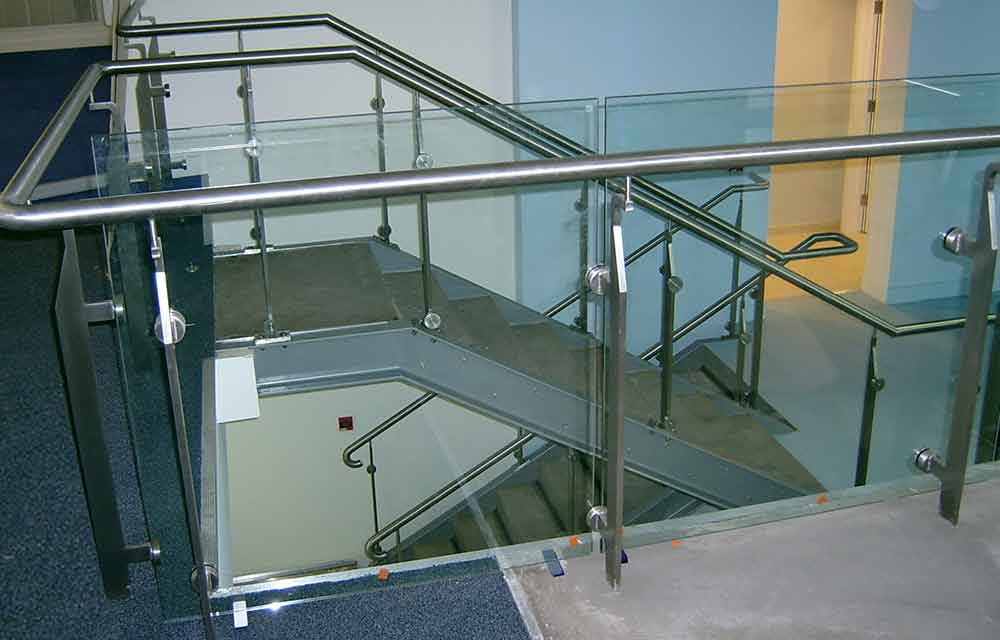
Transportation hubs require robust and visually appealing structures to accommodate the high volume of users. Metal fabrication plays a critical role in achieving this balance, enabling the creation of durable and attractive components such as railings, facades, and support beams. These elements are essential for both the functionality and the aesthetics of the hub.
Planning the Fabrication Process
Initial Design Considerations
The first step in fabricating architectural metal is to understand the project’s design requirements. This involves collaborating with architects and engineers to ensure that the metal components align with the overall vision of the transportation hub. Key considerations include the structural integrity, safety standards, and visual coherence with the surrounding architecture.
Choosing the Right Materials
Material selection is crucial in metal fabrication. For transportation hubs, factors such as load-bearing capacity, environmental exposure, and maintenance needs must be considered. For instance, stainless steel is often chosen for its corrosion resistance, while aluminum is favored for its lightweight properties. More insights on material choices can be found in our article on lightweight metal structures.
Fabrication Techniques and Methods
Cutting and Shaping
The initial stages of metal fabrication involve cutting and shaping the metal to the desired specifications. Techniques such as laser cutting, waterjet cutting, and plasma cutting are commonly used to achieve precise and intricate designs. These methods ensure that each component fits perfectly within the larger structure.
Joining and Assembly
Once the pieces are cut and shaped, they must be joined together. Welding, riveting, and bolting are popular methods for assembling metal components. Each technique offers distinct advantages depending on the material and design requirements. The choice of method affects the strength and durability of the final structure.
Surface Treatment and Finishing
Enhancing Aesthetics and Durability
Surface treatments are applied to enhance the metal’s appearance and protect it from environmental factors. These treatments include painting, powder coating, and anodizing. Each option provides a unique finish and level of protection, allowing for customization based on the project’s needs.
Advanced Surface Treatments
For specialized aesthetic effects, advanced surface treatments such as patination or etching can be employed. These techniques add texture and color to the metal, creating visually stunning results. To explore more, read about metal patina in architectural projects.
Installation and Maintenance
Ensuring Proper Installation
The installation phase is critical to the success of the project. Proper alignment and secure fastening are essential to ensure safety and longevity. Installation teams must be skilled in handling large metal components and equipped with the necessary tools for precise placement.
Regular Maintenance Practices
Once installed, regular maintenance is necessary to preserve the metal’s integrity and appearance. This includes routine inspections, cleaning, and repairs as needed. Implementing a maintenance schedule helps prevent deterioration and extend the life of the architectural metal.
Environmental Considerations
Sustainability in Metal Fabrication
With increasing awareness of environmental impact, sustainable practices in metal fabrication are gaining importance. Using recyclable materials and energy-efficient processes reduces the ecological footprint of transportation hubs. Learn more about eco-friendly practices in our article on sustainable metal projects.
Innovations in Green Fabrication
Innovations such as green coatings and renewable energy sources are being integrated into the fabrication process. These advancements not only reduce environmental impact but also improve the quality and durability of the finished products.
Conclusion
Mastering the art of fabricating architectural metal for transportation hubs requires a blend of technical expertise, creative vision, and environmental consciousness. By understanding the process from design to installation, fabricators can create structures that are not only functional and durable but also aesthetically pleasing and sustainable. Through continuous innovation and adherence to best practices, the future of architectural metal in transportation hubs looks promising and exciting.
FAQs
What are the main types of metals used in transportation hubs?
The main types of metals used include steel, aluminum, copper, and bronze, each selected for their specific properties like strength, weight, and corrosion resistance.
Why is surface treatment important in metal fabrication?
Surface treatment enhances the metal’s appearance and provides protection against environmental factors, ensuring durability and aesthetic appeal.
How can metal fabrication be made more sustainable?
Sustainability can be achieved by using recyclable materials, energy-efficient processes, and innovations like green coatings and renewable energy sources.
This article contains affiliate links. We may earn a commission at no extra cost to you.