
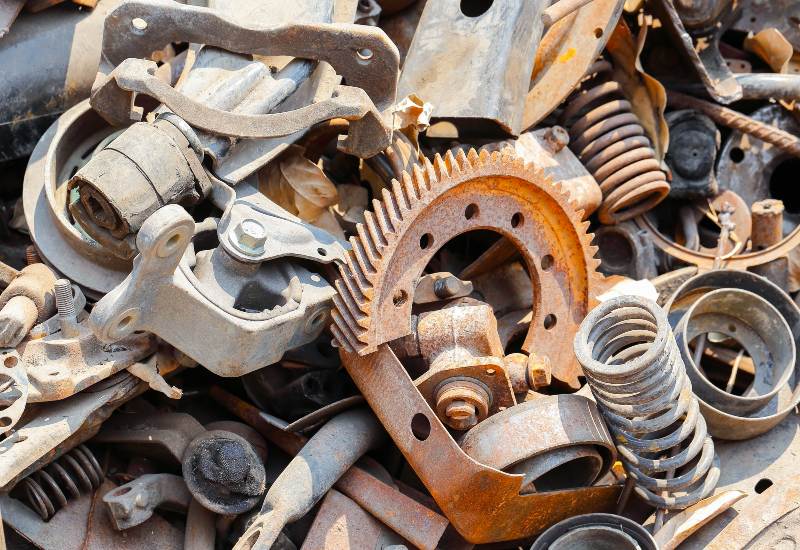
Collecting scrap metal for recycling is a practical way to reduce waste, support sustainability, and even generate extra income. Whether you’re clearing out your garage, managing industrial byproducts, or simply interested in eco-friendly practices, understanding the right approach to gathering and sorting metal waste is essential. This guide will walk you through the steps, tools, and best practices for efficiently gathering metal items for recycling, both at home and in industrial settings.
The process involves more than just picking up old cans or discarded appliances. It requires knowledge of metal types, safe handling, and awareness of local recycling regulations. By learning how to identify, sort, and prepare different metals, you can maximize the value of your efforts and contribute meaningfully to environmental conservation. For those interested in what happens after collection, you can explore what happens to scrap metal once it leaves your hands.
Understanding the Basics of Scrap Metal Collection
Before you start gathering metal waste, it’s important to understand the fundamentals. Scrap metal recycling involves collecting, sorting, and processing discarded metal items so they can be reused in manufacturing. The most common metals found in household and industrial waste streams are ferrous metals (such as steel and iron) and non-ferrous metals (like copper, aluminum, brass, and stainless steel).
Knowing how to distinguish between these types is crucial. Ferrous metals are typically magnetic and prone to rust, while non-ferrous metals are not magnetic and resist corrosion. For a more detailed guide on recognizing recyclable materials, check out how to identify recyclable metals.
Preparing for Scrap Metal Recycling at Home
If you’re starting at home, begin by identifying potential sources of scrap. These can include:
- Old appliances (refrigerators, washing machines, microwaves)
- Broken tools and hardware
- Aluminum cans and foil
- Electrical wiring and plumbing pipes
- Metal furniture or shelving
Gather the necessary safety equipment before handling metal items. Gloves, safety glasses, and sturdy footwear are recommended to prevent injuries from sharp edges or heavy objects. Use basic tools like pliers, screwdrivers, and wrenches to disassemble larger items and separate different metal components.
Sorting and Storing Metal Waste
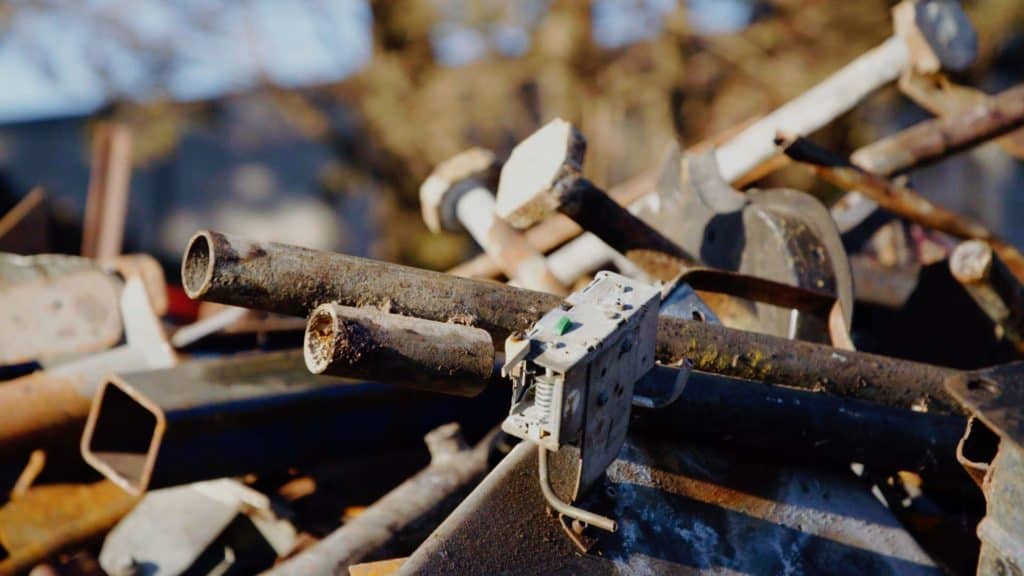
Once you’ve collected metal items, sorting is the next crucial step. Separate ferrous from non-ferrous metals using a magnet—ferrous will stick, non-ferrous will not. Further sort non-ferrous metals by type, such as copper, aluminum, and brass, as these often fetch higher prices at recycling centers.
Store sorted metals in sturdy containers or bins. Label each bin clearly to avoid mixing materials. Keep storage areas dry to prevent rust, especially for ferrous metals. If you’re handling large volumes, consider using pallets or racks to keep materials off the ground.
Industrial Scrap Metal Collection Strategies
For businesses and industrial operations, the scale and complexity of metal recycling increase. Establishing a systematic approach is essential for efficiency and compliance. Key steps include:
- Designating collection points throughout the facility for different metal types
- Training staff on safe handling and sorting procedures
- Scheduling regular pickups with certified recycling partners
- Maintaining accurate records of collected and recycled materials
Many industries generate significant quantities of aluminum, steel, and specialty alloys. Understanding the industrial uses of recycled aluminum and other metals can help businesses optimize their recycling programs and reduce costs.

Maximizing Value and Efficiency in Metal Recycling
To get the most out of your metal recycling efforts, focus on quality and cleanliness. Remove non-metal attachments such as plastic, rubber, or wood from items before recycling. Clean metals are more valuable and easier for recycling centers to process.
Stay informed about current market prices for different metals. Prices can fluctuate, so timing your drop-offs can make a difference in your returns. For those interested in the latest developments, exploring metal recycling technologies can offer insights into new methods and equipment that improve efficiency.
If you’re managing large or bulky items, investing in specialized tools such as shredders or compactors can streamline the process. For home users, manual disassembly and sorting are usually sufficient, but industrial operations benefit from mechanized solutions.
Where to Take Your Scrap Metal
Once your metals are sorted and prepared, the next step is transporting them to a recycling facility. Most communities have local scrap yards or recycling centers that accept a variety of metals. Some facilities may offer pickup services for large quantities.
Before visiting, check the facility’s requirements regarding accepted materials and preparation standards. Bring identification and be prepared to weigh your materials. Many centers pay by weight and type, so keeping metals separated can increase your payout.
For a broader understanding of the recycling process, including what happens after metals are collected, you can read this introduction to metal recycling for additional background and industry context.
Common Mistakes to Avoid When Gathering Scrap Metal
Even with the best intentions, mistakes can reduce the value or safety of your recycling efforts. Some pitfalls to watch out for include:
- Mixing different metals, which can lower payout and complicate processing
- Neglecting safety gear, increasing the risk of cuts or injuries
- Failing to remove non-metal materials, which may cause rejection at recycling centers
- Ignoring local regulations regarding hazardous materials or restricted items
By following best practices and staying organized, you can avoid these issues and ensure your recycling efforts are both safe and profitable.
FAQ
What metals are most valuable for recycling?
Non-ferrous metals like copper, brass, and aluminum typically offer the highest returns. Copper wiring, plumbing pipes, and aluminum cans are especially sought after by recycling centers.
Is it necessary to clean scrap metal before recycling?
Yes, cleaning metals by removing dirt, grease, and non-metal attachments increases their value and makes processing easier for recycling facilities.
Can businesses recycle industrial metal waste efficiently?
Absolutely. By setting up designated collection points, training staff, and partnering with certified recyclers, businesses can efficiently manage and recycle industrial metal waste.
Where can I learn more about using recycled metals in manufacturing?
For insights into the role of recycled metals in production, see can recycled metal replace new metal for an in-depth look at this topic.