
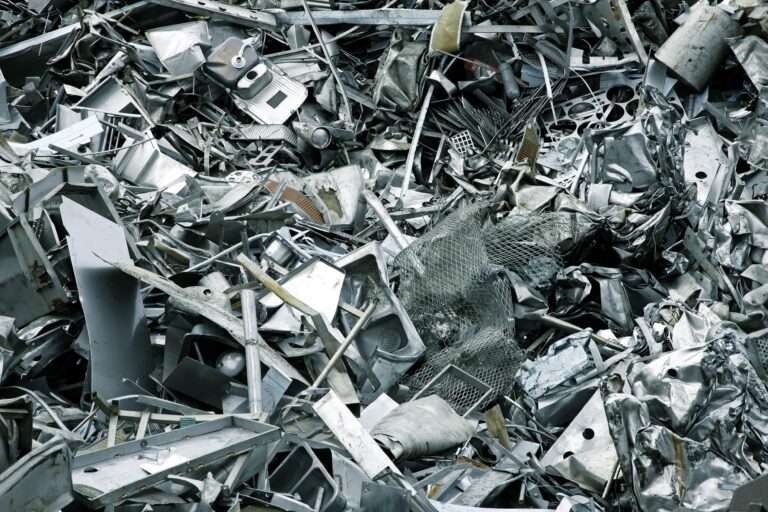
The journey from discarded metal items to valuable raw materials is a complex but essential part of modern industry. Understanding how scrap metal is processed not only highlights the environmental benefits of recycling but also reveals the critical steps that turn waste into new products. This guide breaks down the stages involved in transforming old metal into reusable resources, offering insight into the techniques, technologies, and best practices used throughout the recycling chain.
For those interested in the broader context of metal recycling, you may want to explore what is recycled metal and its role in today’s manufacturing landscape. Now, let’s look at the detailed process that gives scrap metal a second life.
Collection and Sorting: The First Steps in Scrap Metal Processing
The initial phase in how scrap metal is processed begins with the collection of discarded metal from various sources. These include construction sites, manufacturing plants, households, and automotive industries. Once gathered, the metals are transported to recycling facilities where sorting takes place.
Sorting is crucial because different metals require distinct processing methods. Facilities use magnets to separate ferrous metals (such as steel and iron) from non-ferrous metals (like aluminum, copper, and brass). Advanced techniques, including eddy current separators and spectrometers, help further distinguish between metal types, ensuring purity and efficiency in later stages.
For a deeper look at the various metals suitable for recycling, see this overview of types of recyclable metals commonly processed in the industry.
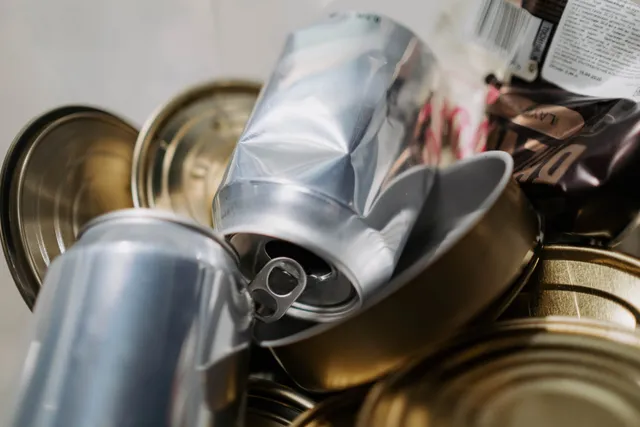
Shredding and Size Reduction: Preparing Metal for Further Treatment
Once sorted, scrap metal must be reduced in size to facilitate easier handling and efficient melting. This stage involves powerful shredders and crushers that break down large items—such as cars, appliances, and industrial equipment—into smaller, manageable pieces.
Shredding not only increases the surface area of the metal, making it easier to melt, but also helps remove non-metallic components like plastics, rubber, or insulation. These contaminants are separated using air classification systems, vibration tables, or flotation tanks, ensuring that the resulting metal fragments are as pure as possible.
Investing in the right shredding equipment can significantly improve processing efficiency. For those seeking machinery for this purpose, consider options like the metal shredding machines available on the market.
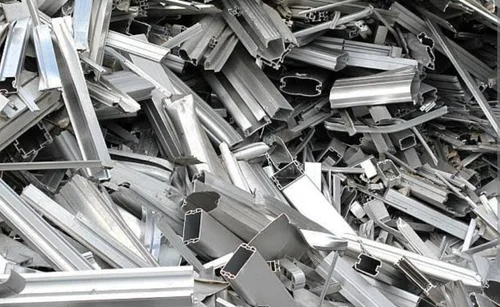
Cleaning and Purification: Ensuring High-Quality Recycled Metal
After size reduction, the next step in the scrap metal recycling process is cleaning and purification. This stage is essential to remove any remaining impurities, coatings, or residues that could affect the quality of the recycled metal.
Common cleaning methods include washing with industrial detergents, using chemical baths, or applying heat to burn off contaminants. For metals like aluminum and copper, additional purification techniques such as electrolysis or advanced filtration may be used to achieve the required level of purity.
Clean, contaminant-free scrap is vital for producing high-grade recycled metal, which is then suitable for use in demanding manufacturing applications. This step also helps reduce emissions and waste during the melting phase.
To understand the environmental and industrial advantages of using recycled materials, check out the benefits of recycled metal in manufacturing and sustainability.
Melting and Refining: Transforming Scrap into Usable Material
The cleaned and sorted scrap is now ready for melting. Specialized furnaces—such as electric arc furnaces for steel or rotary furnaces for aluminum—are used to liquefy the metal at high temperatures. The choice of furnace and melting technique depends on the type of metal and the desired end product.
During melting, further refining processes may be applied to remove any last traces of impurities. Fluxes and other additives can help bind unwanted elements, which are then skimmed off as slag. The molten metal is carefully monitored for composition and quality before being cast into ingots, billets, or other forms suitable for manufacturing.
This stage is energy-intensive, but using recycled scrap instead of virgin ore significantly reduces both energy consumption and greenhouse gas emissions. For a technical overview of the melting and refining process, refer to this in-depth article on scrap metal recycling techniques.
Manufacturing and Reuse: Closing the Recycling Loop
Once the recycled metal has been cast and cooled, it is ready to be used as raw material in various manufacturing processes. Industries such as automotive, construction, electronics, and packaging rely heavily on recycled metals to produce new products.
The use of recycled material not only conserves natural resources but also reduces costs and environmental impact. Manufacturers can melt and reshape these metals multiple times without significant loss of quality, making the recycling loop highly sustainable.
If you’re interested in the full lifecycle of metal recycling, you may find it useful to read more about how metal recycling works and the key techniques involved.
Frequently Asked Questions
What types of metals can be recycled through this process?
Most common metals, including steel, iron, aluminum, copper, brass, and lead, can be recycled using these methods. Each type may require specific sorting and processing techniques, but the overall steps remain similar.
Why is sorting so important in scrap metal processing?
Proper sorting ensures that each metal type is processed using the correct method, which improves purity and efficiency. It also prevents contamination that could lower the quality of the recycled product or damage equipment during melting.
How does recycling scrap metal benefit the environment?
Recycling metals reduces the need for mining, conserves natural resources, and cuts down on energy usage. It also lowers greenhouse gas emissions and helps minimize landfill waste, making it a key part of sustainable manufacturing.