
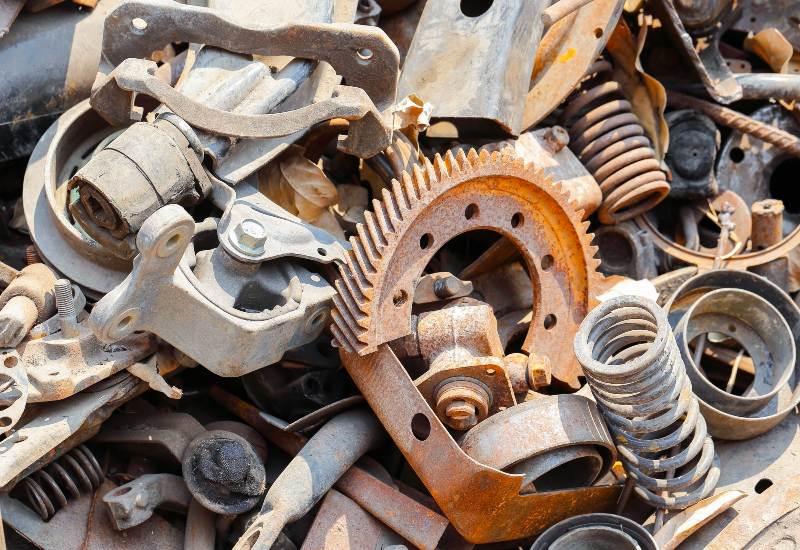
The shift towards a circular economy is transforming how societies manage resources, reduce waste, and promote sustainability. At the heart of this transformation is recycling, a process that allows materials to be reused, reducing the need for new raw materials and minimizing environmental impact. Understanding how recycling supports circular economy principles is essential for businesses, policymakers, and individuals looking to make a positive difference.
By keeping valuable resources in use for as long as possible, recycling helps close the loop between production and consumption. This guide explores the mechanisms, benefits, and practical steps involved in integrating recycling into a regenerative economic model. For more on how recycled materials are used in daily life, see uses of recycled metals in products.
The Role of Recycling in a Regenerative Economic Model
Traditional economic systems often follow a linear path: extract, produce, use, and dispose. This approach leads to resource depletion and growing waste. In contrast, the circular economy emphasizes resource efficiency, reuse, and regeneration. Recycling is a cornerstone of this model, enabling materials like metals, plastics, and paper to be processed and reintroduced into manufacturing cycles.
By diverting waste from landfills and reducing the need for virgin materials, recycling conserves energy and cuts greenhouse gas emissions. For example, recycling aluminum saves up to 95% of the energy required to produce it from raw ore. This not only benefits the environment but also supports economic resilience by reducing dependence on finite resources.
How Recycling Drives Resource Efficiency
One of the main advantages of recycling within a circular economy is its ability to maximize the value extracted from materials. Instead of discarding products at the end of their life, recycling allows for the recovery and reuse of valuable components. This process is especially important in the metal industry, where materials like steel, copper, and aluminum can be recycled indefinitely without losing quality.
The metal recycling and sustainability connection demonstrates how efficient resource management can lead to both environmental and economic gains. By keeping metals in circulation, manufacturers reduce costs and support sustainable production practices.
Closing the Loop: From Waste to New Products
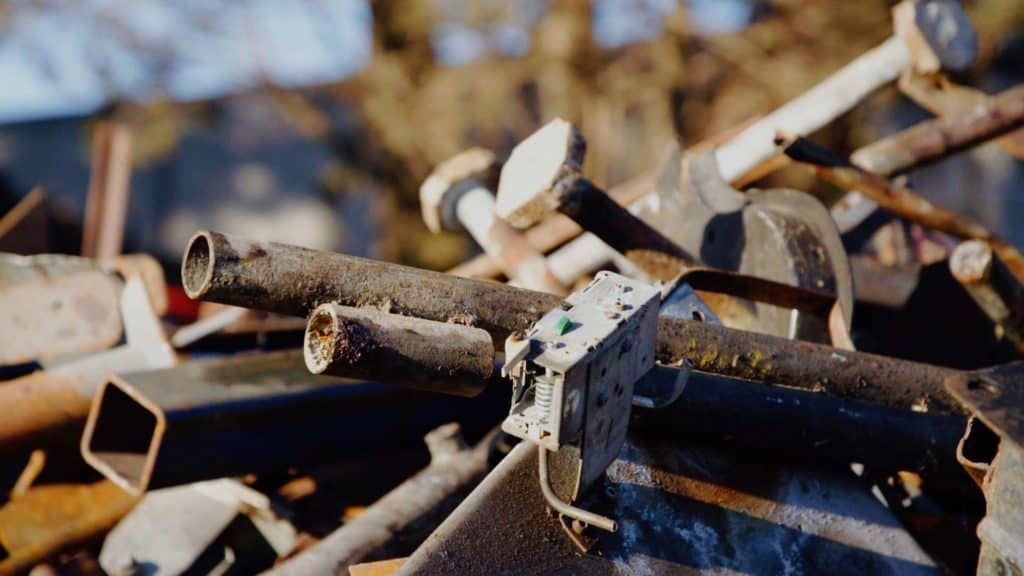
The circular economy relies on closing material loops, where products are designed for durability, repairability, and recyclability. When items reach the end of their useful life, recycling processes recover raw materials that can be used to manufacture new goods. This approach reduces landfill waste and supports a more sustainable supply chain.
For instance, the recycled copper process illustrates how scrap copper is collected, purified, and transformed into new products. This not only conserves resources but also reduces the environmental impact associated with mining and refining.
Benefits for Industry and the Environment
- Reduced resource extraction: Recycling lessens the demand for new raw materials, preserving natural ecosystems.
- Lower energy consumption: Processing recycled materials typically uses less energy compared to producing new ones.
- Decreased emissions: Fewer greenhouse gases are released, supporting climate goals.
- Economic opportunities: Recycling industries create jobs and foster innovation in product design and materials management.
Practical Steps for Integrating Recycling into the Circular Economy
To fully realize the benefits of a circular approach, businesses and individuals can adopt several practical measures:
- Design for recyclability: Manufacturers should prioritize materials and components that are easy to recycle at the end of a product’s life.
- Promote collection and sorting: Effective recycling depends on efficient systems for collecting and sorting waste materials, ensuring high-quality input for recycling facilities.
- Invest in recycling technology: Upgrading equipment, such as shredders and separators, can improve recovery rates and material purity. For those interested in processing scrap metal, consider tools like a metal shredding machine.
- Support markets for recycled products: Purchasing goods made from recycled materials helps create demand and closes the loop between recycling and manufacturing.
- Educate and engage: Raising awareness about the importance of recycling and its role in the circular economy encourages broader participation and innovation.

Recycling Metals: A Key Example of Circularity
Metals are among the most successfully recycled materials globally. Their inherent properties allow for repeated recycling without loss of quality, making them ideal for circular systems. Processes such as recycling stainless steel demonstrate how valuable resources can be reclaimed and used in new products, reducing the need for mining and refining.
The recycling of metals also supports innovation in product design and manufacturing. By using recycled inputs, companies can lower production costs and reduce their environmental footprint. For more details on the specific steps involved in metal recycling, see this overview of metal types and their recycling process.
Challenges and Opportunities in Advancing Circularity
While recycling is a powerful tool for advancing circular economic principles, several challenges remain. Contamination of recyclable materials, lack of infrastructure, and fluctuating market demand can limit the effectiveness of recycling programs. Addressing these obstacles requires coordinated efforts from governments, industry, and consumers.
On the other hand, technological advancements and policy initiatives are creating new opportunities. Improved sorting technologies, extended producer responsibility schemes, and incentives for recycled content are helping to drive progress. As more sectors embrace circularity, the role of recycling will continue to expand.
Frequently Asked Questions
What Is the Circular Economy and How Does Recycling Fit In?
The circular economy is an economic model focused on minimizing waste and making the most of resources. Recycling fits into this model by keeping materials in use and reducing the need for new raw materials, thus supporting sustainability and resource efficiency.
Which Materials Are Most Commonly Recycled in a Circular Economy?
Metals (such as steel, aluminum, and copper), paper, glass, and certain plastics are commonly recycled. Metals are especially valuable because they can be recycled repeatedly without losing quality, making them central to circular systems.
How Can Businesses and Individuals Contribute to a Circular Economy Through Recycling?
Businesses can design products for recyclability, invest in efficient recycling technologies, and purchase recycled materials. Individuals can sort waste properly, support products made from recycled content, and stay informed about local recycling programs.
Conclusion
Embracing recycling as a core strategy is essential for building a more sustainable and resilient economic system. By understanding the connection between recycling and the circular economy, stakeholders at every level can make informed choices that benefit both the environment and the economy. For insights on how specific car components are reclaimed, explore how car parts are recycled.