
The process of recycling metals plays a crucial role in modern manufacturing and sustainability efforts. As industries and consumers become more conscious of resource conservation, understanding how recycling affects metal strength and longevity is essential. Many wonder whether recycled metals can match the performance of newly mined materials, especially in demanding applications. This article explores the science behind metal recycling, the impact on mechanical properties, and what manufacturers and end-users should know about the durability of recycled metals.
Before diving into the technical details, it’s helpful to consider the broader context of metal reuse. From construction to electronics, recycled metals are found in countless products. For a deeper look at the journey scrap metal takes after collection, see what happens to scrap metal.
The Basics of Metal Recycling and Its Influence on Strength
Metal recycling involves collecting, sorting, processing, and remelting scrap materials to produce new metal products. The core concern for many is whether this repeated processing alters the strength and durability of the final product. The answer depends on the type of metal, the recycling method, and the intended application.
In general, most metals can be recycled multiple times without significant loss of core properties. However, certain factors during the recycling process can introduce impurities, change grain structures, or affect alloy composition, all of which may influence mechanical performance.
How Recycling Alters Mechanical Properties in Different Metals
The impact of recycling on metal strength varies between ferrous and non-ferrous metals. Let’s examine some common materials:
- Steel: Steel is one of the most recycled materials worldwide. Modern recycling techniques, such as electric arc furnaces, allow steel to be reused with minimal loss in strength. However, if contaminants like copper or tin are present, they can cause brittleness or reduce ductility.
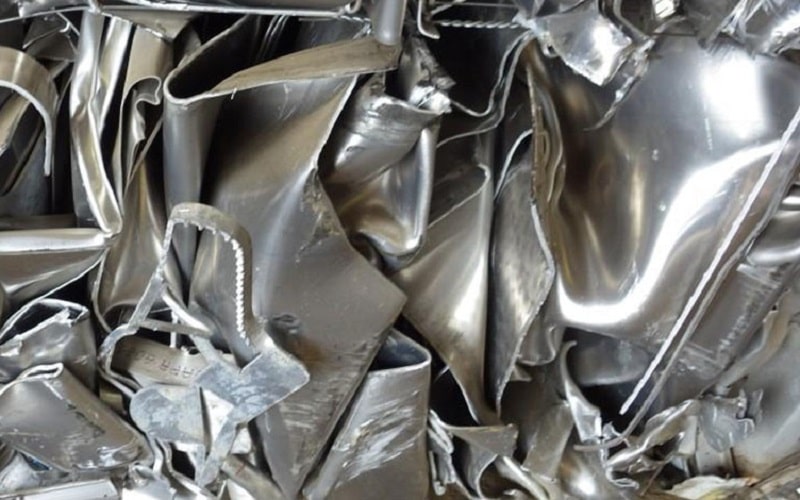
- Aluminum: Recycling aluminum saves up to 95% of the energy required for primary production. The process can slightly affect grain size, but with proper alloying and processing, recycled aluminum can achieve comparable strength to virgin material. For more on this, see industrial uses of recycled aluminum.
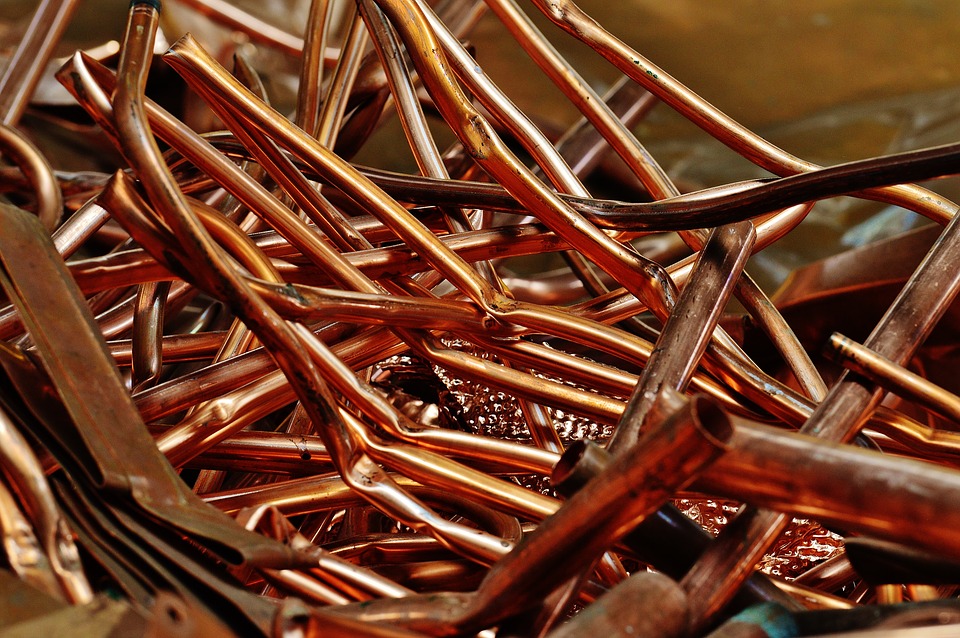
- Copper: Copper retains its conductivity and strength through multiple recycling cycles. However, impurities like phosphorus or lead can accumulate if not properly removed, impacting performance in electrical applications.
Factors That Influence the Strength of Recycled Metals
Several variables determine how recycling affects the performance of metals:
- Contaminant Control: The presence of unwanted elements can weaken the final product. Advanced sorting and purification technologies are essential to maintain quality.
- Processing Techniques: The temperature and duration of melting, as well as the cooling rate, can change the microstructure of metals, impacting their mechanical properties.
- Alloying: Recycled metals are often blended with virgin materials or specific alloying elements to restore or enhance strength.
- Number of Recycling Cycles: While most metals can be recycled many times, repeated cycles without proper quality control may gradually introduce defects or reduce performance.
For those interested in the latest advancements in this field, metal recycling technologies continue to evolve, helping to minimize the negative effects of impurities and improve the reliability of recycled products.
Comparing Recycled and Virgin Metals in Manufacturing
Manufacturers often weigh the benefits and drawbacks of using recycled versus new metals. In many cases, recycled metals offer similar strength and durability, especially when processed with modern techniques. However, for applications demanding the highest purity—such as aerospace or medical devices—virgin metals may still be preferred.
The question of whether reused metals can fully replace new ones is explored in depth in can recycled metal replace new metal. The answer often depends on the specific requirements for strength, ductility, and resistance to fatigue.

Quality Assurance and Testing of Recycled Metals
To ensure that recycled metals meet industry standards, rigorous quality control measures are in place. These include:
- Material Testing: Tensile, hardness, and impact tests verify that recycled metals maintain required mechanical properties.
- Chemical Analysis: Spectroscopy and other methods detect impurities or deviations in alloy composition.
- Certification: Many suppliers provide documentation confirming compliance with relevant standards, giving manufacturers and end-users confidence in the material’s performance.
For more information about which metals can be recycled and how their properties are maintained, see this comprehensive guide to recyclable metals.
Environmental and Economic Benefits of Using Recycled Metals
Beyond the technical aspects, using recycled metals offers significant environmental and economic advantages. Energy consumption is dramatically reduced, greenhouse gas emissions are lower, and natural resources are conserved. These benefits make recycled metals an attractive option for manufacturers aiming to improve sustainability without sacrificing product quality.
Additionally, recycling supports a circular economy, reduces landfill waste, and often lowers material costs. As recycling technologies advance, the gap between recycled and virgin metal performance continues to narrow.
Best Practices for Ensuring Strength in Recycled Metal Products
To maximize the strength and durability of recycled metal components, consider the following best practices:
- Source materials from reputable recyclers with robust quality control systems.
- Specify required mechanical properties and request certification from suppliers.
- Use advanced sorting and purification technologies to minimize contaminants.
- Blend recycled metals with virgin materials when necessary to achieve optimal properties.
- Stay informed about new metal recycling technologies that enhance material performance.
Frequently Asked Questions
Does Recycling Metal Always Reduce Its Strength?
Not necessarily. With modern processing and quality control, most recycled metals retain comparable strength to new materials. However, improper handling or contamination can lead to reduced performance in some cases.
How Many Times Can Metal Be Recycled Before It Loses Durability?
Most metals, such as steel and aluminum, can be recycled many times with minimal loss in durability, provided impurities are controlled and the recycling process is properly managed.
Are Recycled Metals Suitable for All Manufacturing Applications?
Recycled metals are suitable for most applications, especially when quality standards are met. For highly specialized uses requiring ultra-high purity, virgin metals may still be preferred, but advances in recycling continue to expand the range of suitable uses.
How Can I Identify Recyclable Metals?
Identifying recyclable metals is important for effective recycling. For practical tips and methods, visit how to identify recyclable metals.