
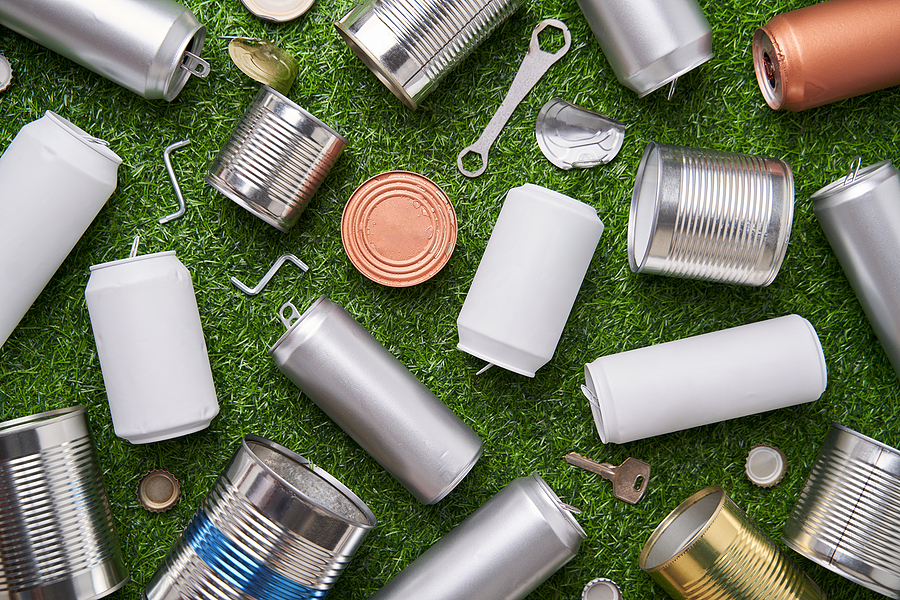
The demand for metals continues to rise as industries expand and infrastructure grows worldwide. However, traditional metal production is energy-intensive and a major contributor to greenhouse gas emissions. As environmental concerns mount, understanding how recycled metals reduce emissions is vital for businesses, policymakers, and consumers seeking sustainable solutions. This article explores the environmental benefits of metal recycling, the processes involved, and the significant impact on carbon reduction.
By reusing existing materials, the recycling industry not only conserves natural resources but also plays a crucial role in lowering the carbon footprint of manufacturing. Before diving into the technical aspects, it’s helpful to consider the many uses of recycled metals in products that touch our daily lives, from electronics to vehicles and construction materials.
The Environmental Impact of Metal Production
Extracting and refining metals from ore is a resource-heavy process. Mining, transportation, and smelting require vast amounts of energy, often sourced from fossil fuels. This leads to high levels of carbon dioxide and other greenhouse gases entering the atmosphere. For example, producing one ton of primary aluminum can emit up to 12 tons of CO2 equivalents, while steel production accounts for nearly 8% of global carbon emissions.
In contrast, recycling metals uses significantly less energy. By processing scrap instead of raw ore, manufacturers can bypass many energy-intensive steps, resulting in a dramatic reduction in emissions. This is where the true value of metal recycling and sustainability becomes clear.
How the Recycling Process Lowers Emissions
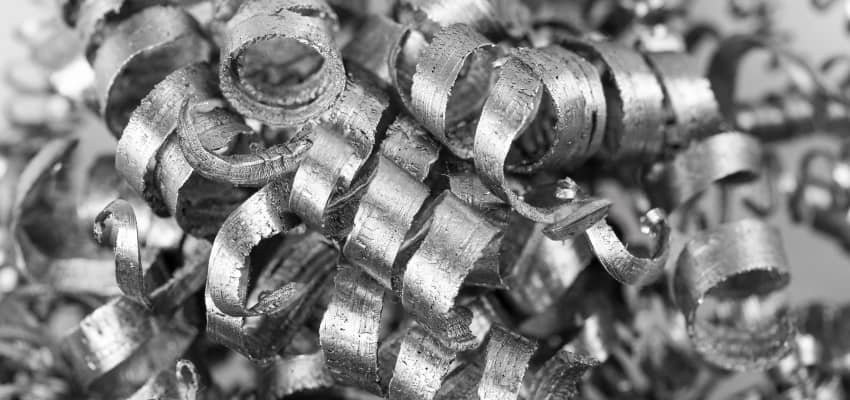
The process of recycling metals involves collecting, sorting, cleaning, and melting down scrap to create new products. Each stage is designed to maximize material recovery while minimizing waste and energy consumption. Here’s how the process typically unfolds:
- Collection and Sorting: Scrap metal is gathered from various sources, including old vehicles, appliances, and industrial waste. It is then sorted by type and quality.
- Processing: The sorted metal is cleaned to remove impurities, then shredded or cut into smaller pieces for easier handling.
- Melting: The prepared scrap is melted in large furnaces. This step uses far less energy than smelting raw ore.
- Purification and Solidification: The molten metal is purified and cast into new shapes, ready for manufacturing.
Each of these steps is optimized to reduce energy use and emissions. For instance, recycling aluminum saves up to 95% of the energy required for primary production, while recycled steel uses about 60% less energy.
Key Ways Recycled Metals Help Cut Carbon Output
There are several mechanisms by which reusing metals leads to lower carbon emissions:
- Reduced Energy Demand: As mentioned, recycling requires much less energy than mining and refining new metals. This directly translates to fewer fossil fuels burned and less CO2 released.
- Lower Industrial Emissions: Smelting and refining raw ore produce not only carbon dioxide but also other pollutants. Using recycled feedstock reduces the need for these polluting processes.
- Conservation of Resources: Recycling preserves finite mineral resources and reduces the environmental impact of mining, such as habitat destruction and water pollution.
- Support for Circular Economy: By keeping materials in use longer, recycling supports a sustainable, circular model that minimizes waste and emissions across the lifecycle of metal products.
These benefits are especially important for industries like construction, automotive, and electronics, where metals are used extensively. For a closer look at how specific metals are recycled, see our detailed guide on the recycled copper process.
Types of Metals and Their Emission Savings
Not all metals offer the same carbon savings when recycled, but the impact is significant across the board. Here’s a quick overview:
| Metal | Energy Savings (vs. Primary Production) | CO2 Reduction |
|---|---|---|
| Aluminum | Up to 95% | Up to 9 tons per ton recycled |
| Steel | About 60% | 1.5 tons per ton recycled |
| Copper | Up to 85% | 3.5 tons per ton recycled |
| Stainless Steel | 60–70% | Significant reduction |
For more on the specific methods and environmental benefits, our article on recycling stainless steel provides further insights.
Industry Practices and the Path Forward
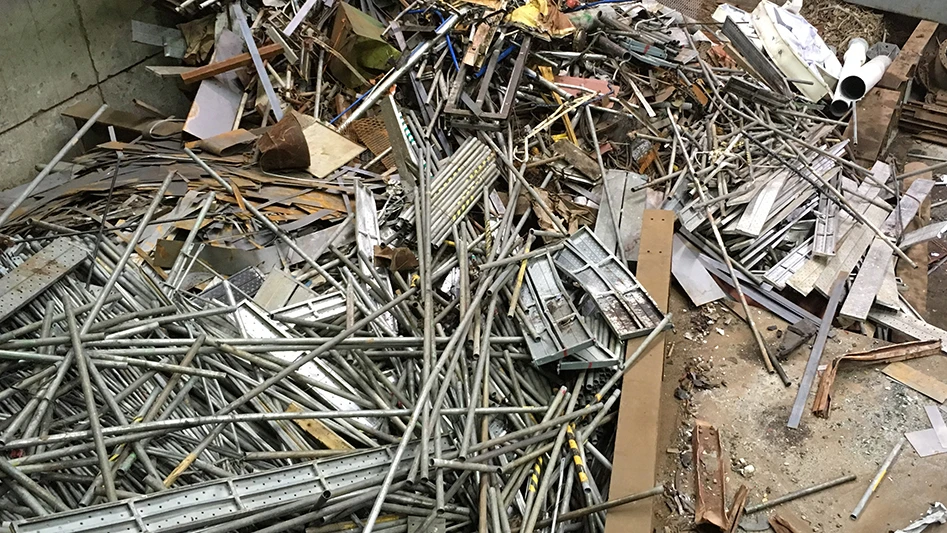
Many industries are adopting best practices to maximize the environmental benefits of metal recycling. From improved collection systems to advanced sorting technologies, these efforts are making recycling more efficient and accessible. Companies are also investing in cleaner energy sources for their recycling operations, further reducing emissions.
To learn more about industry-wide efforts, see our overview of metal recycling and sustainability, which highlights key practices and innovations shaping the sector.
On a policy level, governments are introducing incentives and regulations to encourage recycling and lower industrial emissions. These measures include landfill taxes, extended producer responsibility, and support for research into new recycling technologies.
What Metals Can Be Recycled?
Most common metals can be recycled repeatedly without losing their properties. This includes aluminum, steel, copper, brass, and stainless steel. For a comprehensive list and more details, refer to this guide to recyclable metals.
Frequently Asked Questions
How does recycling metals help fight climate change?
Recycling metals significantly reduces the energy required for production, which in turn lowers greenhouse gas emissions. By minimizing the need for new mining and refining, recycling helps decrease the overall carbon footprint of metal products and supports global efforts to combat climate change.
Which metals offer the greatest emission savings when recycled?
Aluminum provides the highest energy and emission savings, with up to 95% less energy used compared to primary production. Copper and steel also offer substantial reductions, making them top priorities for recycling programs.
Can recycled metals be used in all types of products?
Yes, recycled metals retain their original properties and can be used in a wide range of applications, from construction and transportation to electronics and packaging. For examples of everyday uses, see our article on the uses of recycled metals in products.
What are some challenges facing the metal recycling industry?
Challenges include contamination of scrap, fluctuating market prices, and the need for advanced sorting technologies. However, ongoing innovation and supportive policies are helping to overcome these barriers and expand recycling rates globally.
How can individuals contribute to reducing emissions through metal recycling?
Individuals can participate by properly sorting and disposing of metal waste, supporting products made with recycled content, and advocating for local recycling programs. Every effort helps reduce the demand for new metal extraction and lowers overall emissions.