
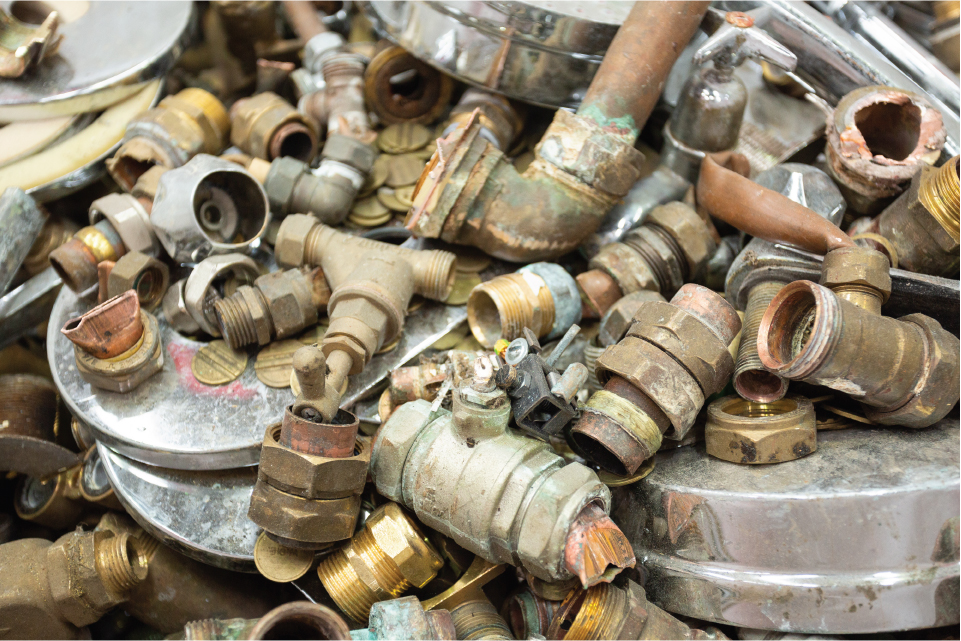
The use of recycled metal has become a cornerstone of modern manufacturing, offering both environmental and economic benefits. As industries strive to reduce waste and conserve resources, integrating recycled materials into production processes is more important than ever. This guide explores the practical ways in which reclaimed metals are transformed and utilized across various sectors, highlighting the advantages and key considerations for manufacturers.
Understanding how recycled metal is used in manufacturing not only helps businesses make informed decisions but also supports broader sustainability goals. For a deeper look at the origins and definitions of recycled metals, you can read about what is recycled metal and its role in modern industry.
Why Manufacturers Choose Recycled Metals
Manufacturers across the globe are increasingly turning to recycled metals for several compelling reasons. First and foremost, using reclaimed materials significantly reduces the need for virgin ore extraction, which is energy-intensive and environmentally disruptive. This shift helps lower greenhouse gas emissions and conserves natural resources.
Additionally, recycled metals often cost less than newly mined materials, providing manufacturers with a competitive edge. The consistent quality of modern recycling processes ensures that these materials meet strict industry standards, making them suitable for a wide range of applications. For more on the benefits of recycled metal for both the environment and manufacturing, see our detailed overview.
Key Steps in the Metal Recycling Process
Before recycled metal can be used in manufacturing, it must undergo a series of processing steps to ensure purity and usability. The general process includes:
- Collection: Scrap metal is gathered from various sources, including industrial waste, end-of-life vehicles, and discarded consumer products.
- Sorting: Metals are separated by type (ferrous and non-ferrous) using magnets, sensors, and manual sorting techniques.
- Shredding and Melting: The sorted metal is shredded into smaller pieces, then melted in large furnaces designed for specific metal types.
- Purification: Advanced methods such as electrolysis or chemical treatments remove impurities, ensuring the recycled metal meets quality standards.
- Solidification and Transport: The purified metal is formed into ingots, sheets, or other shapes, ready for delivery to manufacturers.
For a more comprehensive breakdown of these techniques, visit our guide on how metal recycling works and the key processes involved.
Common Types of Recycled Metals in Production
A wide variety of metals are reclaimed and reused in manufacturing. The most prevalent include:
- Steel: Used extensively in construction, automotive, and appliance manufacturing due to its strength and recyclability.
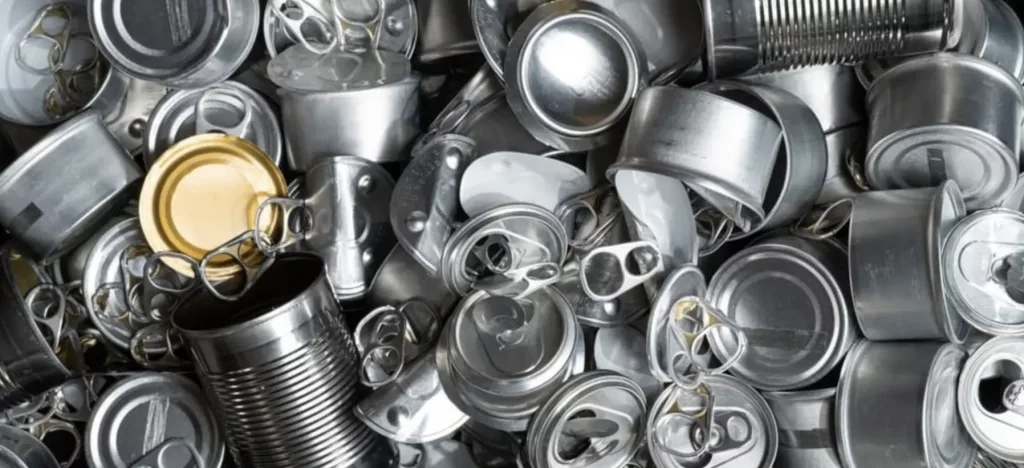
- Aluminum: Favored for its lightweight properties, aluminum is commonly found in packaging, transportation, and electronics.
- Copper: Essential for electrical wiring and plumbing, recycled copper maintains high conductivity and durability.
- Other Metals: Lead, zinc, and precious metals like gold and silver are also recycled for use in batteries, electronics, and specialized equipment.
For more details on the types of recyclable metals and their unique properties, explore our dedicated resource.
How Recycled Metal Is Integrated Into Manufacturing Processes
The integration of recycled metals into manufacturing varies by industry and product requirements. Here are some of the most common applications:
Automotive and Transportation Sectors
Car manufacturers use significant amounts of recycled steel and aluminum in vehicle frames, engine components, and body panels. This not only reduces production costs but also helps meet sustainability targets. Railways, ships, and aircraft manufacturers similarly rely on recycled metals for structural and mechanical parts.
Construction and Infrastructure
The construction industry is a major consumer of recycled steel and aluminum. These materials are used in beams, rebar, roofing, and window frames. Utilizing recycled content helps builders comply with green building standards and reduces the overall carbon footprint of new structures.
Consumer Goods and Electronics
Many household appliances, electronics, and packaging materials incorporate recycled metals. For example, aluminum cans and copper wiring in electronics are often made from previously used materials. This approach conserves resources and supports the circular economy.

Environmental and Economic Impacts
Incorporating recycled metals into manufacturing delivers clear environmental advantages. It reduces landfill waste, conserves energy, and limits the need for raw material extraction. According to industry experts, recycling aluminum saves up to 95% of the energy required to produce new aluminum from ore.
Economically, manufacturers benefit from lower material costs and increased supply chain resilience. The use of recycled metals also supports job creation within the recycling sector and helps companies meet regulatory requirements for sustainable production.
For an in-depth introduction to the topic, consider reading this comprehensive overview of metal recycling and its importance in today’s industrial landscape.
Challenges and Best Practices for Using Recycled Metals
While the advantages are clear, manufacturers must address several challenges when using recycled metals. These include ensuring consistent material quality, managing contamination risks, and adapting production processes to accommodate recycled content.
- Quality Control: Implement rigorous testing and certification to verify the properties of recycled metals.
- Supplier Partnerships: Work with reputable recycling facilities that follow industry standards and provide traceability.
- Process Adaptation: Adjust manufacturing techniques as needed to accommodate variations in recycled material composition.
By following best practices, manufacturers can maximize the benefits of recycled metals while minimizing potential drawbacks.
Frequently Asked Questions
What are the main benefits of using recycled metal in manufacturing?
The primary advantages include reduced environmental impact, lower energy consumption, cost savings, and decreased reliance on raw material extraction. Using recycled metals also helps companies achieve sustainability goals and comply with environmental regulations.
Which industries use the most recycled metal?
The automotive, construction, packaging, and electronics industries are among the largest consumers of recycled metals. These sectors rely on reclaimed materials for everything from vehicle frames and building structures to beverage cans and electrical wiring.
How do manufacturers ensure the quality of recycled metals?
Quality assurance involves thorough sorting, purification, and testing processes. Manufacturers often partner with certified recycling facilities and use advanced analytical techniques to verify that recycled metals meet required specifications.