
“`html
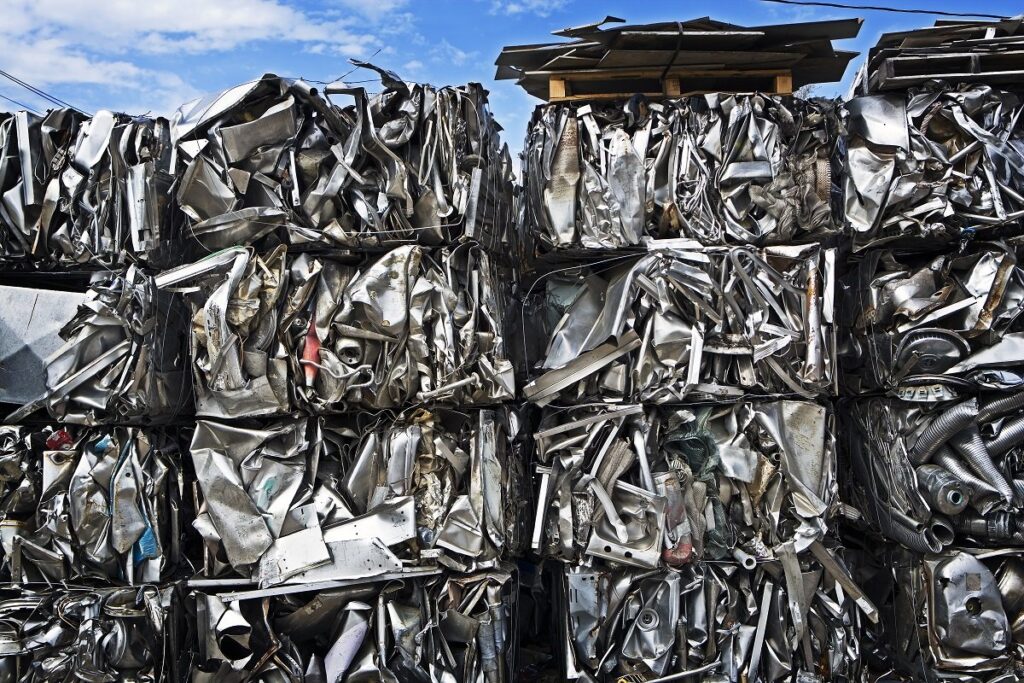
Recycling metal has become an integral part of sustainable manufacturing processes. By reusing metals, industries can significantly reduce their environmental footprint and enhance the longevity of their products. This guide explores the impact of recycled metals on the lifecycle of products, highlighting the benefits and processes involved.
Understanding the role of recycled metals in manufacturing can also improve efficiency and cost-effectiveness. For instance, companies focusing on stamping press vibration control tips can benefit from using recycled materials to enhance precision and reduce waste.
The Role of Recycled Metals in Manufacturing
Recycled metals play a crucial role in modern manufacturing by reducing the need for raw material extraction. This not only conserves natural resources but also decreases energy consumption. The use of recycled metals can lead to a reduction in production costs, which is beneficial for both manufacturers and consumers.
For industries that rely heavily on metal components, such as automotive and construction, incorporating recycled metals can lead to significant improvements in product lifecycle management. By understanding metal types and their recycling process, companies can optimize their manufacturing strategies.
Benefits of Using Recycled Metal
There are numerous benefits to using recycled metals in product manufacturing. These include:
- Environmental Impact: Recycling metals reduces greenhouse gas emissions and conserves energy compared to mining new metals.
- Cost Efficiency: Recycled metals are often cheaper than new metals, allowing for cost savings in production.
- Resource Conservation: By using recycled materials, industries help preserve natural resources for future generations.
Challenges in Recycling Metals
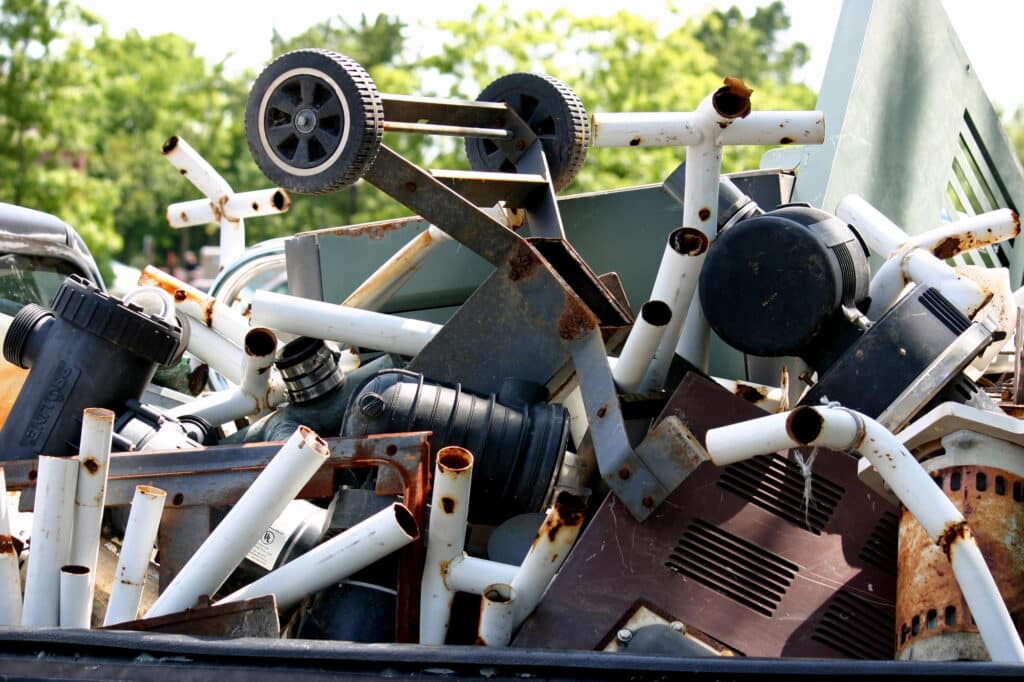
Despite the advantages, recycling metals also presents challenges. The recycling process can be complex and requires significant energy and resources. Additionally, the quality of recycled metals can vary, affecting the final product’s performance. Industries must invest in advanced technologies to ensure the quality and efficiency of recycled metals.
Future of Recycled Metals in Product Lifecycle
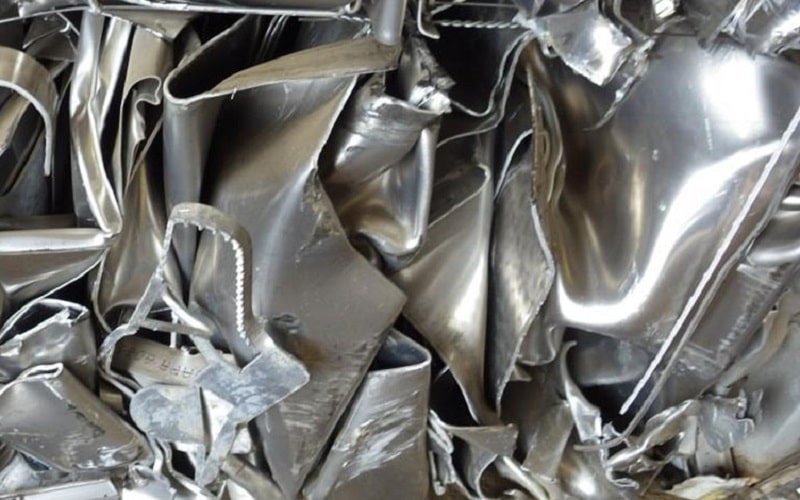
The future of recycled metals in product lifecycles looks promising. As technology advances, the efficiency and quality of recycled metals are expected to improve. This will further enhance their role in sustainable manufacturing and contribute to a circular economy.
Companies focusing on impact of press speed on part accuracy can leverage recycled metals to achieve better precision and sustainability in their operations.
FAQs
What are the environmental benefits of using recycled metals?
Using recycled metals reduces greenhouse gas emissions, conserves energy, and minimizes the need for mining new materials, thus protecting natural resources.
How does recycled metal affect production costs?
Recycled metals are generally more cost-effective than new metals, allowing manufacturers to reduce production costs and improve profitability.
What challenges do industries face when using recycled metals?
Industries face challenges such as ensuring the quality of recycled metals and managing the complex recycling processes that require significant energy and resources.
“`