
Understanding how metal recycling works is essential for anyone interested in sustainability, resource conservation, or efficient waste management. The process of transforming discarded metal into reusable materials not only conserves natural resources but also reduces energy consumption and environmental impact. This article offers a clear overview of the stages involved, the main techniques used, and the types of metals that can be recycled. Whether you’re curious about the journey of a soda can or want to know how industrial scrap is handled, you’ll find practical insights here.
For those who want to dive deeper into the specifics, you can learn more about the different types of metal that can be recycled and their unique properties.
The Basics of Metal Recovery and Reuse
The journey of metal recycling begins with collection and ends with new products ready for use. The process is designed to extract maximum value from scrap while minimizing waste. By reprocessing metals, industries can avoid the environmental costs of mining and refining raw materials. The main steps include collection, sorting, processing, melting, purification, and finally, solidification into usable forms.
Collection and Sorting: The First Steps in Metal Recycling
The initial stage in how metal recycling works involves gathering discarded metal from various sources. This includes household items, industrial scrap, construction debris, and even end-of-life vehicles. Once collected, metals are sorted based on type and quality. Sorting is crucial because different metals require different handling and processing methods.
Sorting can be done manually or with the help of machines. Magnets are commonly used to separate ferrous metals (which contain iron) from non-ferrous ones like aluminum, copper, and brass. Advanced facilities may also use sensors, eddy current separators, and X-ray technology to further refine the sorting process.
Shredding and Processing: Preparing Metals for Reuse
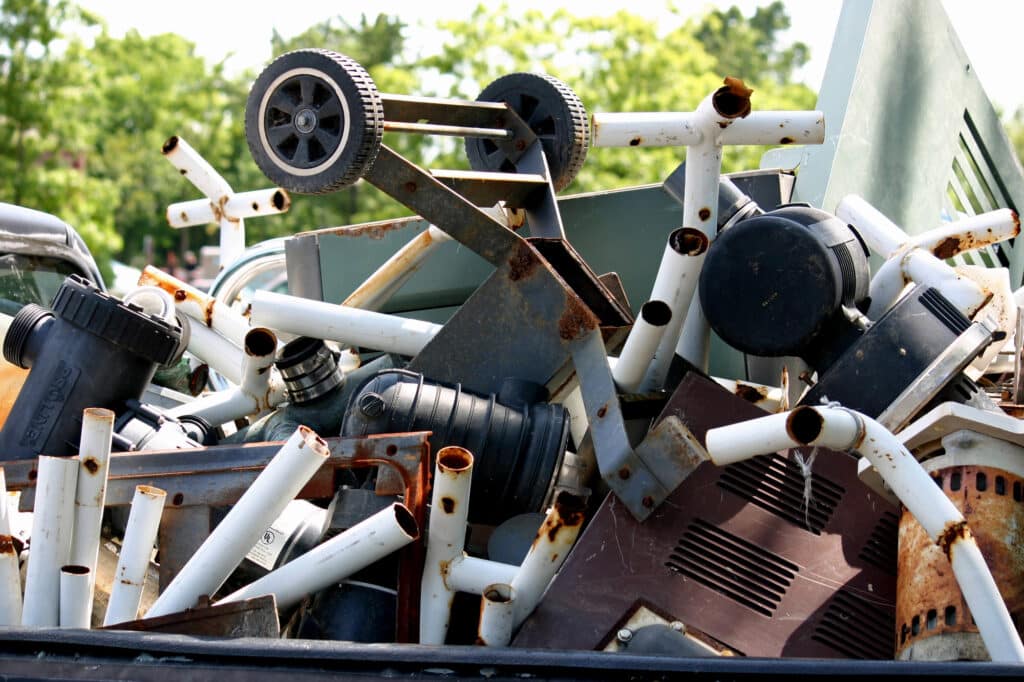
After sorting, metals are processed to reduce their size and prepare them for melting. Shredding is a common technique, especially for bulky items like cars or appliances. Industrial shredders break down large pieces into smaller fragments, making them easier to handle and melt. This step also increases the surface area, which helps speed up the melting process and improves energy efficiency.
Once shredded, metals are cleaned to remove paint, coatings, plastics, or other contaminants. Cleaning can involve mechanical abrasion, chemical baths, or high-pressure washing. Clean, well-prepared scrap ensures higher quality in the final recycled product.
Melting and Purification: Turning Scrap into Raw Material
The next phase in metal recycling is melting. Scrap metal is loaded into large furnaces designed for specific metal types. For example, aluminum, copper, and steel each require different temperatures and furnace technologies. The melting process can take anywhere from a few minutes to several hours, depending on the volume and type of metal.
During melting, impurities are removed through various purification methods. Some facilities use electrolysis, while others rely on chemical treatments or fluxes that bind with contaminants and separate them from the molten metal. Purification is vital to ensure the recycled metal meets industry standards for strength, durability, and appearance.
Solidification and Manufacturing: Completing the Cycle
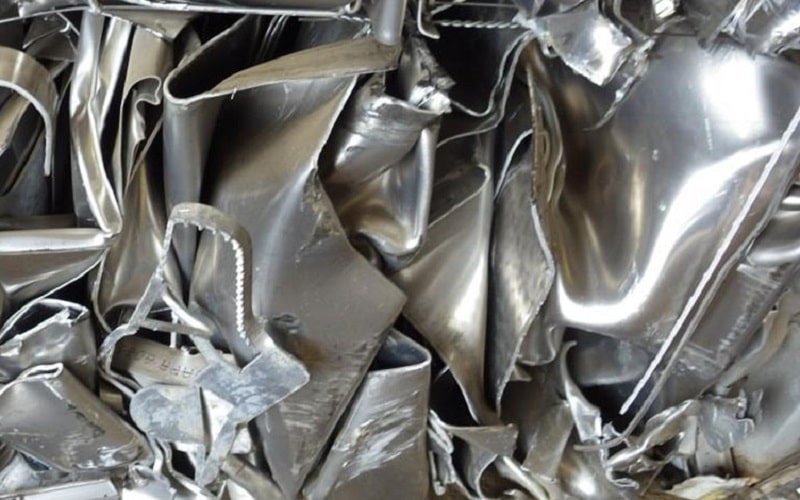
Once purified, the molten metal is poured into molds or cast into specific shapes such as bars, rods, or sheets. This solidification process allows the metal to be transported and used as raw material in manufacturing. Recycled metals are commonly used in the automotive, construction, packaging, and electronics industries.
The quality of recycled metal is often comparable to that of newly mined material. In some cases, recycled metals can even be more cost-effective and environmentally friendly, making them a preferred choice for many manufacturers.
Key Techniques in Modern Metal Recycling
Several advanced methods are used in the recycling industry to maximize efficiency and output. Some of the most important techniques include:
- Magnetic Separation: Used to quickly separate ferrous from non-ferrous metals.
- Eddy Current Separation: Ideal for sorting non-ferrous metals like aluminum and copper.
- Sensor-Based Sorting: Employs optical, X-ray, or infrared sensors to identify and separate metals based on their properties.
- Electrolytic Refining: Used for high-purity metals such as copper, where electricity helps remove impurities.
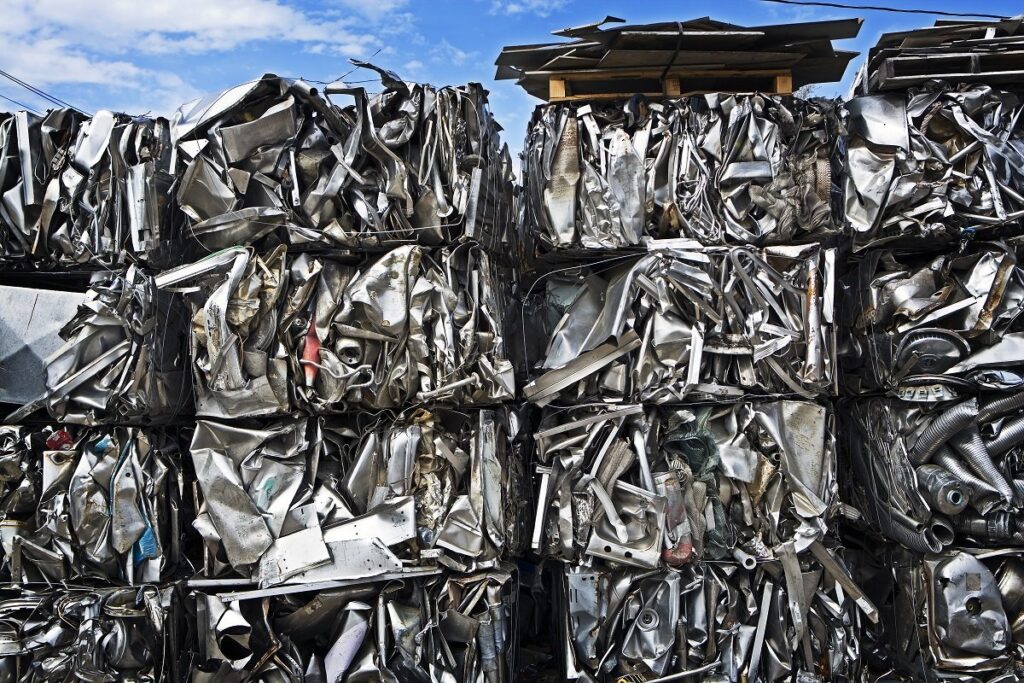
- Shearing and Baling: Cuts and compresses scrap into manageable sizes for transport and processing.
Types of Metals Commonly Recycled
The most frequently recycled metals fall into two categories: ferrous and non-ferrous. Ferrous metals, such as steel and iron, are magnetic and widely used in construction and manufacturing. Non-ferrous metals include aluminum, copper, brass, and lead. These are valued for their resistance to corrosion and lighter weight.
Each type of metal has its own recycling process and end uses. For example, recycled aluminum is often used in beverage cans and automotive parts, while recycled steel is essential for building infrastructure and machinery.
Environmental and Economic Benefits
The advantages of metal recycling go beyond conserving resources. Recycling metals uses significantly less energy compared to extracting and refining raw ore. For instance, recycling aluminum saves up to 95% of the energy required for primary production. This reduction in energy use translates to lower greenhouse gas emissions and less environmental pollution.
Economically, recycling supports jobs in collection, processing, and manufacturing. It also helps stabilize metal prices by providing a steady supply of raw materials, reducing dependence on volatile global mining markets.
Frequently Asked Questions
What metals can be recycled?
Most metals can be recycled, including steel, iron, aluminum, copper, brass, and lead. Some precious metals like gold and silver are also recyclable. The process may vary depending on the metal’s properties and contamination level.
Is recycled metal as strong as new metal?
Yes, recycled metals generally retain their original strength and properties. With proper purification and processing, recycled metal can be used in demanding applications such as construction, automotive manufacturing, and electronics.
How does metal recycling help the environment?
Recycling metals conserves natural resources, reduces the need for mining, and cuts down on energy use. This leads to lower carbon emissions, less pollution, and a smaller environmental footprint overall.