
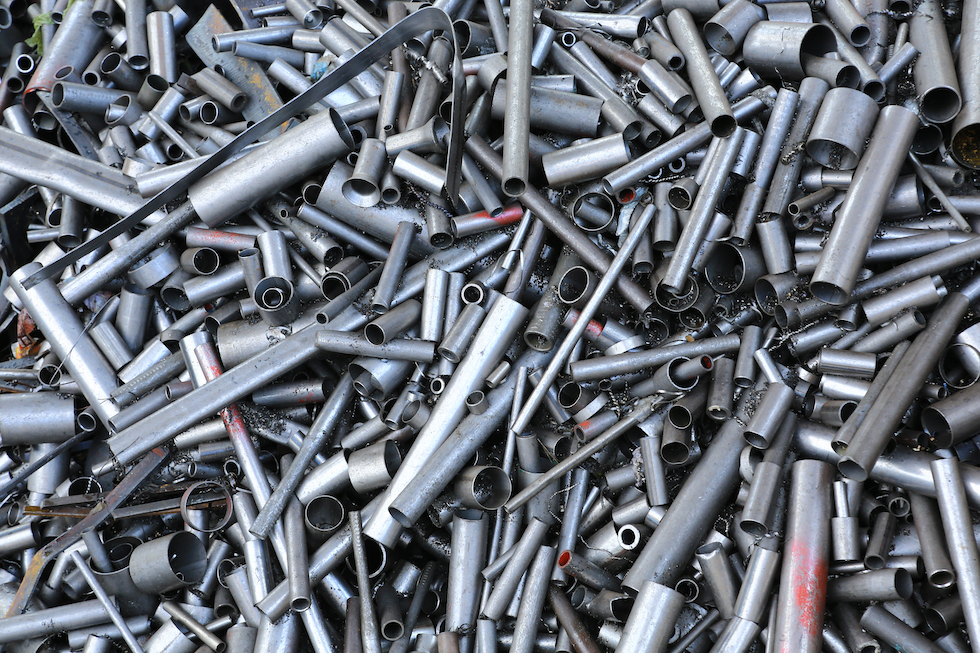
As communities and industries strive for more sustainable waste management, metal recycling stands out as a practical solution for minimizing the volume of materials sent to landfills. By reprocessing scrap metal into reusable raw materials, recycling not only conserves natural resources but also addresses the growing challenge of landfill overcrowding. Understanding how metal recycling reduces landfill waste can help individuals, businesses, and policymakers make informed decisions that benefit both the environment and the economy.
In this article, we’ll explore the key mechanisms by which recycling metals diverts waste from landfills, the environmental and economic impacts of this process, and actionable steps for participating in effective recycling programs. For those interested in the broader context of sustainable manufacturing, you may also want to learn can recycled metal replace new metal in modern production lines.
Why Landfill Waste Is a Growing Concern
Landfills are reaching capacity in many regions, leading to environmental hazards such as soil and water contamination, greenhouse gas emissions, and loss of usable land. Metals, which are non-biodegradable, can persist in landfills for centuries. When not properly managed, these materials contribute to toxic leachate and other forms of pollution. Reducing the volume of metals entering landfills is therefore a critical step in sustainable waste management.
Key Ways Metal Recycling Minimizes Landfill Impact
The process of recycling metals offers several direct and indirect benefits for landfill reduction. Here are the main ways in which reprocessing scrap metals helps keep waste out of landfills:
- Direct diversion of scrap metal: When individuals and businesses recycle unwanted metal items—such as appliances, vehicles, and construction materials—these items are processed and reused, rather than being dumped in landfills.
- Reduction in demand for raw materials: By supplying manufacturers with recycled metals, the need for new mining and extraction is reduced. This, in turn, decreases the overall waste generated during raw material processing.
- Support for circular economy: Metal recycling is a cornerstone of the circular economy, where materials are kept in use for as long as possible. This model significantly reduces the volume of waste generated by traditional linear consumption patterns.
How Scrap Metal Processing Keeps Waste Out of Landfills
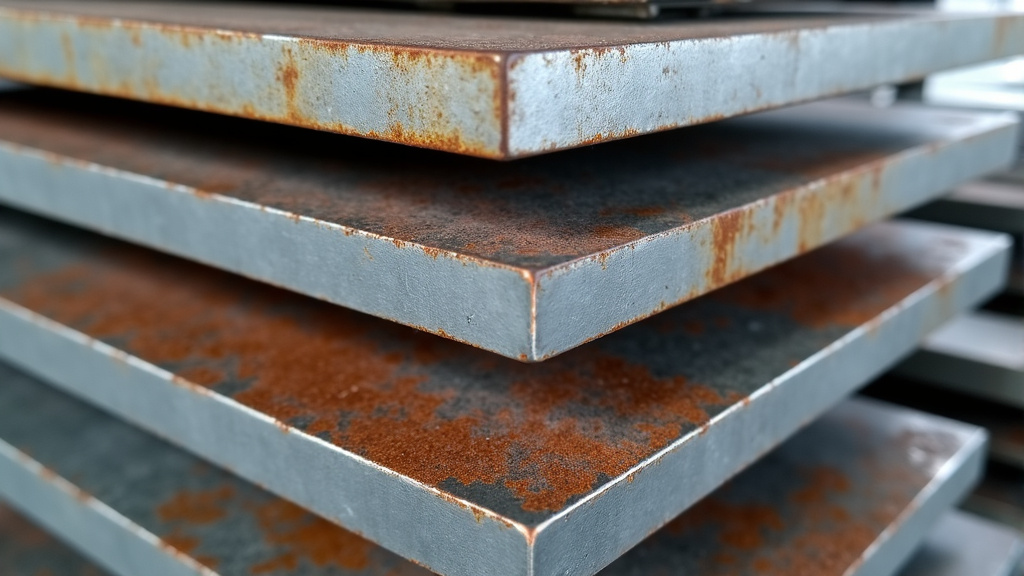
The journey of scrap metal from collection to reuse involves several steps that are designed to maximize material recovery and minimize residual waste. After being gathered from households, businesses, or demolition sites, metals are sorted, cleaned, and processed for melting and reshaping. This process is highly efficient, with modern metal recycling technologies enabling the recovery of even small or mixed-metal items.
For example, steel beams and aluminum cans can be recycled repeatedly without loss of quality. This means that once a piece of metal is diverted from the landfill, it can continue to be reused in new products for decades. For a detailed look at what happens to these materials after collection, see what happens to scrap metal.
Environmental and Economic Benefits of Diverting Metals from Landfills
The positive impacts of keeping metals out of landfills extend beyond waste reduction. Some of the most significant benefits include:
- Resource conservation: Recycling metals saves energy and reduces the need for mining, which is both resource-intensive and damaging to ecosystems.
- Lower greenhouse gas emissions: Processing recycled metals typically uses less energy than producing new metals from ore, resulting in fewer emissions.
- Economic opportunities: The recycling industry creates jobs and provides raw materials for manufacturing at a lower cost than virgin resources.
- Reduced landfill management costs: By decreasing the volume of waste, municipalities can save on landfill maintenance and expansion.
For more on how different types of scrap metal are repurposed, see this guide to uses for recycled scrap metal.
Practical Steps for Effective Metal Recycling
Anyone can contribute to landfill reduction by participating in local recycling programs and making informed choices about waste disposal. Here are some practical tips:
- Identify recyclable metals: Common household and industrial metals include aluminum, steel, copper, and brass. For tips on sorting and recognizing these materials, check out how to identify recyclable metals.
- Prepare items for recycling: Remove non-metal attachments, clean off debris, and separate different types of metals when possible.
- Use certified recycling centers: Ensure your scrap is processed by reputable facilities that follow environmental regulations.
- Support products made with recycled content: Purchasing items manufactured from recycled metals helps close the loop and encourages further waste diversion.
Frequently Asked Questions
What types of metals can be recycled to reduce landfill waste?
Most common metals—including aluminum, steel, copper, brass, and tin—can be recycled. Even items with mixed materials may be accepted at specialized facilities. Recycling these metals ensures they are kept out of landfills and reintroduced into the manufacturing cycle.
How does recycling metal help the environment?
Recycling metals conserves natural resources, reduces energy use, and limits pollution from mining and landfill operations. By keeping metals in circulation, we also decrease the need for new extraction and minimize the negative impacts on ecosystems.
Can recycled metal be used in all types of manufacturing?
Yes, recycled metals are widely used in manufacturing, often with no loss of quality compared to new materials. Industries such as automotive, construction, and packaging rely heavily on recycled content. For more details, see industrial uses of recycled aluminum.