
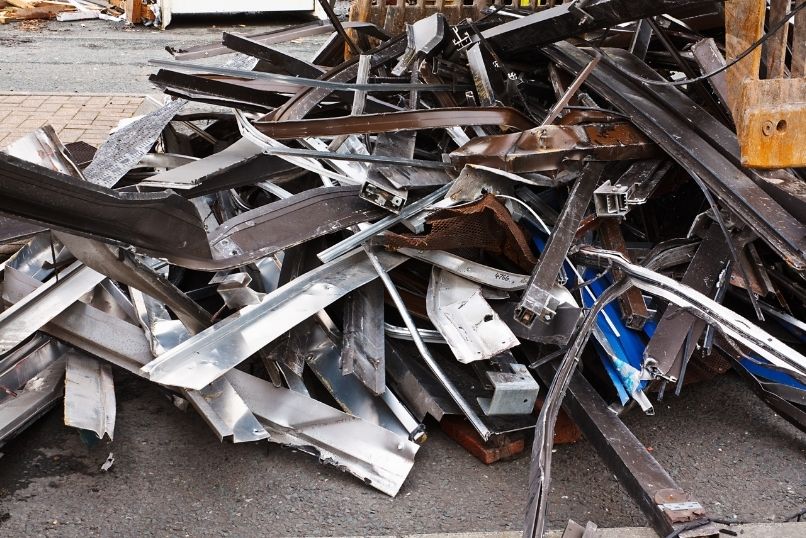
Recycling metals plays a crucial role in conserving our planet’s natural resources. By reprocessing used metals, we reduce the need for mining, which in turn decreases environmental degradation. This guide explores the benefits of metal recycling, highlighting how it helps preserve resources and supports sustainable practices.
Before delving into the specifics, it’s essential to understand the broader impact of recycling. The process not only saves energy but also minimizes pollution and conserves raw materials. For those involved in metalworking, understanding these benefits can enhance operational efficiency and environmental responsibility. For instance, learning about stamping press vibration control tips can further optimize metal processing.
The Environmental Impact of Metal Recycling
Metal recycling significantly reduces the environmental impact associated with mining and processing new metals. By reusing existing materials, we can cut down on the energy required to extract and refine raw ores. This energy saving is substantial, as recycling metals like aluminum can save up to 95% of the energy needed to produce new aluminum from bauxite ore.
Moreover, recycling helps reduce greenhouse gas emissions. The process of mining and refining metals is energy-intensive and contributes to air pollution. By recycling, we can lower these emissions, contributing to a cleaner and healthier environment.
Conserving Natural Resources Through Recycling
One of the primary benefits of recycling metals is the conservation of natural resources. Metals such as iron, aluminum, and copper are finite resources. By recycling, we extend the life of these materials, ensuring they remain available for future generations.
Additionally, recycling reduces the need for new mining operations, which can be destructive to ecosystems. Mining often leads to deforestation, soil erosion, and habitat destruction. By recycling, we can mitigate these adverse effects and promote biodiversity.
Economic Benefits of Metal Recycling
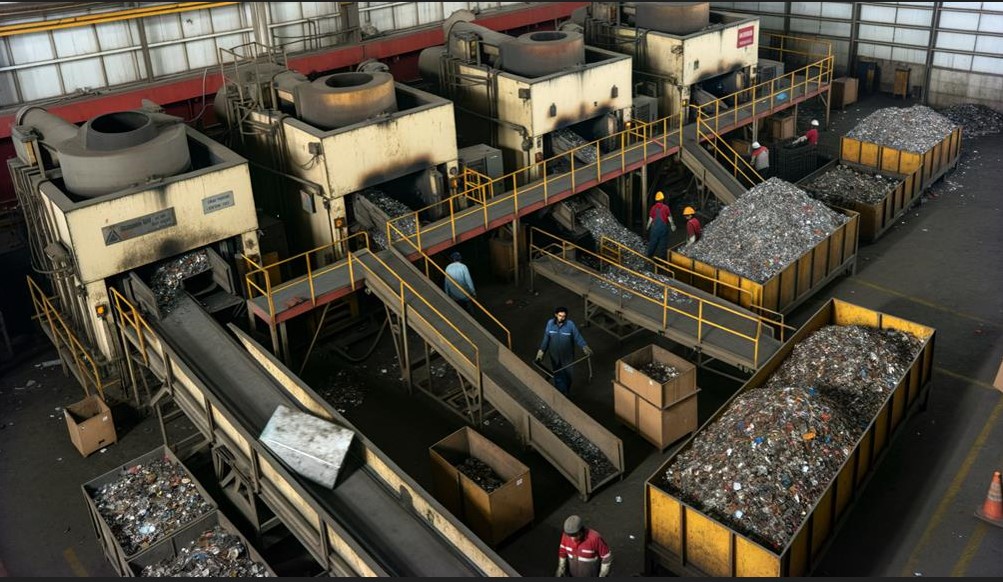
Recycling metals also offers significant economic advantages. The recycling industry creates jobs and contributes to the economy by providing raw materials at a lower cost than new production. This cost efficiency can be particularly beneficial for industries reliant on metals, such as automotive and construction.
Furthermore, recycling reduces the need for importing raw materials, which can stabilize prices and reduce dependency on foreign resources. This economic stability is crucial for maintaining competitive industries and supporting local economies.
Challenges and Solutions in Metal Recycling
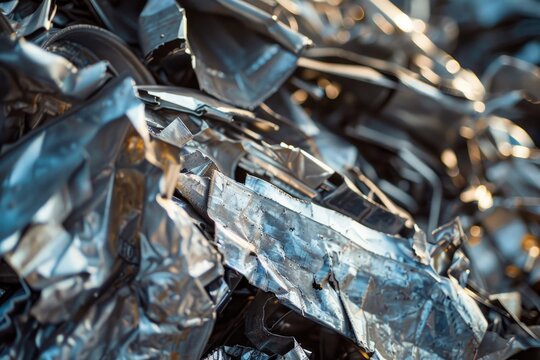
Despite its benefits, metal recycling faces several challenges. Contamination of scrap metals can complicate the recycling process, making it less efficient. To address this, improved sorting and processing technologies are being developed to ensure cleaner and more efficient recycling streams.
Another challenge is the fluctuating market prices for scrap metals, which can impact the profitability of recycling operations. However, by investing in advanced technologies and fostering public awareness about recycling’s importance, these challenges can be mitigated.
For more detailed insights into metal recycling, consider reading this comprehensive guide on metal recycling.
FAQs
What Types of Metals Can Be Recycled?
Most metals can be recycled, including aluminum, steel, copper, brass, and iron. Each type has its recycling process, but all contribute to resource conservation.
How Does Metal Recycling Save Energy?
Recycling metals saves energy because it requires less energy to process recycled materials than to extract and refine new ores. For example, recycling aluminum saves up to 95% of the energy compared to producing new aluminum.
What Are the Economic Benefits of Metal Recycling?
Metal recycling supports the economy by creating jobs, reducing production costs, and minimizing the need for importing raw materials. It also stabilizes market prices by providing a steady supply of recycled metals.