
As environmental concerns continue to shape the manufacturing landscape, the demand for green fabrication techniques in metal production has never been higher. Companies are rethinking traditional processes to reduce emissions, conserve resources, and minimize waste. Adopting sustainable practices not only benefits the planet but also helps manufacturers meet regulatory requirements and appeal to eco-conscious customers.
This article explores the most effective strategies for environmentally responsible metalworking, from energy-efficient machinery to advanced recycling methods. We’ll also highlight the latest trends, practical steps for implementation, and how these innovations are reshaping the industry.
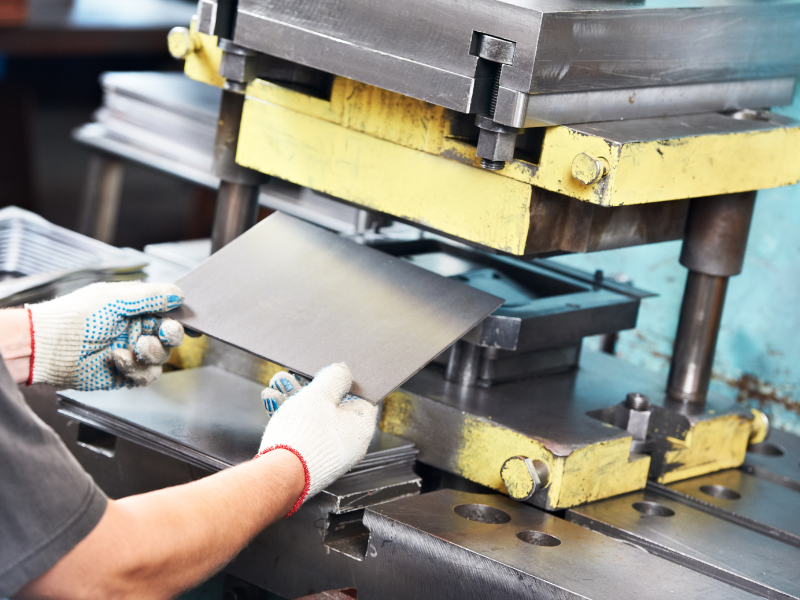
For those interested in optimizing their stamping operations alongside sustainability, it’s worth reviewing stamping press vibration control tips to further improve efficiency and precision in metal fabrication.
Why Sustainable Metalworking Matters
The environmental impact of metal production is significant, with traditional methods consuming large amounts of energy and generating substantial waste. By integrating green fabrication techniques, manufacturers can greatly reduce their carbon footprint, conserve raw materials, and create safer workplaces. These improvements are not just about compliance—they are essential for long-term business resilience and global environmental health.
Governments and industry groups are increasingly setting stricter standards for emissions and resource usage. Companies that invest in sustainable technologies are better positioned to meet these requirements and avoid costly penalties.
Core Principles of Eco-Friendly Metal Fabrication
Adopting environmentally conscious practices in metalworking involves more than just recycling scrap. The most effective approaches are built on several core principles:
- Energy Efficiency: Upgrading to high-efficiency machinery and optimizing production schedules to reduce power consumption.
- Waste Reduction: Implementing lean manufacturing, reusing offcuts, and recycling process byproducts.
- Resource Conservation: Using fewer raw materials through precision cutting, advanced forming, and design optimization.
- Cleaner Inputs: Choosing non-toxic lubricants, solvents, and coatings to minimize hazardous waste.
- Closed-Loop Systems: Recovering and reusing water, heat, and materials within the facility.
Innovative Approaches to Green Fabrication
Several modern methods are helping manufacturers achieve more sustainable outcomes. These include:
Advanced Laser Cutting and Forming
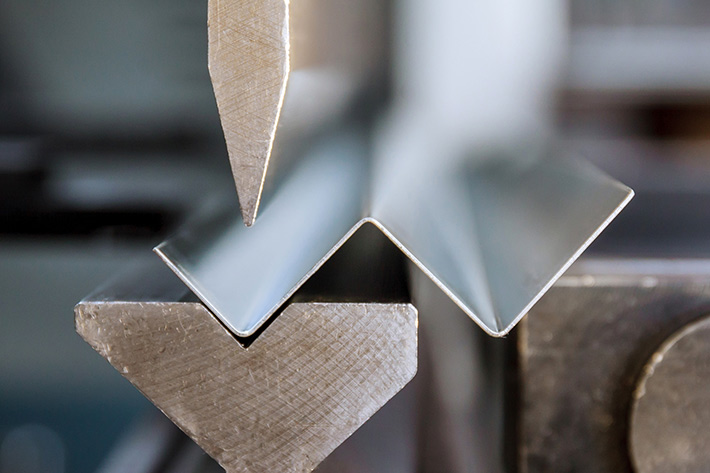
Laser cutting and ultra-thin gauge metal forming technologies allow for precise shaping with minimal waste. These processes use less energy compared to traditional mechanical cutting and reduce the need for secondary finishing.
Recycling and Circular Economy Practices
Integrating recycling at every stage of production is a hallmark of green fabrication techniques. Scrap metal is collected, sorted, and reintroduced into the manufacturing process, reducing the need for virgin materials. Some facilities have adopted closed-loop systems, where waste from one process becomes input for another.
Low-Impact Surface Treatments
Traditional surface finishing often involves chemicals that can be harmful to both workers and the environment. Newer methods, such as water-based coatings and mechanical polishing, offer safer alternatives while maintaining product quality. For more on this topic, see the guide on steel stamping surface finish requirements.
Smart Automation and Digital Monitoring
Automation and real-time monitoring systems help manufacturers track energy use, detect inefficiencies, and reduce downtime. By leveraging data, companies can fine-tune their processes for maximum sustainability and cost savings.
Implementing Responsible Metal Production in Your Facility
Transitioning to more sustainable operations requires a strategic approach. Here are practical steps to get started:
- Conduct an Environmental Audit: Assess current processes to identify areas with the greatest environmental impact.
- Set Measurable Goals: Define clear targets for energy use, waste reduction, and emissions.
- Invest in Efficient Equipment: Upgrade to machines that use less power and generate less waste.
- Train Your Team: Educate staff on sustainable practices and encourage continuous improvement.
- Monitor and Report Progress: Use digital tools to track key metrics and share results with stakeholders.
Collaboration with suppliers and customers can also drive improvements across the value chain. Many organizations are now seeking partners who share their commitment to sustainability.
Trends and Future Directions in Eco-Conscious Metalworking
The future of metal fabrication is being shaped by rapid technological advances and growing environmental awareness. Trends to watch include:
- Decarbonization: Adoption of renewable energy sources, such as solar and wind, to power manufacturing facilities.
- Green Materials: Increased use of recycled metals and biobased lubricants.
- Digital Twins: Virtual models of production lines to simulate and optimize resource use.
- Regulatory Innovation: Governments incentivizing sustainable practices through grants and tax breaks.
For a deeper dive into the latest sustainability trends in the industry, see this comprehensive overview of eco-friendly practices in metal fabrication.
Benefits of Adopting Green Manufacturing Methods
Embracing green fabrication techniques delivers tangible benefits for both businesses and the environment:
- Cost Savings: Lower energy bills, reduced material costs, and less waste disposal.
- Regulatory Compliance: Easier adherence to environmental laws and standards.
- Enhanced Reputation: Stronger brand image among customers, investors, and the community.
- Employee Wellbeing: Safer workplaces with reduced exposure to hazardous substances.
- Innovation: Staying ahead of competitors by adopting the latest sustainable technologies.
FAQ: Responsible Metal Fabrication and Sustainability
What are the most effective ways to reduce waste in metal fabrication?
The most effective strategies include implementing lean manufacturing principles, recycling scrap and offcuts, optimizing cutting patterns, and reusing process byproducts. Precision technologies like laser cutting also help minimize material loss.
How can manufacturers lower energy consumption in metalworking?
Upgrading to energy-efficient machinery, using smart automation, and optimizing production schedules are key steps. Additionally, integrating renewable energy sources and recovering waste heat can further reduce overall power usage.
Are there eco-friendly alternatives to traditional metal surface treatments?
Yes, water-based coatings, mechanical polishing, and non-toxic lubricants are increasingly popular alternatives. These options reduce hazardous waste and improve workplace safety without compromising product quality.