
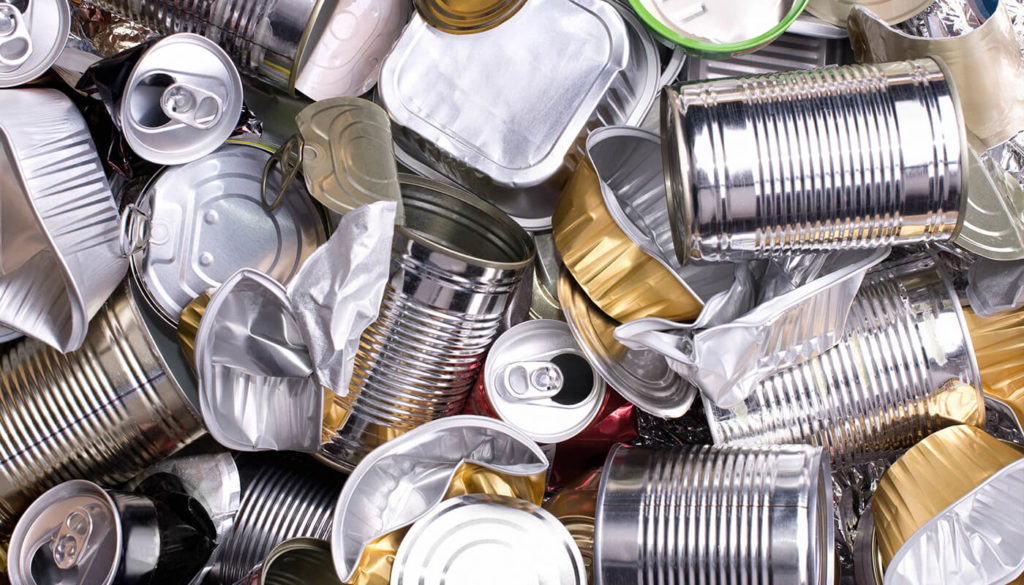
The process of recycling metals delivers significant benefits for both the environment and the economy. One of the most impactful advantages is the substantial energy savings from metal recycling compared to extracting and processing raw ore. By reusing metals already in circulation, industries can dramatically reduce their energy consumption, lower greenhouse gas emissions, and conserve valuable natural resources.
This guide explores how recycling metals such as aluminum, steel, copper, and others leads to energy conservation, why these savings matter, and how individuals and businesses can contribute to a more efficient and sustainable future. For those interested in the practical applications of recycled materials, the uses of recycled metals in products are wide-ranging and increasingly important in modern manufacturing.
How Metal Recycling Leads to Energy Conservation
Recycling metals uses far less energy than producing new metals from raw ore. The difference is especially dramatic for certain materials. For example, producing new aluminum from bauxite ore requires up to 95% more energy than recycling existing aluminum products. Steel, copper, and other metals also show significant reductions in energy use when recycled.
The primary reason for these savings is that the most energy-intensive steps—mining, transporting, and refining ore—are bypassed. Instead, scrap metal is collected, sorted, cleaned, and melted down, which is a much more efficient process.
- Aluminum: Recycling saves up to 95% of the energy required for primary production.
- Steel: Energy savings can reach 60–74% compared to using virgin materials.
- Copper: Recycled copper uses about 85% less energy than new copper from ore.
Environmental Impact of Energy Savings from Metal Recycling
The environmental benefits of these energy savings are substantial. Lower energy consumption means fewer fossil fuels are burned, which in turn reduces greenhouse gas emissions and air pollution. For instance, recycling one ton of aluminum saves up to 14,000 kWh of electricity and prevents the emission of approximately 10 tons of CO2 equivalents.
Additionally, recycling metals helps conserve natural resources by reducing the need for mining. Mining operations can be destructive to ecosystems, require large amounts of water, and generate hazardous waste. By reusing metals, we help protect landscapes and biodiversity.
Types of Metals and Their Energy-Saving Potential
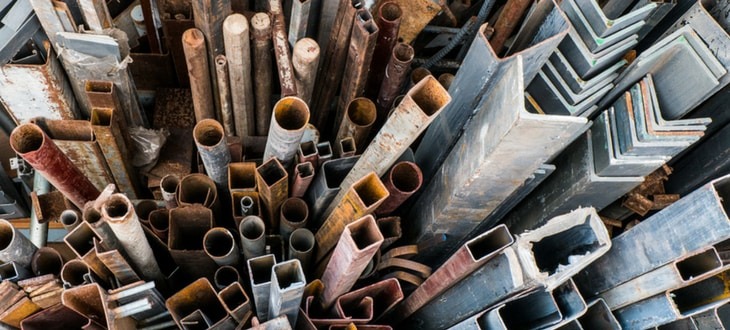
Not all metals offer the same level of energy conservation when recycled. The following table summarizes the estimated energy savings for some of the most commonly recycled metals:
| Metal | Energy Saved by Recycling |
|---|---|
| Aluminum | Up to 95% |
| Steel | 60–74% |
| Copper | 85% |
| Lead | 65% |
| Zinc | 60% |
For a deeper look at which metals can be recycled and their specific benefits, visit this overview of recyclable metals.
Industrial and Economic Advantages
The energy savings from metal recycling translate directly into cost reductions for manufacturers. Lower energy bills mean that recycled metals are often less expensive to produce than those made from raw materials. This cost efficiency can make industries more competitive and encourage further investment in recycling infrastructure.
Additionally, recycling supports job creation in collection, processing, and manufacturing sectors. The economic ripple effect benefits local communities and helps build a more circular economy.
Case Study: Aluminum Cans
Aluminum cans are one of the most recycled consumer products worldwide. The process of recycling these cans is highly efficient, with a single can being able to return to store shelves as a new product in as little as 60 days. This rapid turnaround, combined with the dramatic energy savings, makes aluminum recycling a model for sustainability.
How Individuals and Businesses Can Maximize Energy Savings
Both households and companies can play a role in maximizing the benefits of metal recycling. Here are some practical steps:
- Separate metal items from general waste for proper recycling.
- Participate in local recycling programs and drop-off centers.
- Encourage the use of recycled materials in purchasing decisions.
- Invest in equipment, such as shredders, to process scrap metal efficiently.
- Stay informed about metal recycling and sustainability best practices.
Common Challenges and Solutions in Metal Recycling
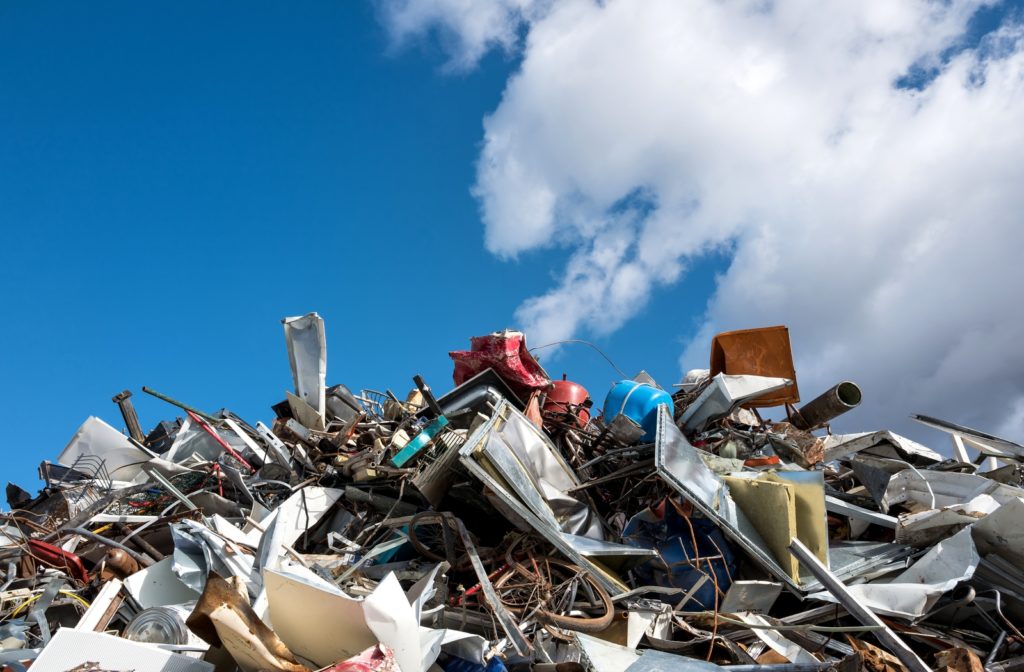
While the benefits are clear, there are some obstacles to achieving maximum energy conservation through recycling. Contamination of scrap metal, lack of public awareness, and insufficient infrastructure can limit the effectiveness of recycling programs.
Solutions include better sorting technologies, public education campaigns, and investment in modern recycling facilities. Businesses can also adopt closed-loop systems, where scrap generated during manufacturing is immediately recycled back into production.
Frequently Asked Questions
What metals offer the highest energy savings when recycled?
Aluminum provides the most dramatic energy savings, with up to 95% less energy required compared to primary production. Copper and steel also offer significant reductions, making them highly valuable for recycling efforts.
How does recycling metal reduce greenhouse gas emissions?
By using less energy, especially from fossil fuel sources, recycling metals leads to lower carbon dioxide and other greenhouse gas emissions. This helps combat climate change and improves air quality.
Can all types of metal be recycled efficiently?
Most common metals, including aluminum, steel, copper, lead, and zinc, can be recycled efficiently. However, some specialty alloys and items with mixed materials may require additional processing to achieve optimal energy savings.
Conclusion
The energy savings from metal recycling are a cornerstone of sustainable resource management. By choosing to recycle and support recycled products, individuals and organizations help conserve energy, reduce emissions, and protect the planet’s resources for future generations. To learn more about specific processes, such as the recycled copper process or recycling stainless steel, explore additional resources and stay engaged with ongoing advancements in the field.