

In today’s environmentally conscious world, the need for efficient recycling processes has never been more critical. One of the key advancements in this area is the digital tracking of recycled materials. This innovative approach not only enhances the transparency of recycling operations but also ensures that materials are effectively reused, reducing waste and promoting sustainability.
Understanding how digital tracking works can greatly benefit industries and individuals alike. By leveraging technology, we can monitor the journey of recyclable materials from collection to processing and beyond. This guide will delve into the mechanisms of digital tracking, its benefits, and how it is transforming the recycling landscape.
For those involved in metalworking, understanding the nuances of recycling can also improve processes such as stamping press vibration control tips, which are crucial for maintaining precision in manufacturing.
How Digital Tracking Works
Digital tracking systems utilize a combination of technologies such as RFID tags, QR codes, and blockchain to monitor recycled materials. These technologies provide real-time data on the location, condition, and status of materials as they move through the recycling chain. By implementing these systems, companies can ensure that materials are processed efficiently and sustainably.
Benefits of Implementing Tracking Systems
The advantages of adopting digital tracking in recycling are numerous. Firstly, it enhances transparency, allowing stakeholders to verify the authenticity and source of recycled materials. This is particularly important for industries that rely on high-quality recycled inputs. Additionally, tracking systems can help identify inefficiencies in the recycling process, enabling companies to optimize operations and reduce costs.
Applications in the Recycling Industry
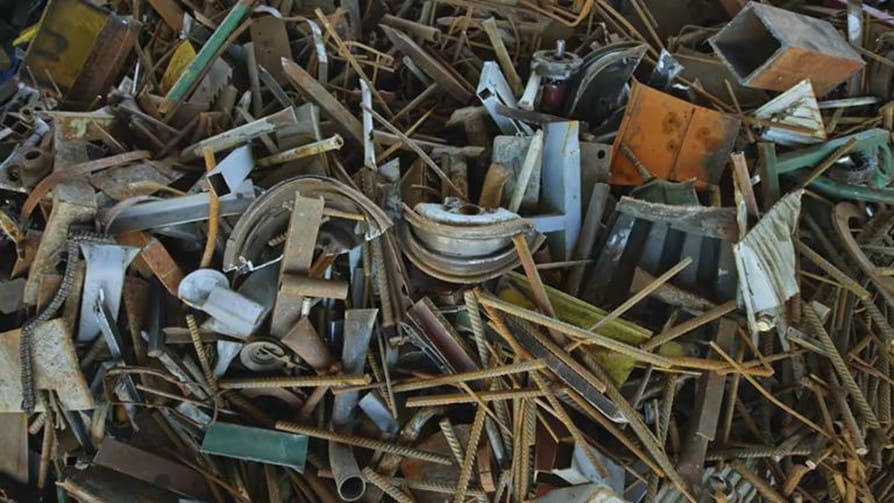
Various sectors are already reaping the benefits of digital tracking. For example, the metal recycling industry uses these systems to ensure that valuable metals are recovered and reused effectively. This not only conserves natural resources but also reduces the environmental impact of mining and raw material extraction.

Challenges and Solutions
While the benefits are clear, implementing digital tracking systems is not without challenges. One major hurdle is the initial cost of setting up these systems. However, the long-term savings and efficiency gains often outweigh the initial investment. Additionally, companies must ensure data security and privacy, particularly when using blockchain technology.
Future of Recycling with Digital Innovations
As technology continues to evolve, the potential for digital tracking in recycling will expand. Future innovations may include enhanced data analytics and integration with smart city infrastructure, further optimizing recycling processes. These advancements will play a crucial role in achieving global sustainability goals.
Conclusion
The integration of digital tracking in recycling processes marks a significant step towards more sustainable and efficient waste management. By embracing these technologies, industries can not only improve their operational efficiency but also contribute to a more sustainable future.
For more information on recyclable materials, consider exploring the different types of metal that can be recycled.
FAQs
What is digital tracking in recycling?
Digital tracking in recycling involves using technology to monitor and record the journey of recyclable materials through the recycling process. This ensures transparency and efficiency in recycling operations.
How does digital tracking benefit the environment?
By ensuring that materials are efficiently recycled and reused, digital tracking helps reduce waste, conserve natural resources, and minimize the environmental impact of raw material extraction.
What technologies are used in digital tracking?
Common technologies used in digital tracking include RFID tags, QR codes, and blockchain. These tools provide real-time data on the location and status of recyclable materials.