
Understanding the difference between upcycling and recycling is essential for anyone interested in sustainable practices, especially when it comes to handling metals. Both methods aim to reduce waste and conserve resources, but they take distinctly different approaches. Upcycling focuses on creatively reusing materials, while recycling involves breaking down items to recover raw materials for new production. Knowing how these processes work and their unique benefits can help individuals and businesses make informed decisions about managing metal waste.
In this article, we’ll explore how upcycling and recycling differ, particularly in the context of metals, and why each method plays a vital role in environmental stewardship. We’ll also highlight practical examples, discuss the environmental impact, and provide guidance on choosing the right approach for your needs. For those interested in the technical side, you can also learn more about metal recycling technologies and how they are shaping the industry.

Understanding the Core Concepts: Upcycling vs. Recycling
To clarify the difference between upcycling and recycling, it’s helpful to define each process:
- Upcycling is the process of transforming waste or unwanted materials into new products of higher value or quality. In the context of metals, this could mean turning scrap metal into art, furniture, or functional items without breaking it down to its raw state.
- Recycling refers to collecting, processing, and re-manufacturing materials into new products. For metals, this involves melting down scrap to produce new metal goods, often with the help of advanced metal recycling technologies.
While both methods divert waste from landfills, upcycling preserves the original material’s form and often adds creative or functional value, whereas recycling returns materials to a raw state for industrial reuse.
How Metal Upcycling Works
Upcycling metals involves repurposing discarded items into products that serve a new function or aesthetic. For example, old gears might become lamp bases, or steel drums could be converted into outdoor furniture. This approach requires creativity and craftsmanship, often resulting in unique, one-of-a-kind pieces.
The main advantage of upcycling is that it minimizes the energy and resources needed to process the material, as there’s no need for melting or refining. It also supports local artisans and small businesses, encouraging a circular economy where waste is seen as a resource.
How Metal Recycling Differs from Upcycling
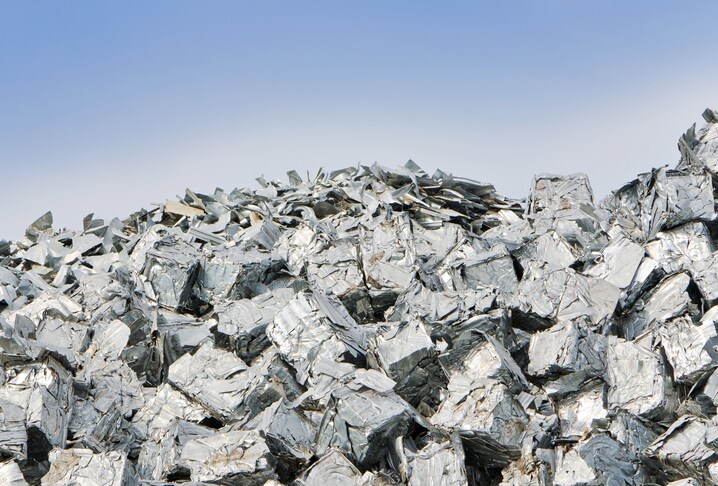
Recycling metals is a well-established industrial process. It starts with the collection and sorting of scrap metal, followed by cleaning and shredding. The metal is then melted in a furnace and cast into new shapes or products. This process is highly efficient for materials like aluminum, steel, and copper, which can be recycled repeatedly without losing quality.
The main benefit of recycling is the conservation of natural resources and reduction of energy use compared to extracting and processing virgin ore. For example, recycling aluminum saves up to 95% of the energy required to produce new aluminum from raw materials. For more details on what happens after collection, see what happens to scrap metal.
Key Differences: Upcycling and Recycling in Metal Management
| Aspect | Upcycling | Recycling |
|---|---|---|
| Process | Repurposes items without breaking them down | Breaks down items to recover raw materials |
| Energy Use | Low | Moderate to high |
| End Product | Unique, often higher-value items | Raw materials for manufacturing |
| Environmental Impact | Reduces waste, supports creativity | Conserves resources, reduces emissions |
| Economic Value | Supports small businesses and artisans | Feeds industrial supply chains |
Both approaches are vital for a sustainable future, but they serve different needs and scales. Upcycling is often local and small-scale, while recycling is industrial and global.
Environmental and Economic Benefits
Choosing between upcycling and recycling depends on your goals. Upcycling is ideal for adding value and reducing the need for new products, while recycling is crucial for large-scale resource conservation. Both methods help lower greenhouse gas emissions and reduce landfill use.
For manufacturers, using recycled metals can significantly cut costs and environmental impact. To learn more about how recycled materials are used in industry, explore industrial uses of recycled aluminum.
On the other hand, upcycling can create niche markets, support local economies, and foster innovation. Both strategies are essential parts of a comprehensive approach to sustainability.
How to Decide: Upcycling or Recycling for Your Metal Waste?
When deciding whether to upcycle or recycle metal, consider the condition, type, and potential value of the item. If a metal object is still functional or can be transformed into something useful or decorative, upcycling is a great option. For instance, turning old pipes into shelving or using metal sheets for garden art.
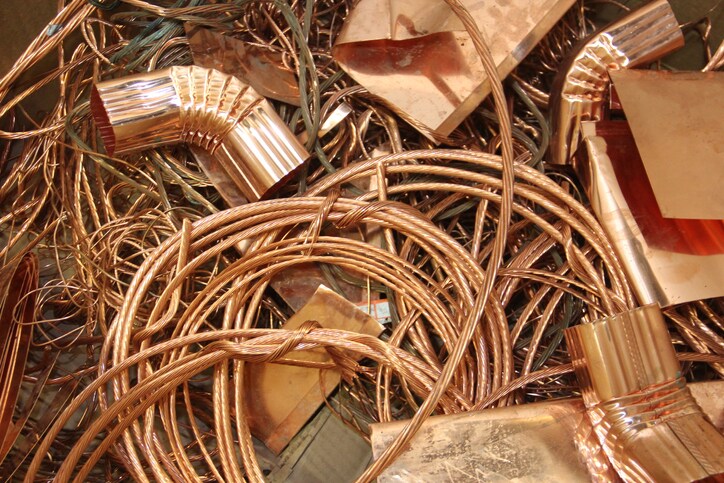
If the metal is damaged, corroded, or mixed with other materials, recycling is usually the best route. Proper sorting is important—learn about how to identify recyclable metals to ensure efficient processing.
In some cases, both methods can be combined. For example, a large metal structure might be partially upcycled, with the remaining scrap sent for recycling. This hybrid approach maximizes resource use and minimizes waste.
Practical Examples and Innovations
The creative potential of upcycling is nearly limitless. Artists and designers have crafted sculptures, furniture, and even architectural elements from discarded metal. Meanwhile, recycling facilities are adopting new innovative sorting and processing technologies to improve efficiency and material recovery rates.
Both sectors are evolving rapidly, offering new opportunities for sustainability-minded individuals and businesses. Whether you’re interested in DIY projects or industrial-scale solutions, understanding these processes can help you make better choices for the environment and your bottom line.
Frequently Asked Questions
What is the main difference between upcycling and recycling metals?
The primary distinction is that upcycling transforms metal items into new products without breaking them down, often adding value or function, while recycling involves processing metals back into raw materials for manufacturing.
Which is more environmentally friendly: upcycling or recycling?
Both methods have environmental benefits. Upcycling typically uses less energy and preserves more of the original material, while recycling conserves resources and reduces emissions by replacing the need for virgin materials. The best choice depends on the specific situation and the condition of the metal.
Can all metals be upcycled or recycled?
Most metals can be recycled, though some require special handling. Upcycling depends on the creativity and condition of the item—some metals are easier to repurpose than others. Proper sorting and cleaning help ensure successful upcycling or recycling.