
Understanding the difference between recycled and virgin metal is essential for manufacturers, builders, and anyone interested in sustainable materials. Both types of metal play crucial roles in industry and everyday life, but their origins, properties, and environmental impacts set them apart. This guide breaks down how each type is produced, their unique characteristics, and what these differences mean for businesses and consumers.
If you want to dive deeper into the basics, our resource on what is recycled metal provides foundational knowledge about how recycled materials are sourced and used in modern industry.
Understanding Metal Origins: Recycled vs. Virgin
The primary distinction between these two types of metal lies in their source. Recycled metal is obtained by processing scrap or discarded metal products, melting them down, and reforming them into new materials. In contrast, virgin metal is produced directly from mined ores through extraction and refining processes.
The process of creating new metal from ore is energy-intensive and often involves significant environmental disruption. On the other hand, recycling metal typically uses less energy and reduces the need for raw material extraction, making it a more sustainable option in many cases.
How Recycled Metal Is Produced
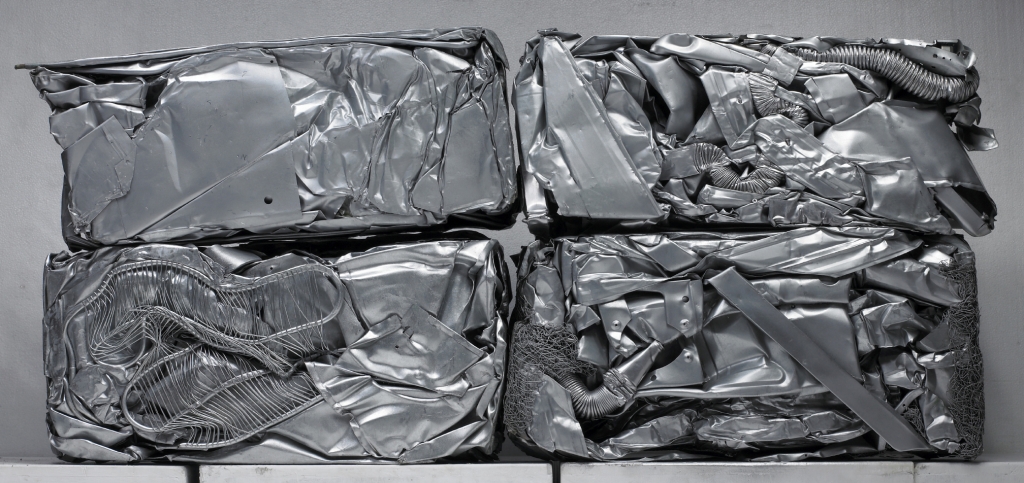
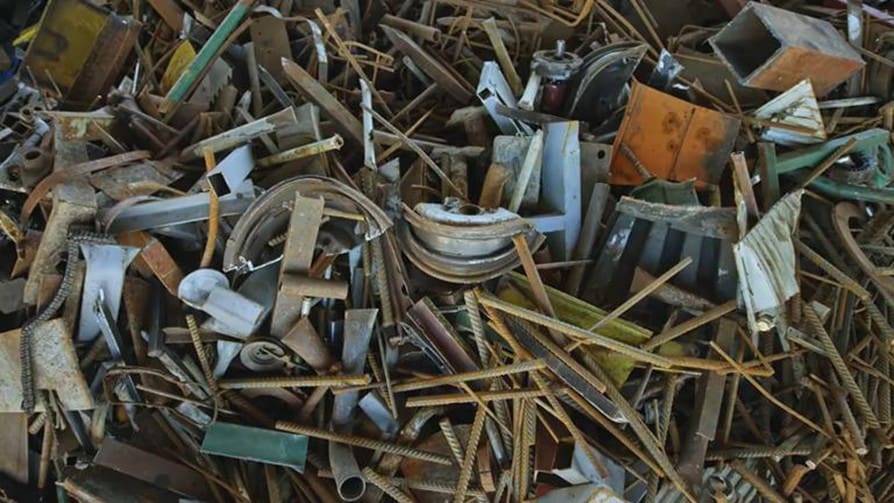
The journey of recycled metal begins with collection. Scrap metal is gathered from various sources, including old vehicles, appliances, construction waste, and industrial byproducts. After collection, the metal is sorted, cleaned, and processed to remove impurities. It is then melted in furnaces and cast into new shapes or products.
If you’re interested in the technical side, our article on how metal recycling works covers the step-by-step process and key techniques used in the industry.

The recycling process is not only efficient but also versatile. Metals like steel, aluminum, and copper can be recycled repeatedly without losing their essential properties. This makes recycled metals a valuable resource for manufacturing new products, from construction materials to consumer goods.
How Virgin Metal Is Made
Virgin metal production starts with mining. Ores are extracted from the earth, then crushed and refined to separate the desired metal from other elements. This process often involves chemical treatments, high temperatures, and significant energy consumption.
The result is pure, unprocessed metal that has never been used before. Virgin metals are prized for their consistent quality and predictable properties, which are important for certain high-specification applications such as aerospace, electronics, and medical devices.
Comparing Properties: Performance and Quality
One of the most common questions about the difference between recycled and virgin metal concerns material quality. In many cases, recycled metals can match the performance of their virgin counterparts, especially after thorough processing and purification. However, some applications require the absolute purity and uniformity that only newly produced metal can provide.
For example, recycled aluminum is widely used in cans and automotive parts, but certain aerospace components may still rely on virgin aluminum for precise performance standards. Similarly, recycled steel is suitable for construction and manufacturing, while virgin steel may be chosen for specialized engineering projects.
Environmental Impact: Sustainability Considerations
The environmental benefits of using recycled metal are significant. Recycling reduces the need for mining, conserves natural resources, and cuts down on greenhouse gas emissions. According to industry research, recycling aluminum saves up to 95% of the energy required to produce the same amount from raw ore.
For a deeper look at the benefits of recycled metal for the environment and manufacturing, our in-depth guide explores how these practices support sustainability goals and reduce industrial waste.
In contrast, virgin metal production has a larger ecological footprint. Mining operations can lead to habitat destruction, water pollution, and increased carbon emissions. As a result, many industries are shifting toward recycled materials to minimize their environmental impact.
Cost Factors and Economic Impact
The price of recycled metal is generally lower than that of virgin metal, mainly because recycling uses less energy and fewer raw materials. This cost advantage makes recycled materials attractive for manufacturers looking to reduce expenses without sacrificing quality.
However, market fluctuations, transportation costs, and the availability of scrap can influence pricing. Virgin metals, while often more expensive, may be necessary for projects that demand the highest levels of purity and performance.
Applications: Where Each Type Excels
Both recycled and virgin metals have their place in modern industry. Recycled metals are commonly used in construction, automotive manufacturing, packaging, and consumer goods. Their versatility and lower environmental impact make them a smart choice for many applications.
Virgin metals, on the other hand, are essential for sectors where material integrity and traceability are critical. Aerospace, electronics, and medical device manufacturing often require the unique properties that only newly produced metals can offer.
For more details on the various metals that can be recycled, see our overview of types of recyclable metals, which covers steel, aluminum, copper, and more.
Benefits of Recycling Metals
Choosing recycled over virgin metal offers several advantages. Not only does it help conserve natural resources, but it also reduces landfill waste and supports a circular economy. For a comprehensive breakdown of these advantages, visit this resource on the benefits of recycling metals.
As industries and consumers become more environmentally conscious, the demand for recycled materials is expected to grow, further driving innovation in recycling technologies and sustainable manufacturing practices.
Frequently Asked Questions
Is Recycled Metal as Strong as Virgin Metal?
In most cases, recycled metal can match the strength and durability of newly produced metal, especially after proper processing and purification. However, certain high-specification uses may still require virgin metal for guaranteed purity and performance.
What Metals Can Be Recycled?
Many metals are suitable for recycling, including steel, aluminum, copper, brass, and more. These materials can be reused multiple times without losing their core properties, making them ideal for sustainable production.
Why Is Virgin Metal Still Used?
Virgin metal is necessary for applications that demand absolute purity, traceability, or specific performance characteristics. Industries such as aerospace, electronics, and medical devices often rely on newly produced metals for these reasons.