
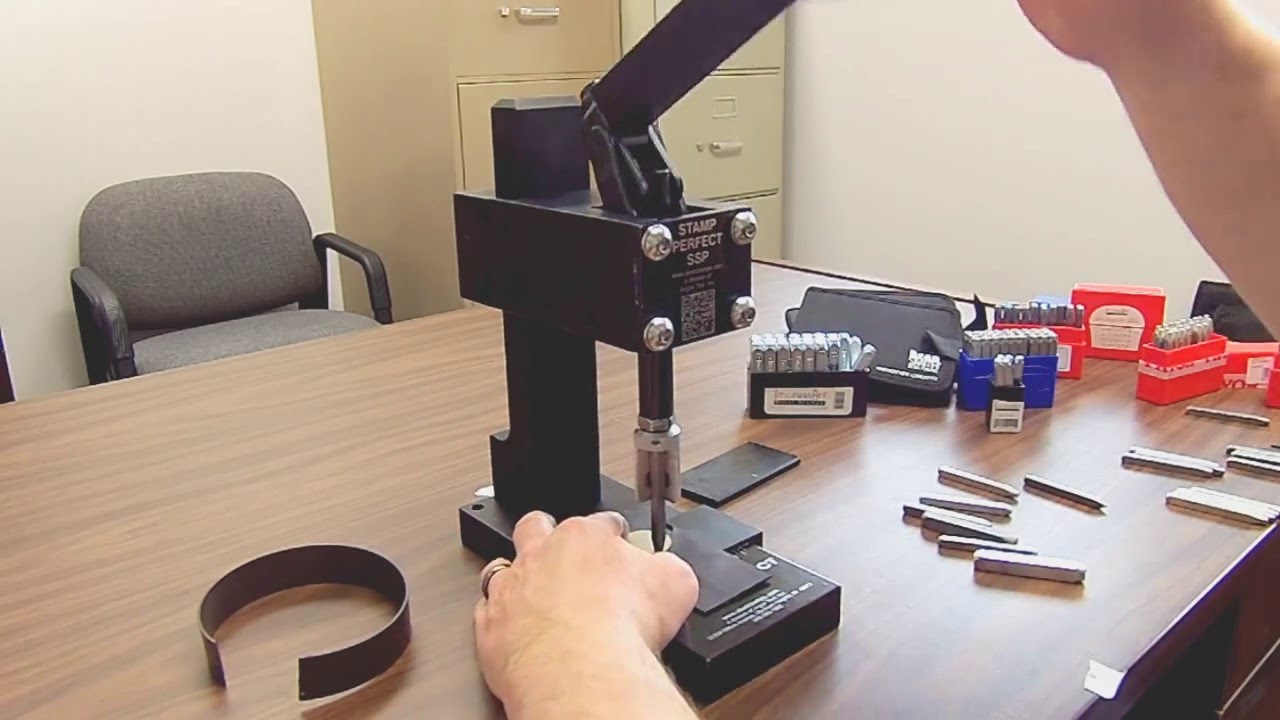
The clutch and brake in stamping presses are critical components that ensure the efficient and safe operation of these machines. In industrial manufacturing, where precision and speed are paramount, the clutch and brake systems play a crucial role in controlling the movement of the press. These components must be meticulously maintained to avoid costly downtime and ensure the safety of operators. As the backbone of the mechanical operation, understanding their function is essential for anyone involved in the stamping industry.
The Basics of Stamping Presses
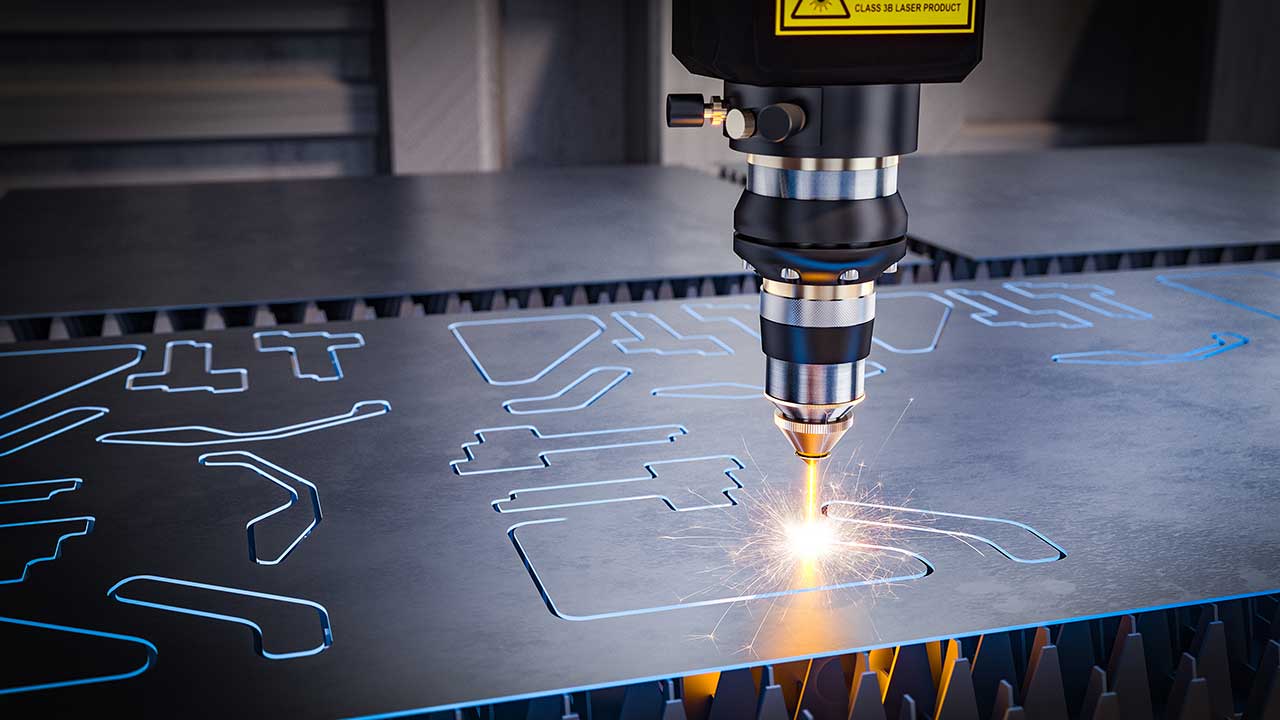
Stamping presses are machines used to shape or cut metal by deforming it with a die. They are integral to producing a wide range of products, from car parts to electronic components. The efficiency of a stamping press significantly impacts production speed and quality, making understanding its components, such as the clutch and brake, vital.
What is a Clutch in a Stamping Press?
A clutch is a device that engages and disengages the power transmission, especially from the driving shaft to the driven shaft. In a stamping press, the clutch connects the flywheel to the crankshaft, enabling the press’s operation. This component is pivotal for controlling the start and stop of the press, thus ensuring precision in stamping operations.
Types of Clutches Used
There are various types of clutches used in stamping presses, including friction clutches, air clutches, and hydraulic clutches. Each type has its advantages and is selected based on the specific requirements of the manufacturing process.
Understanding the Brake System
The brake in a stamping press is responsible for halting the machine’s operation. It ensures that the press stops at the correct position, which is critical for maintaining precision and safety. The brake system is designed to hold the press in place and prevent any unintended motion.
Types of Brakes
Common types of brakes in stamping presses include mechanical brakes, air brakes, and hydraulic brakes. The choice of brake depends on the press’s speed, size, and application requirements.
Importance of Maintenance
Regular maintenance of the clutch and brake systems is essential for the longevity and performance of stamping presses. Effective maintenance practices help prevent unexpected failures and ensure the safety of operators. Maintenance involves regular inspections, timely repairs, and replacements of worn-out parts.
Signs of Wear and Tear
Indicators of potential issues in the clutch and brake systems include unusual noises, vibrations, and reduced performance efficiency. Identifying these signs early can prevent more significant issues and costly repairs.
Technological Advancements in Clutch and Brake Systems
Modern advances have led to the development of more efficient and reliable clutch and brake systems. Innovations include the use of advanced materials and automation technologies, which enhance the performance of stamping presses.
Automation and Control
The integration of automation in clutch and brake systems allows for more precise control and increased safety. Automated systems can monitor performance and alert operators of any irregularities, thereby reducing the risk of accidents.
Choosing the Right Clutch and Brake System
Selecting the appropriate clutch and brake system for a stamping press involves considering factors such as the type of materials being stamped, the speed and force required, and the specific application needs. Consulting with experts can help in making informed decisions that enhance efficiency and safety.
Consulting Experts
Engaging with industry experts or utilizing resources like Productivity Improvement can provide valuable insights into optimizing stamping press operations.
Applications of Clutch and Brake in Various Industries
The use of clutch and brake systems extends across various sectors, including automotive, electronics, and medical devices. Each industry has unique requirements that dictate the choice and configuration of these systems.
Automotive Industry
In the automotive sector, precision and efficiency are critical. The Consumer Electronics Metal Stamping industry relies heavily on robust clutch and brake systems to meet high production standards.
Medical Device Manufacturing
The production of medical devices demands high precision and reliability. Clutch and brake systems ensure the accuracy and quality of stamped components, which is crucial in this field.
Safety Considerations
Safety is a primary concern in operating stamping presses. Properly functioning clutch and brake systems are instrumental in maintaining a safe working environment. Regular training and adherence to safety protocols are recommended to minimize risks.
Training and Protocols
Operators should undergo regular training to understand the operation and maintenance of clutch and brake systems. Access to resources like Quality Control ensures adherence to safety standards.
Future of Clutch and Brake Systems
The future of clutch and brake systems in stamping presses is promising, with ongoing innovations aimed at improving efficiency, reliability, and safety. The incorporation of smart technologies and IoT in these systems is expected to revolutionize the stamping industry.
Smart Technologies
Smart technologies enable real-time monitoring and data analysis, allowing for predictive maintenance and enhanced operational efficiency. For further insights, refer to Stamping 101.
Conclusion
Understanding the role and maintenance of the clutch and brake in stamping presses is crucial for maximizing efficiency, ensuring safety, and reducing operational costs. As technology advances, staying informed about new developments will be key to maintaining a competitive edge in the manufacturing industry.
FAQs
What is the primary function of a clutch in a stamping press?
The primary function of a clutch in a stamping press is to engage and disengage the power transmission from the driving shaft to the driven shaft, allowing controlled operation of the press.
How often should the clutch and brake systems be maintained?
Clutch and brake systems should be maintained regularly, with inspections and maintenance scheduled based on the manufacturer’s recommendations and the usage frequency of the press.
What are the signs of a failing brake system in a stamping press?
Signs of a failing brake system include unusual noises, vibrations, and a decrease in stopping precision. Addressing these issues promptly can prevent further damage and ensure operational safety.
This article contains affiliate links. We may earn a commission at no extra cost to you.