
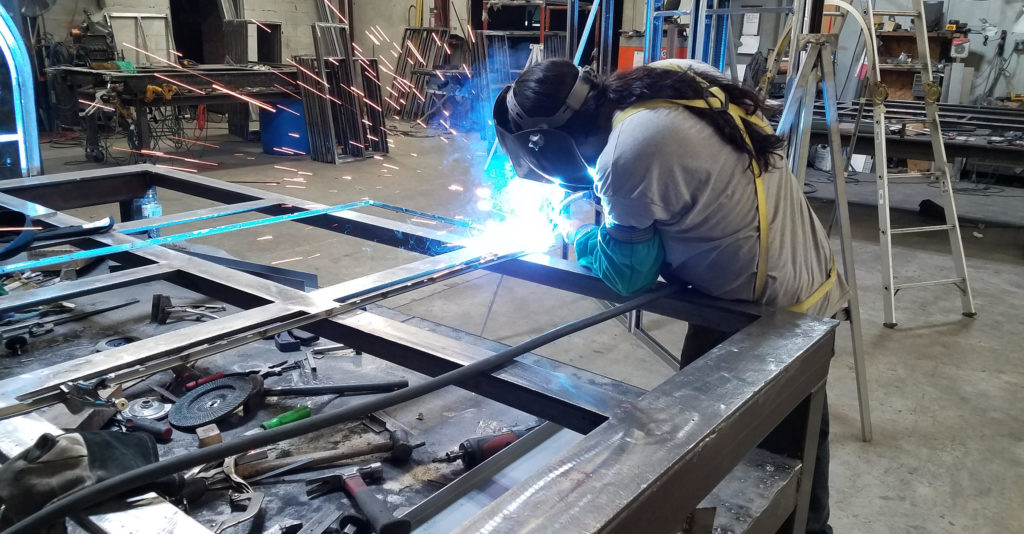
As industries and businesses strive to minimize environmental impact, closed loop water systems fabrication has emerged as a practical solution for sustainable water management. These engineered systems recirculate water within a contained process, reducing waste, conserving resources, and lowering operational costs. Understanding how these systems are designed, built, and maintained is essential for organizations seeking to align with eco-friendly manufacturing practices and regulatory requirements.
This article explores the fundamentals of closed loop water system construction, its environmental and economic benefits, and key considerations for sustainable implementation. For those interested in broader sustainable manufacturing strategies, our guide to eco friendly manufacturing metals offers additional insights.
Understanding the Basics of Closed Loop Water System Design
At its core, a closed loop water system is engineered to circulate water through a process or facility without discharging it as waste. Instead, water is reused after filtration, cooling, or treatment, maintaining a continuous cycle. This approach is commonly used in industrial cooling, heating, and manufacturing applications where water quality and conservation are priorities.
The fabrication process involves careful selection of materials, pipework, pumps, heat exchangers, and filtration units. Each component must be compatible with the intended water chemistry and operating conditions. The design phase also considers factors such as system pressure, temperature ranges, and the potential for scaling or corrosion.
Key Benefits of Sustainable Water Recirculation Systems
Implementing a recirculating water system offers several tangible advantages for manufacturers and facility operators:
- Water Conservation: By reusing water, facilities can reduce their overall consumption, easing the burden on local water supplies.
- Cost Savings: Lower water usage translates to reduced utility bills and less spending on wastewater treatment and discharge permits.
- Regulatory Compliance: Many regions have strict discharge regulations. Closed systems help organizations meet or exceed these requirements.
- Process Efficiency: Consistent water quality and temperature control can improve product quality and reduce equipment wear.
- Environmental Stewardship: Reducing water waste and chemical runoff supports broader sustainability goals and enhances corporate reputation.
For a deeper dive into responsible sourcing and recycling in metal industries, see our article on metal recycling and environmental compliance.
Fabrication Materials and Methods for Closed Loop Water Systems
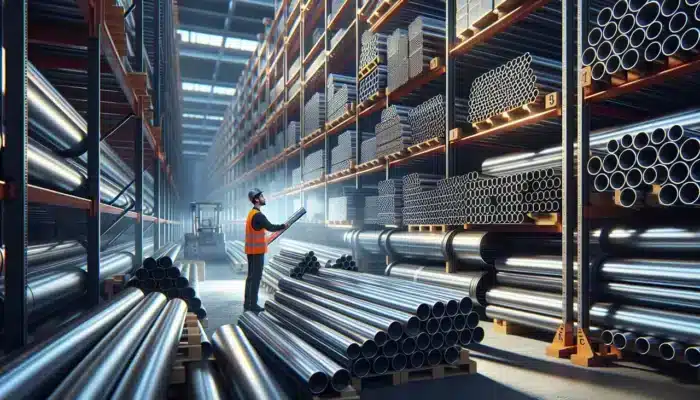
The choice of materials is critical to the longevity and performance of closed loop systems. Stainless steel, copper, and certain plastics are popular due to their corrosion resistance and durability. Fabricators must ensure all welds, joints, and seals are robust to prevent leaks and contamination.
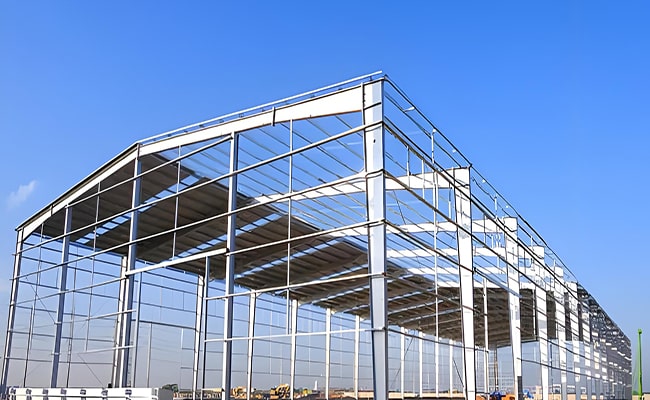
Advanced fabrication methods, such as automated welding and precision cutting, help ensure system integrity and reduce the risk of future failures. Many manufacturers are also adopting eco friendly metal fabrication practices to further minimize environmental impact during production.
Integrating Closed Loop Water Systems in Industrial Settings
Successful integration of a closed loop water solution requires a thorough assessment of existing infrastructure and operational needs. Retrofitting older facilities may involve replacing outdated piping, upgrading pumps, or installing new filtration equipment. For new builds, system designers can optimize layouts for maximum efficiency and minimal resource use.
Maintenance is another key consideration. Regular monitoring of water quality, pressure, and flow rates helps prevent scaling, biological growth, and system fouling. Automated controls and sensors can further enhance reliability and reduce manual intervention.
Companies interested in sustainable practices can learn more about eco-friendly manufacturing and fabrication methods that complement closed loop water management.
Challenges and Solutions in Water System Fabrication
While the benefits are clear, fabricating and maintaining a closed loop water system is not without challenges. Common issues include:
- Scaling and Fouling: Mineral buildup can reduce efficiency and damage equipment. Solutions include water softening, chemical treatment, and regular cleaning.
- Corrosion: Improper material selection or water chemistry can lead to leaks and failures. Using corrosion-resistant alloys and monitoring pH levels are effective countermeasures.
- System Complexity: Integrating new systems with legacy infrastructure may require custom fabrication and careful planning.
- Initial Investment: Upfront costs can be significant, but long-term savings and regulatory incentives often offset these expenses.
Addressing these challenges requires collaboration between engineers, fabricators, and facility managers. Ongoing training and adoption of best practices ensure systems remain efficient and compliant.
Best Practices for Sustainable Water System Fabrication
To maximize the sustainability and performance of closed loop water systems, consider the following best practices:
- Material Selection: Choose materials that are durable, recyclable, and compatible with the intended water chemistry.
- Efficient Design: Minimize piping runs, optimize pump sizing, and incorporate energy-efficient components.
- Water Quality Management: Implement filtration, softening, and treatment systems to maintain optimal water conditions.
- Regular Maintenance: Schedule inspections, cleanings, and system flushes to prevent issues before they arise.
- Documentation and Training: Keep detailed records of system specifications and train staff on proper operation and troubleshooting.
Facilities that also focus on material reuse can benefit from learning how small businesses can use recycled metals to further enhance sustainability efforts.
FAQ: Closed Loop Water System Fabrication and Sustainability
What industries benefit most from closed loop water systems?
Industries with high water usage or strict discharge regulations, such as manufacturing, power generation, food processing, and chemical production, gain significant advantages from implementing recirculating water solutions. These systems help conserve resources and maintain compliance.
How do closed loop systems contribute to environmental sustainability?
By minimizing water withdrawal and eliminating or reducing wastewater discharge, these systems lower the environmental footprint of industrial operations. They also support responsible resource management and can help organizations achieve sustainability certifications.
What maintenance is required for optimal performance?
Regular monitoring of water quality, pressure, and flow rates is essential. Maintenance tasks include cleaning filters, checking for leaks, inspecting pumps and valves, and treating water to prevent scaling and corrosion. Automated monitoring systems can streamline these tasks.
Are there incentives for adopting closed loop water systems?
Many regions offer incentives such as grants, tax credits, or reduced permitting fees for companies that invest in water-saving technologies. These incentives can help offset initial installation costs and encourage broader adoption of sustainable practices.
Conclusion
The fabrication of closed loop water systems is a cornerstone of sustainable industrial operations. By recirculating water, reducing waste, and supporting efficient processes, these systems help businesses meet environmental goals while controlling costs. As regulations tighten and the demand for responsible manufacturing grows, investing in robust, well-designed water recirculation infrastructure is both a smart and necessary step for the future.