
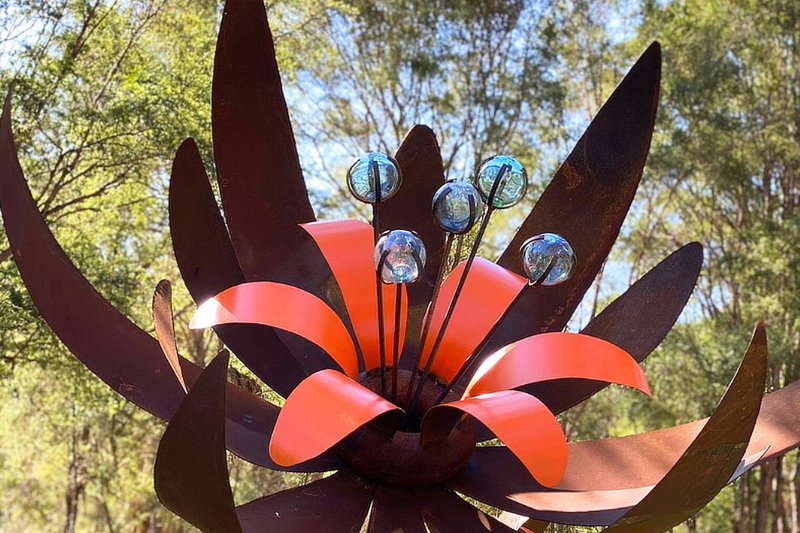
Designing with symmetry in garden art is not just about creating balance; it’s about crafting a serene and harmonious outdoor space that captivates the senses. For centuries, symmetry has been a cornerstone of garden design, offering a structured beauty that resonates with the natural world. This approach to landscaping is not only aesthetically pleasing but also brings a sense of order and tranquility to any outdoor area. Whether you’re an experienced gardener or just getting started, understanding the principles of symmetrical design can transform your garden into a breathtaking work of art.

The Importance of Symmetry in Gardens
Symmetry in garden design is all about balance. It involves creating a layout where elements on one side mirror those on the other. This method is rooted in the belief that such balance reflects the harmony found in nature. It can make gardens appear more organized and thought-out, which is incredibly appealing to the eye.
For industrial manufacturers looking to create engaging outdoor spaces, incorporating metal art on garden fences can enhance the symmetry. This not only adds visual interest but also provides a focal point that draws the eye and complements the overall design.
Historical Perspectives on Symmetrical Gardens
Historically, symmetrical garden designs have been prominent in many cultures. From the geometric precision of French formal gardens to the balanced layouts of Japanese Zen gardens, symmetry has played a crucial role. These historical designs emphasize the use of lines, shapes, and forms to create visually appealing landscapes that stand the test of time.
Today’s garden designers often draw inspiration from these classic examples, blending traditional techniques with modern elements to create unique and personalized outdoor spaces.
French Formal Gardens
French formal gardens are renowned for their strict adherence to symmetry. These gardens typically feature straight paths, meticulously trimmed hedges, and perfectly aligned flower beds. The use of symmetry in these gardens creates a sense of grandeur and elegance that is both impressive and inviting.
Japanese Zen Gardens
In contrast, Japanese Zen gardens use symmetry to evoke peace and contemplation. These gardens often feature carefully placed rocks, sand patterns, and minimal plantings, all arranged to create a balanced and harmonious environment. The symmetry in Zen gardens is subtle, focusing on creating a tranquil space that encourages meditation and reflection.
Incorporating Symmetry in Modern Garden Design
Incorporating symmetry into modern garden design involves more than just mirroring elements. It’s about creating a cohesive and unified look that enhances the natural beauty of the landscape. Here are some key elements to consider:
Pathways and Layout
Pathways are a fundamental aspect of symmetrical garden design. They guide the eye and the movement through the garden, creating a sense of order. Consider using straight or gently curving paths to enhance the symmetry in your garden. The layout should be planned carefully to ensure balance and flow.
Plant Selection and Arrangement
Choosing the right plants is essential for achieving symmetry. Opt for plants that can be easily shaped and maintained, such as hedges and topiaries. Arrange plants in pairs or groups to create a balanced look. Symmetrical planting can be both formal and informal, depending on the desired style.
Focal Points and Features
Focal points are crucial in symmetrical garden design. They draw attention and provide a sense of direction. Features such as fountains, statues, or stainless steel garden art can serve as excellent focal points, enhancing the symmetry and adding visual interest.
Benefits of Symmetrical Garden Design
The benefits of designing with symmetry in garden art are numerous. Symmetrical gardens are often easier to maintain, as their structured layout allows for straightforward care and management. Additionally, these gardens can increase the value of a property by providing a visually appealing and well-organized outdoor space.
Moreover, symmetrical gardens can contribute to mental well-being. The balance and harmony found in these spaces can promote relaxation and reduce stress, making them ideal for both personal enjoyment and public use.
Challenges and Considerations
While symmetrical garden design offers many advantages, it also comes with challenges. Achieving perfect symmetry can be difficult, especially in irregular or sloped landscapes. It’s important to work with the natural contours of the land and make adjustments as needed.
Additionally, maintaining symmetry requires regular upkeep. Plants must be pruned and shaped to ensure they remain balanced, and features such as paths and focal points must be kept in good condition.
Conclusion
In conclusion, designing with symmetry in garden art is a timeless approach that offers beauty, balance, and harmony. Whether inspired by historical gardens or modern trends, symmetry can transform any outdoor space into a work of art. By carefully selecting plants, arranging pathways, and incorporating focal points, gardeners can create stunning landscapes that captivate and inspire.
For more insights on metal art and garden design, visit this guide on preventing rust in garden metalwork.

FAQ
What is the role of symmetry in garden design?
Symmetry in garden design creates balance and harmony, making the space more aesthetically pleasing and organized.
How can I incorporate symmetry in my garden?
Incorporate symmetry by using balanced plant arrangements, structured pathways, and centralized focal points such as sculptures or fountains.
Are there any challenges to symmetrical garden design?
Yes, achieving perfect symmetry can be challenging, especially in uneven landscapes. Regular maintenance is also required to preserve the symmetrical appearance.
This article contains affiliate links. We may earn a commission at no extra cost to you.