
The manufacturing sector is increasingly focused on sustainability, cost efficiency, and resource conservation. One of the most significant discussions centers around whether recycled metal can serve as a viable substitute for newly mined materials in various production processes. As industries seek to reduce their environmental impact and operational costs, understanding the potential and limitations of using reclaimed metals is more important than ever.
This article explores the capabilities, benefits, and challenges of using recycled metals in manufacturing. We’ll examine how these materials compare to virgin metals, the processes involved in recycling, and the broader implications for quality, energy use, and the environment. For a deeper dive into how reusing metals affects product durability and performance, see the impact of recycled metals on quality.

Understanding the Role of Recycled Metals in Modern Manufacturing
The use of recycled metal in manufacturing is not a new concept, but its importance has grown as industries aim to reduce their carbon footprint and reliance on finite natural resources. Recycled metals are sourced from end-of-life products, industrial scrap, and manufacturing offcuts, which are collected, sorted, and processed to meet industry standards.
The question of whether reclaimed materials can fully substitute for new metals depends on several factors, including the type of metal, the intended application, and the required quality standards. For example, aluminum and steel are commonly recycled and can be reused in many applications with minimal loss of quality. On the other hand, certain high-precision industries may require virgin materials for specific components.
Comparing Properties: Recycled Versus Virgin Metals
One of the most common concerns is whether recycled metals can match the physical and chemical properties of newly mined materials. In many cases, the answer is yes. When processed correctly, recycled metals can offer comparable strength, durability, and performance.
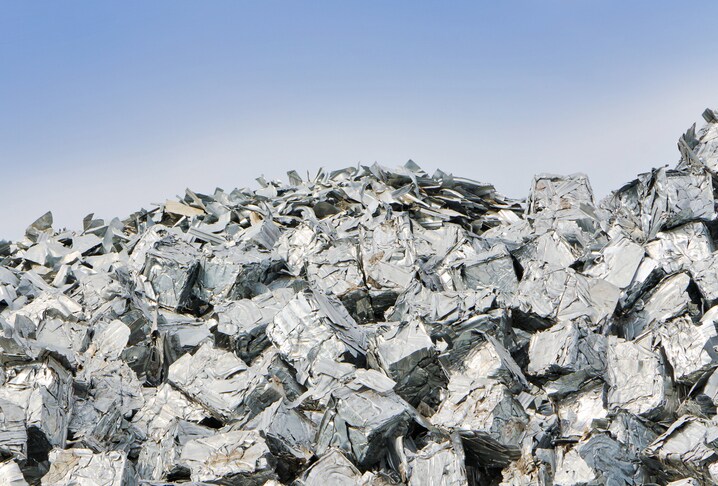
- Aluminum: This metal can be recycled indefinitely without losing its inherent properties. Recycled aluminum is widely used in automotive, packaging, and construction industries.
- Steel: Steel is another material that retains its strength and versatility after recycling. In fact, a significant portion of global steel production comes from scrap.
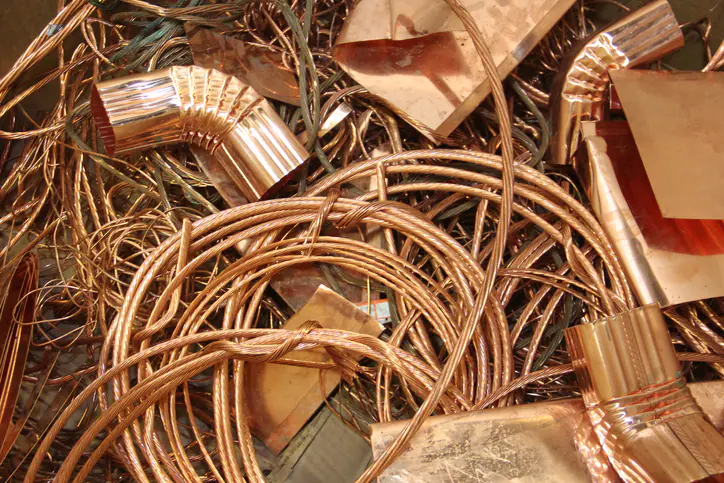
- Copper: Recycled copper maintains its conductivity and is suitable for electrical applications, plumbing, and more.
However, the quality of recycled metals depends on the purity of the scrap and the effectiveness of the recycling process. Impurities or contamination can affect the final product, which is why rigorous sorting and refining are essential.
Benefits of Using Recycled Metal in Production
There are several compelling reasons for manufacturers to incorporate more recycled content into their supply chains:
- Environmental Impact: Recycling metals significantly reduces the need for mining and extraction, which are energy-intensive and environmentally disruptive. For more on this, see how how recycled metals reduce emissions.
- Energy Savings: Producing metals from scrap generally requires much less energy than processing raw ore. For example, recycling aluminum saves up to 95% of the energy compared to producing it from bauxite. Learn more about energy savings from metal recycling.
- Cost Efficiency: Using recycled materials can lower production costs, as scrap is often less expensive than virgin metals.
- Resource Conservation: Recycling helps conserve finite natural resources and supports a more sustainable, circular economy. Discover more about how recycling supports circular economy.
Challenges and Limitations of Replacing New Metal with Recycled Material
While the advantages are clear, there are also challenges to consider when increasing the use of recycled metals:
- Quality Control: Maintaining consistent quality and purity can be difficult, especially if the scrap is mixed or contaminated.
- Supply Chain Limitations: The availability of high-quality scrap metal can fluctuate, affecting production schedules and costs.
- Technical Constraints: Some specialized applications, such as aerospace or medical devices, may require metals with extremely tight tolerances or specific properties that are easier to achieve with virgin materials.
- Sorting and Processing: Effective recycling requires advanced sorting, cleaning, and refining technologies, which can add complexity and cost.
Despite these obstacles, ongoing advancements in recycling technology and quality assurance are making it increasingly feasible to use recycled metals in a wider range of applications. Many manufacturers are already integrating significant proportions of recycled content into their products. For insights into why this shift is happening, see why manufacturers use recycled metals.
How the Recycling Process Works
The journey from scrap to usable material involves several key steps:
- Collection: Metals are gathered from various sources, including consumer goods, industrial waste, and construction debris.
- Sorting: Scrap is sorted by type and grade to ensure compatibility and purity.
- Processing: The sorted metals are cleaned, shredded, and melted down in furnaces.
- Refining: Impurities are removed to achieve the desired quality and composition.
- Manufacturing: The refined metal is cast or rolled into new products, ready for use in manufacturing.
For a comprehensive overview of how metal recycling works and its role in the industry, see this introduction to metal recycling.
Industry Examples: Where Recycled Metal Is Making an Impact
Many sectors are already benefiting from the use of recycled metals. The automotive industry, for example, uses large amounts of recycled steel and aluminum in vehicle bodies and components. The construction sector relies on recycled steel for beams, rebar, and structural elements. Even the electronics industry incorporates recycled copper and aluminum into wiring and circuit boards.
These examples demonstrate that, with the right processes and quality controls, recycled metals can effectively replace new materials in a wide range of applications—often with significant cost and environmental advantages.
Frequently Asked Questions
Is Recycled Metal as Strong as New Metal?
In most cases, recycled metals like steel, aluminum, and copper retain their original strength and properties when processed correctly. However, the quality depends on the purity of the scrap and the effectiveness of the recycling process.
Are There Products That Cannot Use Recycled Metal?
Some specialized products, such as certain aerospace or medical components, may require virgin metals to meet strict quality and safety standards. However, for most industrial and consumer applications, recycled metals are suitable and widely used.
How Does Using Recycled Metal Benefit the Environment?
Utilizing recycled metals reduces the need for mining, conserves natural resources, and saves significant amounts of energy. It also helps lower greenhouse gas emissions and supports a more sustainable, circular economy.
What Are the Main Challenges in Using Recycled Metals?
The main challenges include ensuring consistent quality, managing supply chain variability, and addressing technical requirements for certain applications. Advances in recycling technology and quality control are helping to overcome these obstacles.