
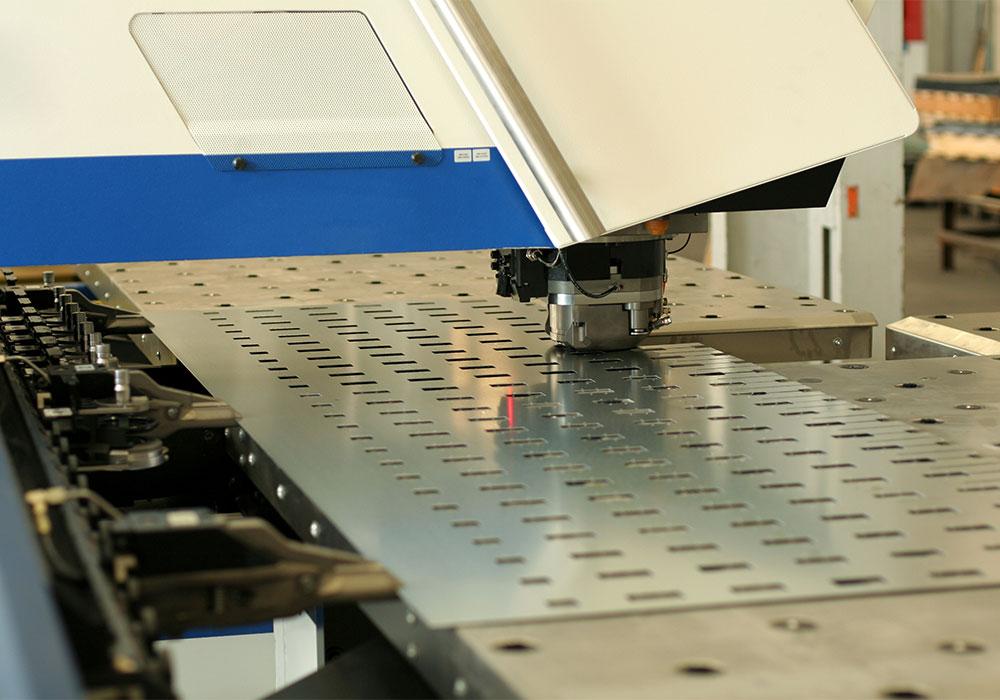
In the world of metal fabrication, efficiency, precision, and cost-effectiveness are crucial for maintaining a competitive edge. Progressive die stamping has emerged as a preferred method for producing high volumes of complex metal parts with consistent quality. This approach streamlines the manufacturing process, reduces waste, and enables manufacturers to meet demanding production schedules. Understanding the benefits of progressive die stamping can help businesses make informed decisions about their production strategies and achieve better results.
As industries continue to focus on sustainability and operational improvements, exploring advanced fabrication techniques is more important than ever. For those interested in how environmental trends are shaping the sector, the article on metal fabrication environmental trends provides additional insights into the broader context of manufacturing innovation.
How Progressive Die Stamping Works
Progressive die stamping is a metal forming process that uses a series of stations within a single die to perform multiple operations on a metal strip. As the strip moves through the die, each station performs a specific task—such as cutting, bending, punching, or coining—until the final part is completed. This continuous, automated process is ideal for producing large quantities of parts with intricate geometries and tight tolerances.
The process begins with a coil of metal fed into a stamping press. The press advances the strip through the die, where each station progressively shapes the metal. Finished parts are separated from the strip at the final station, ready for assembly or further processing. This method minimizes manual intervention and ensures consistent part quality throughout the production run.
Efficiency and Cost Savings in High-Volume Production
One of the most significant benefits of progressive die stamping is its ability to deliver high-volume production at a lower cost per part. By integrating multiple operations into a single die, manufacturers can reduce labor costs, minimize material waste, and shorten production cycles. This efficiency translates into faster turnaround times and increased output, making it an attractive option for industries such as automotive, electronics, and appliances.
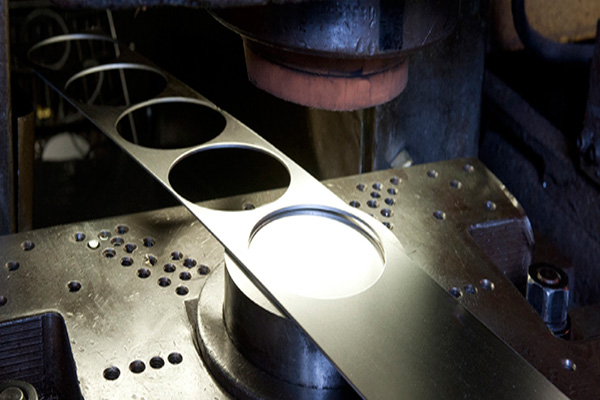
Compared to traditional stamping or manual fabrication, progressive die stamping reduces the need for secondary operations and manual handling. This not only lowers the risk of errors and defects but also supports lean manufacturing principles by streamlining workflow and optimizing resource use.
Precision and Consistency in Metal Parts
Achieving precise dimensions and repeatable results is essential in modern manufacturing. Progressive die stamping excels in delivering consistent, high-quality parts with tight tolerances. The use of a single die for multiple operations ensures that each part is produced to the same specifications, reducing variability and improving overall product quality.
This level of accuracy is particularly valuable for industries that require complex shapes or intricate features, such as connectors, brackets, and electronic components. The process also supports the use of a wide range of metals, including steel, aluminum, copper, and brass, offering flexibility for different applications.
Material Utilization and Waste Reduction
Another key advantage of progressive die stamping is its efficient use of raw materials. The process is designed to maximize material utilization by carefully planning the layout of parts within the metal strip. This reduces scrap and lowers material costs, contributing to more sustainable manufacturing practices.
For businesses focused on environmental responsibility, minimizing waste is a critical goal. Progressive die stamping aligns well with efforts to reduce the environmental impact of manufacturing. To learn more about the intersection of sustainability and fabrication, consider reading about eco friendly fabrication cost benefits for businesses.
Design Flexibility and Complex Geometries
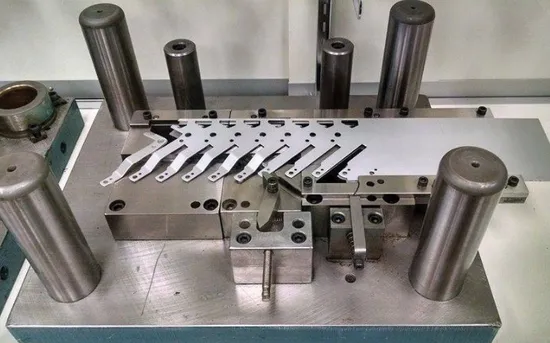
Progressive die stamping offers exceptional design flexibility, allowing manufacturers to produce parts with intricate shapes, multiple bends, and complex features in a single pass. This capability reduces the need for additional forming or assembly steps, saving time and resources.
The process supports rapid prototyping and easy adjustments to part designs, making it suitable for both new product development and ongoing production. As market demands evolve, manufacturers can adapt their tooling and processes to accommodate changes without significant downtime or expense.
Enhanced Safety and Automation
Automation is a cornerstone of progressive die stamping, reducing the need for manual handling and improving workplace safety. By minimizing operator intervention, the process lowers the risk of injuries and ensures a safer production environment. For more information on maintaining safety standards in metal stamping, see this comprehensive overview of safety in the metal stamping industry.
Automated presses and material handling systems further enhance productivity and allow manufacturers to scale operations efficiently. This level of automation is especially important in industries where high output and consistent quality are essential.
Applications Across Multiple Industries
The versatility of progressive die stamping makes it a preferred choice across a wide range of industries. Common applications include:
- Automotive components such as brackets, clips, and connectors
- Electrical and electronic parts, including terminals and contacts
- Appliance hardware and enclosures
- Medical device components
- Consumer products requiring high-volume, precision parts
As industries continue to demand higher quality and faster production, progressive die stamping remains a reliable solution for meeting these needs.
Supporting Sustainable and Innovative Manufacturing
In addition to its operational advantages, progressive die stamping supports broader goals of sustainability and innovation. By reducing waste, optimizing material use, and enabling efficient production, this method aligns with current trends in eco-friendly manufacturing. Companies seeking to stay ahead in a competitive market can benefit from adopting advanced techniques that support both profitability and environmental responsibility.
For a deeper look at how the industry is evolving, the article on future of sustainable metal fabrication explores upcoming trends and technologies shaping the sector.
Frequently Asked Questions
What types of materials can be used in progressive die stamping?
Progressive die stamping is compatible with a variety of metals, including steel, stainless steel, aluminum, copper, and brass. The choice of material depends on the specific requirements of the part, such as strength, conductivity, and corrosion resistance.
How does progressive die stamping reduce manufacturing costs?
By combining multiple operations into a single automated process, progressive die stamping reduces labor costs, minimizes material waste, and shortens production times. This leads to a lower cost per part, especially in high-volume production runs.
Is progressive die stamping suitable for small production runs?
While the process is most cost-effective for large quantities, it can also be used for smaller runs if the part complexity and precision requirements justify the initial tooling investment. For prototyping or low-volume production, manufacturers may consider alternative methods depending on project needs.