
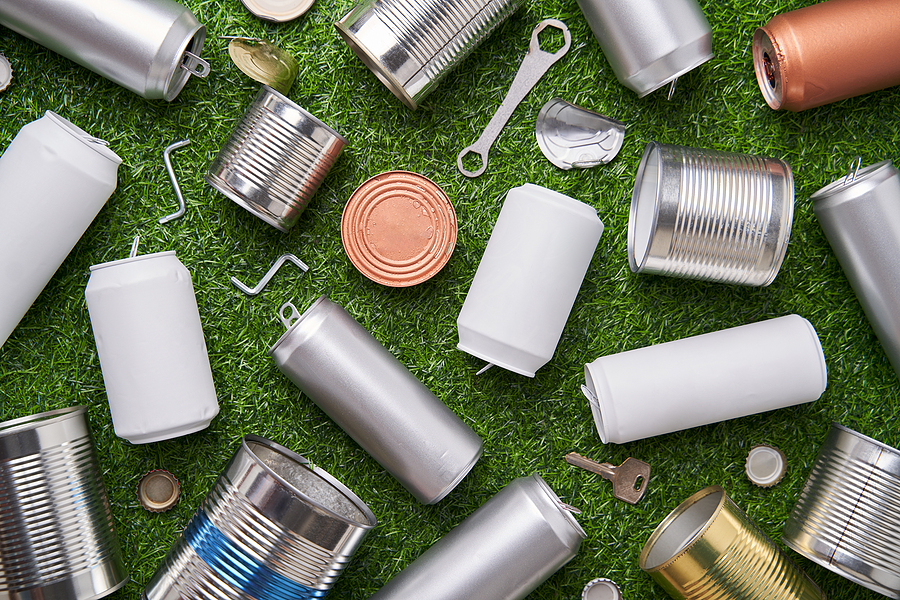
As the demand for sustainable manufacturing grows, the importance of efficient metal recycling becomes increasingly clear. Yet, despite technological advances and heightened environmental awareness, significant barriers to large-scale metal recycling persist. These obstacles impact everything from collection and sorting to processing and market adoption, limiting the full potential of metal recovery efforts. Understanding these challenges—and the strategies to overcome them—is essential for businesses, policymakers, and communities aiming to close the loop on metal use.
This article explores the main factors that hinder widespread metal recycling and highlights practical solutions for each. Along the way, we’ll reference related topics like best practices for stamping coated steels, which intersect with recycling processes and material quality.
Key Obstacles in Scaling Up Metal Recycling
Several interconnected issues make it difficult to expand metal recycling operations. These range from technical and economic barriers to regulatory and social challenges. Addressing these factors is crucial for building a more circular economy and reducing reliance on virgin materials.
Collection and Sorting: The First Major Hurdle
One of the most significant barriers to large-scale metal recycling is the efficient collection and sorting of scrap. Metals are often mixed with other materials or contaminated with coatings, plastics, or hazardous substances. This contamination complicates the recycling process and can degrade the quality of the recovered metal.
- Mixed waste streams: Household and industrial waste streams frequently combine metals with non-recyclable materials, making separation labor-intensive and costly.
- Material identification: Advanced sorting technologies, such as eddy current separators and optical sensors, are expensive and not always available in all facilities.
- Coated and composite metals: Items like painted steel or multi-layered products require additional processing steps, as discussed in topics like best practices for stamping coated steels.
Economic and Market Challenges
The economics of recycling metals at scale can be unfavorable, especially when market prices for virgin metals are low. Fluctuating commodity prices, high capital investment requirements, and inconsistent demand for recycled products all contribute to the problem.
- Price volatility: When the price of new metals drops, recycled materials may become less competitive, discouraging investment in recycling infrastructure.
- High upfront costs: Setting up advanced recycling plants requires significant capital, which can be a deterrent for smaller operators.
- Limited end markets: Some recycled metals, especially those with impurities, may have fewer applications, reducing their market value.
Regulatory and Policy Limitations
Inconsistent regulations and lack of supportive policies can also act as barriers to large-scale metal recycling. Without clear standards and incentives, recycling rates remain suboptimal.
- Fragmented regulations: Different regions may have varying rules on waste management, making it difficult for recyclers to operate across borders.
- Lack of incentives: Insufficient subsidies or tax breaks for recycling initiatives can slow down the adoption of new technologies.
- Permitting delays: Lengthy approval processes for new recycling facilities can hinder expansion efforts.
Technological Solutions for Improved Metal Recovery
Despite these challenges, several technological advancements are helping to overcome obstacles in the recycling sector. Automation, digitalization, and improved process controls are making it easier to identify, sort, and process metals efficiently.
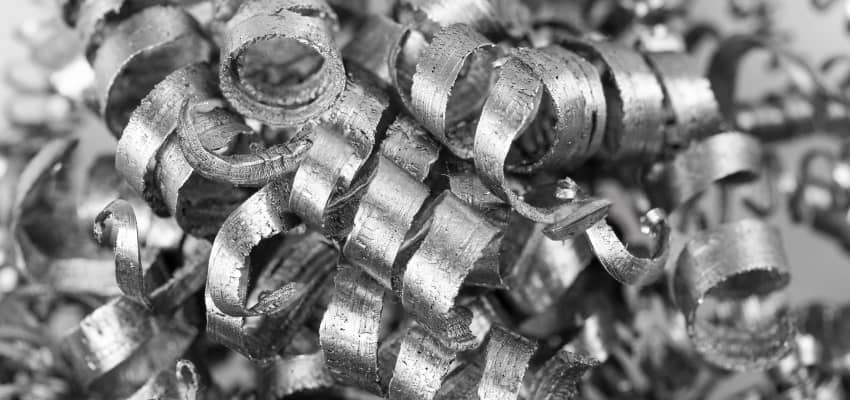
Advanced Sorting and Processing Technologies
New equipment, such as high-speed shredders and sensor-based sorting systems, can separate metals with greater accuracy and speed. These technologies reduce contamination and improve the quality of recycled output.
- Automated sorting: Robotics and AI-powered systems can identify and separate different metal types from complex waste streams.
- Magnetic and eddy current separators: These devices efficiently extract ferrous and non-ferrous metals, increasing recovery rates.
- Hydrometallurgical and pyrometallurgical processes: Advanced chemical and thermal techniques can recover metals from coated or composite materials.
Digitalization and Data-Driven Approaches
Digital tracking of materials throughout their lifecycle enables better resource management and traceability. This helps recyclers optimize operations and meet regulatory requirements.
- Material passports: Digital records of product composition support more efficient sorting and recycling at end-of-life.
- Process monitoring: Real-time data collection allows for continuous improvement of recycling processes.
Policy, Market, and Social Solutions
Addressing barriers to large-scale metal recycling requires more than just technology. Policy interventions, market development, and public engagement all play vital roles in scaling up recycling efforts.
Supportive Policies and Incentives
Governments can accelerate progress by introducing clear regulations, financial incentives, and streamlined permitting processes. Extended producer responsibility (EPR) schemes, for example, make manufacturers accountable for the end-of-life management of their products.
- Tax incentives: Reduced taxes for companies investing in recycling infrastructure encourage capital investment.
- Subsidies and grants: Financial support for research and development can lower the cost of adopting new technologies.
- Standardized regulations: Harmonizing rules across regions facilitates cross-border recycling and trade.
Developing End Markets for Recycled Metals
Expanding the use of recycled metals in manufacturing is essential for creating stable demand. Industries such as automotive, construction, and electronics can benefit from high-quality recycled inputs, provided that standards are maintained.
- Quality assurance: Certification schemes and quality standards help build trust in recycled materials.
- Product innovation: Designing products for easier disassembly and recycling can increase the value of recovered metals.
- Market education: Promoting the benefits of recycled metals to manufacturers and consumers supports broader adoption.
Community Engagement and Awareness
Public participation is crucial for effective collection and sorting. Educational campaigns, convenient drop-off points, and incentives for recycling can boost participation rates and improve material quality.
- Awareness programs: Informing the public about the environmental and economic benefits of recycling increases engagement.
- Convenient infrastructure: Accessible recycling bins and collection centers make it easier for individuals and businesses to participate.
- Incentive schemes: Deposit-return systems and rewards for recycling can motivate higher participation.
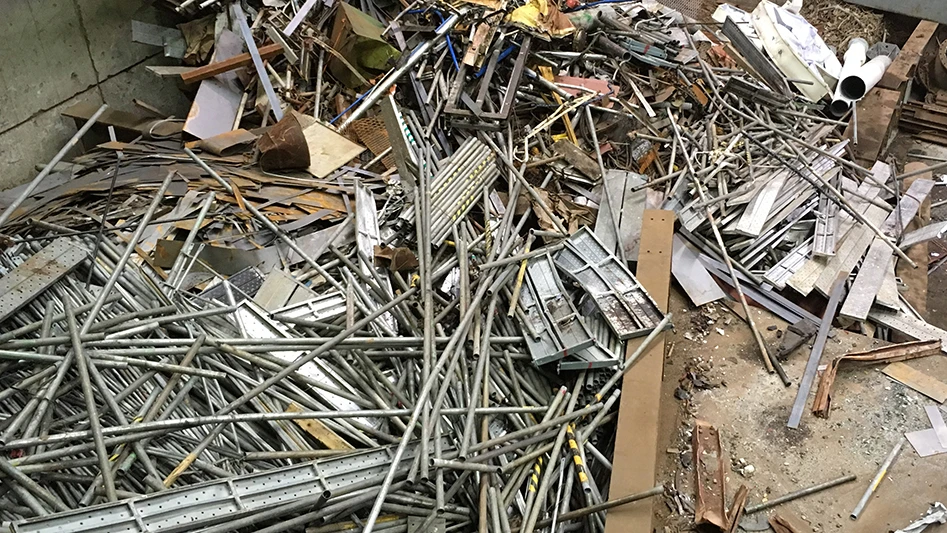
Examples of Commonly Recycled Metals
Metals such as aluminum, copper, brass, and stainless steel are among the most frequently recycled materials worldwide. For a deeper look at which non-ferrous metals are most commonly recycled and their applications, see this overview of commonly recycled non-ferrous metals.
Frequently Asked Questions
What are the main challenges in recycling metals at scale?
The primary challenges include inefficient collection and sorting, contamination of scrap materials, high processing costs, fluctuating market prices, and inconsistent regulations. Overcoming these requires a combination of advanced technology, supportive policies, and public engagement.
How can technology improve large-scale metal recycling?
Automation, robotics, and sensor-based sorting systems can increase the efficiency and accuracy of separating metals from waste streams. Digital tools for tracking and managing materials also help optimize recycling operations and compliance.
What role do policies and incentives play in metal recycling?
Supportive policies, such as tax incentives, subsidies, and standardized regulations, encourage investment in recycling infrastructure and technology. Extended producer responsibility programs also ensure manufacturers contribute to end-of-life management of their products.
How can manufacturers ensure the quality of recycled metals?
Implementing quality assurance programs, adhering to industry standards, and investing in advanced processing technologies help maintain the integrity and usability of recycled metals for various applications.
Conclusion
Overcoming the barriers to large-scale metal recycling is essential for building a more sustainable industrial future. By addressing technical, economic, regulatory, and social challenges, stakeholders can unlock the full potential of metal recovery. Continued innovation, supportive policies, and public participation will be key to making large-scale recycling both practical and profitable.