

When it comes to creating captivating and enduring spaces, architectural metal for museums plays a pivotal role. Museums across the globe have increasingly turned to architectural metal to enhance their design and functionality. This article explores the significance and application of architectural metal in museums, shedding light on how it transforms these cultural spaces into modern marvels.
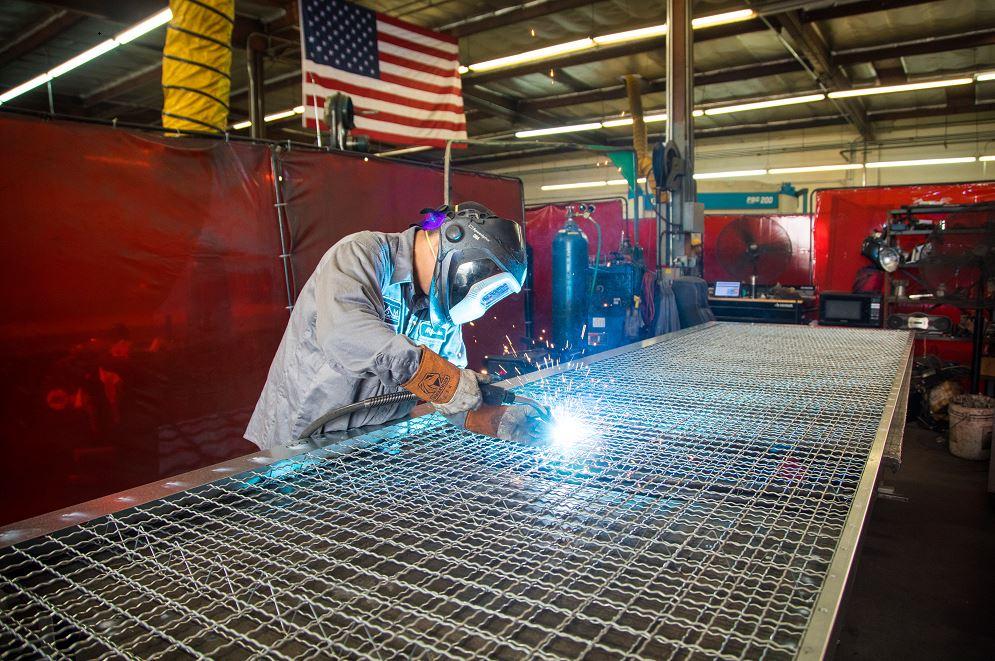
The Role of Architectural Metal in Museums
Architectural metal serves as a bridge between structural integrity and aesthetic appeal. In museums, where both durability and visual impact are paramount, metal elements offer a perfect solution. The versatility of metal allows architects and designers to experiment with various forms while ensuring the structure’s longevity.
Key Benefits of Using Architectural Metal
Durability and Longevity
Museums are high-traffic areas that require materials capable of withstanding wear and tear. Metals like steel and aluminum provide the necessary strength to endure daily use, minimizing maintenance costs over time.
Design Flexibility
With architectural metal, designers have the freedom to create unique shapes and structures. This flexibility allows for innovative designs that can highlight a museum’s theme or exhibit, providing visitors with an unforgettable experience.
Applications of Architectural Metal in Museums
Exterior Facades
Metal facades are not only visually striking but also functional. They protect the building from external elements while offering opportunities for artistic expression. Many museums use perforated metal panels to create stunning visual effects.
Interior Elements
Inside museums, architectural metal is used for staircases, railings, and even exhibit displays. The sleek, modern look of metal complements various artistic styles, enhancing the overall ambiance.
Implementing Metal Art in Museum Exhibits
Sculptures and Artwork
Metal sculptures and installations are becoming increasingly popular in museums. Artists and fabricators collaborate to produce pieces that are not only durable but also captivating.
Interactive Displays
Architectural metal can also be used to create interactive exhibits. These installations engage visitors, making the museum experience more dynamic and informative.
Sustainability and Environmental Impact
In today’s world, sustainability is a top priority. Architectural metal is recyclable, making it a sustainable choice for museum construction. The use of recycled metals can significantly reduce a project’s carbon footprint.
Case Studies: Metal in Museum Architecture
The Louvre Abu Dhabi
This museum features a stunning dome made of aluminum and stainless steel. Its intricate design creates a ‘rain of light’ effect, demonstrating the potential of metal in architectural innovation.
The Broad in Los Angeles
The Broad’s honeycomb-like exterior is made from white fiberglass-reinforced concrete and metal. This unique design showcases how metal can be used to achieve both aesthetic appeal and functionality.
Challenges and Considerations
While architectural metal offers numerous benefits, there are challenges to consider. These include potential corrosion and the need for regular maintenance. However, with proper treatment and finishes, these issues can be mitigated.
Innovations in Architectural Metal Fabrication
The field of architectural metal fabrication is constantly evolving. New techniques and technologies are enhancing the quality and scope of metalwork, allowing for even more creative possibilities in museum design.
Maintaining Architectural Metal in Museums
Regular maintenance is crucial to preserve the appearance and integrity of metal elements. Techniques such as coating and cleaning can extend the lifespan of metal installations.
Conclusion: The Future of Architectural Metal in Museums
As museums continue to evolve, so too will the role of architectural metal. Its versatility, strength, and aesthetic potential make it an indispensable material in modern museum design. By integrating metal elements, museums can create spaces that are both inspiring and enduring.
Frequently Asked Questions
What types of metal are commonly used in museums?
Steel, aluminum, and stainless steel are common due to their durability and versatility.
How does architectural metal contribute to sustainability?
Architectural metal is often recyclable, reducing waste and environmental impact.
What are the maintenance requirements for metal in museums?
Regular cleaning and protective coatings are essential to prevent corrosion and maintain appearance.
For more information on architectural metal, visit All Metals Fabrication and Standard Iron.
Explore more on metal patina, custom sculptures, and metal finishes maintenance at Modern Metalworks.
This article contains affiliate links. We may earn a commission at no extra cost to you.