
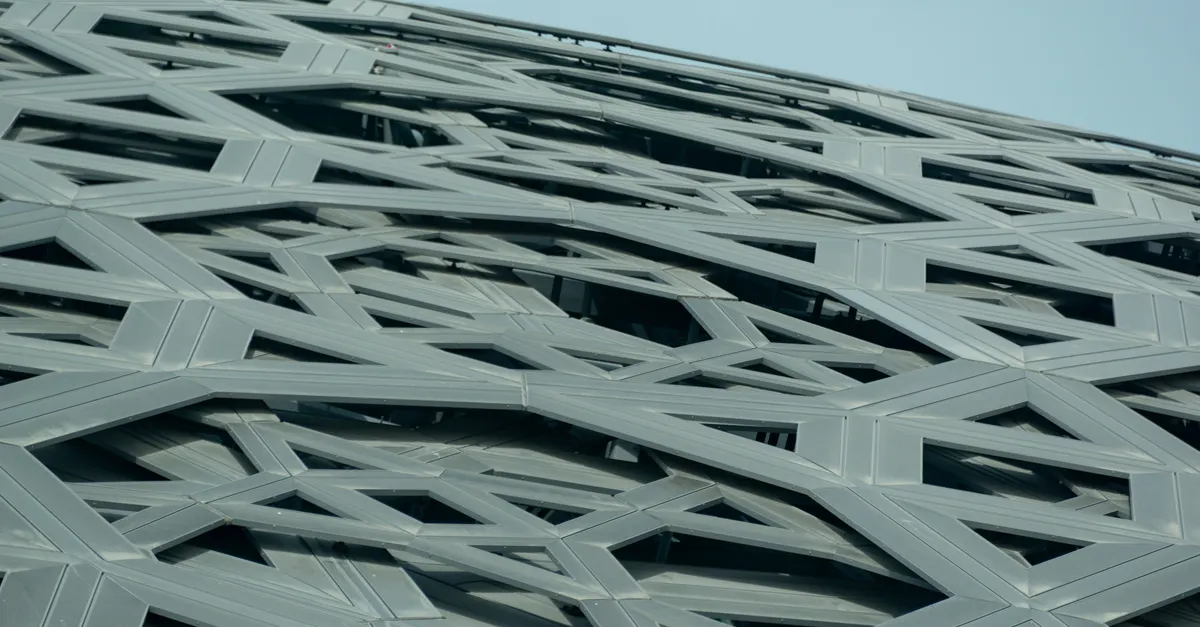
Modern architectural design increasingly relies on materials that offer both performance and sustainability. Among these, lightweight metals have become essential for innovative structures, enabling architects and engineers to achieve ambitious forms while meeting practical demands. Their unique combination of strength, versatility, and environmental benefits positions them at the forefront of contemporary construction. This article explores the key advantages of lightweight metals in architecture, with a special focus on their recyclability and environmental impact—an area often overlooked in general discussions.
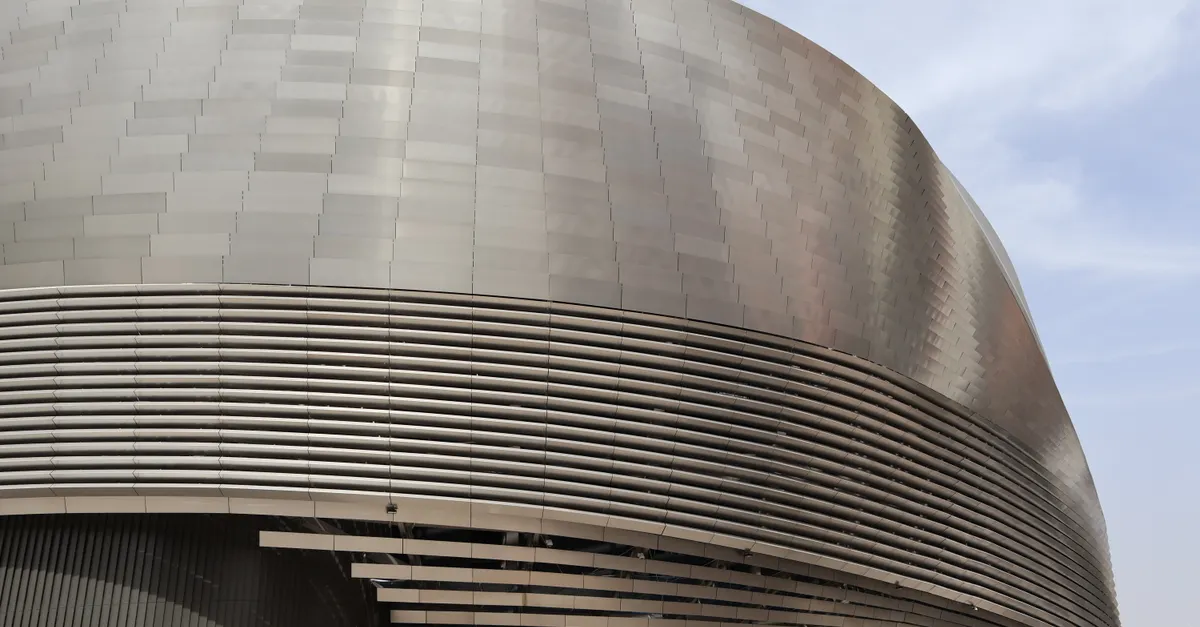
Understanding Lightweight Metals in Modern Construction
Lightweight metals such as aluminum, steel, titanium, and magnesium alloys are defined by their low density and high strength-to-weight ratios. These materials have transformed architectural design by allowing for larger spans, reduced structural loads, and more daring geometries. Their importance lies not only in their physical properties but also in their ability to support sustainable and efficient building practices.
In architectural contexts, these metals are commonly used for structural frameworks, facades, roofing, and interior elements. Their adaptability makes them suitable for a wide range of projects, from high-rise buildings to eco-friendly homes. For those interested in a deeper dive into material options, exploring lightweight structural metals for construction can provide valuable insights into specific alloys and their uses.
Structural Efficiency: Strength-to-Weight Ratio
One of the most significant benefits of lightweight metals is their exceptional strength-to-weight ratio. This property means that these metals can support substantial loads without adding unnecessary mass to the structure. For example, aluminum and advanced steel alloys can offer comparable or greater strength than traditional materials like concrete or wood, but at a fraction of the weight.
This efficiency translates into several practical advantages:
- Reduced foundation requirements: Lighter structures place less stress on foundations, which can lower construction costs and simplify site preparation.
- Longer spans and open spaces: The ability to create larger unsupported spans enables architects to design open, flexible interiors and dramatic exterior forms.
- Improved seismic performance: Lower mass reduces the forces experienced during earthquakes, enhancing building safety in seismic zones.
Compared to concrete or wood, lightweight metals can achieve similar or superior performance with less material, making them ideal for projects where both strength and efficiency are critical.
Sustainability and Environmental Impact of Lightweight Metals
Sustainability is a central concern in contemporary architecture, and lightweight metals offer several compelling advantages in this area. According to the Metal Construction Association, metal can reduce energy consumption, improve air quality, and be recycled indefinitely, all of which contribute to LEED certification and other green building standards.
Key environmental benefits include:
- Recyclability: Unlike many traditional materials, metals such as aluminum and steel can be recycled repeatedly without losing their structural integrity. This means that building components made from these metals can be reused or repurposed at the end of a structure’s life, reducing landfill waste and conserving resources.
- Lower embodied energy: The production of recycled metals typically requires significantly less energy than producing new metal from raw ore. For example, recycling aluminum uses about 5% of the energy needed for primary production, resulting in substantial energy savings over the building’s lifecycle.
- Improved air quality: Metal roofing and cladding can help reduce the urban heat island effect, lowering cooling loads and improving air quality in dense urban environments.
- Support for green certifications: The use of recyclable metals can contribute points toward LEED and similar certifications, supporting a project’s sustainability goals.
While competitors often mention sustainability in passing, few provide a detailed analysis of the recyclability and environmental impact of lightweight metals. This aspect is crucial for understanding their full ecological value, especially as the construction industry seeks to minimize its carbon footprint and promote circular economy principles.
Design Flexibility and Aesthetic Opportunities
Another major advantage of lightweight metals is the design flexibility they offer. These materials can be formed, extruded, or cast into a wide variety of shapes, enabling architects to realize complex geometries and intricate details that would be difficult or impossible with heavier, more brittle materials.
Benefits for architectural design include:
- Customizable forms: Metals can be bent, curved, or perforated to create unique facades, shading devices, or decorative elements.
- Variety of finishes: Options include brushed, polished, anodized, or powder-coated surfaces, allowing for a broad range of aesthetic effects.
- Integration with other materials: Lightweight metals pair well with glass, wood, and composites, supporting mixed-material designs that balance performance and visual appeal.
These features make lightweight metals a favorite for architects seeking to push the boundaries of form and function. Whether used for dramatic curtain walls or subtle interior accents, their versatility enables both expressive and efficient design solutions.
Comparing Lightweight Metals to Traditional Materials
When evaluating building materials, it’s important to consider how lightweight metals stack up against more conventional options like concrete and wood. Each material has its own set of advantages and limitations, but lightweight metals often stand out in several key areas:
- Durability: Metals are resistant to rot, pests, and many forms of weathering, resulting in longer service life and lower maintenance costs.
- Fire resistance: Many lightweight metals, such as steel and aluminum, offer excellent fire resistance compared to wood, enhancing building safety.
- Construction speed: Prefabricated metal components can be manufactured off-site and assembled quickly, reducing construction time and labor costs.
- Weight savings: Lighter materials simplify transportation and installation, especially for large-scale or high-rise projects.
However, it’s also important to acknowledge potential drawbacks, such as higher initial material costs or the need for specialized fabrication techniques. Balancing these factors is essential for selecting the right material for each project.
Best Practices for Incorporating Lightweight Metals in Design
To maximize the benefits of lightweight metals, architects and engineers should follow several best practices:
- Early integration: Involve metal specialists early in the design process to optimize structural systems and detailing.
- Consider recyclability: Choose alloys and finishes that support recycling and minimize environmental impact at end-of-life.
- Balance aesthetics and performance: Select finishes and profiles that meet both visual and functional requirements.
- Coordinate with other materials: Ensure compatibility with glass, insulation, and other building systems for seamless integration.
- Stay informed on standards: Reference relevant codes and certifications, such as LEED, to align with sustainability goals.
Following these guidelines helps ensure that projects benefit fully from the unique properties of lightweight metals, from initial concept through to long-term performance.
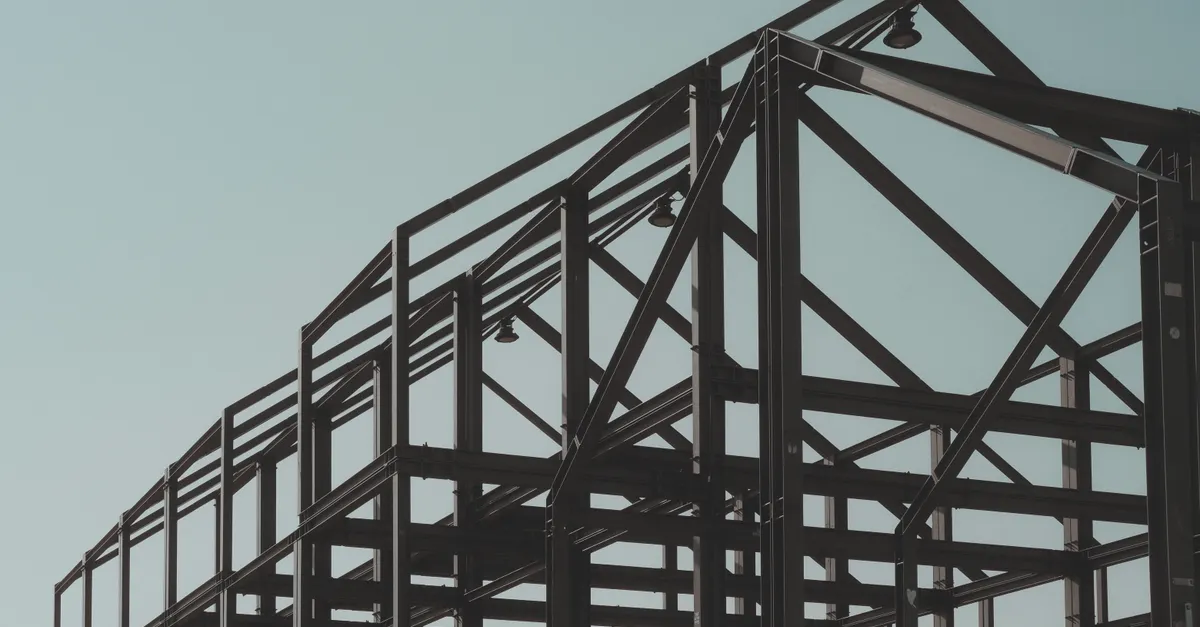
Conclusion: Looking Ahead at Lightweight Metals in Architecture
The use of lightweight metals in architectural design offers a compelling combination of structural efficiency, sustainability, and creative freedom. Their recyclability and positive environmental impact set them apart from many traditional materials, supporting the construction industry’s shift toward greener, more responsible practices. As technology advances and demand for sustainable solutions grows, lightweight metals are poised to play an even greater role in shaping the skylines of tomorrow.
Frequently Asked Questions
What are the main advantages of lightweight metals in architecture?
The primary benefits include a high strength-to-weight ratio, design flexibility, durability, fire resistance, and strong environmental credentials due to recyclability and energy efficiency.
How do lightweight metals contribute to sustainability in construction?
These metals can be recycled indefinitely without loss of quality, reducing the need for virgin materials and lowering embodied energy. Their use can also support LEED certification and help improve building energy performance.
Which lightweight metals are most commonly used in architectural projects?
Aluminum and steel are the most widely used, thanks to their availability, strength, and versatility. Other options include titanium and magnesium alloys, each offering unique properties for specialized applications.