
“`html
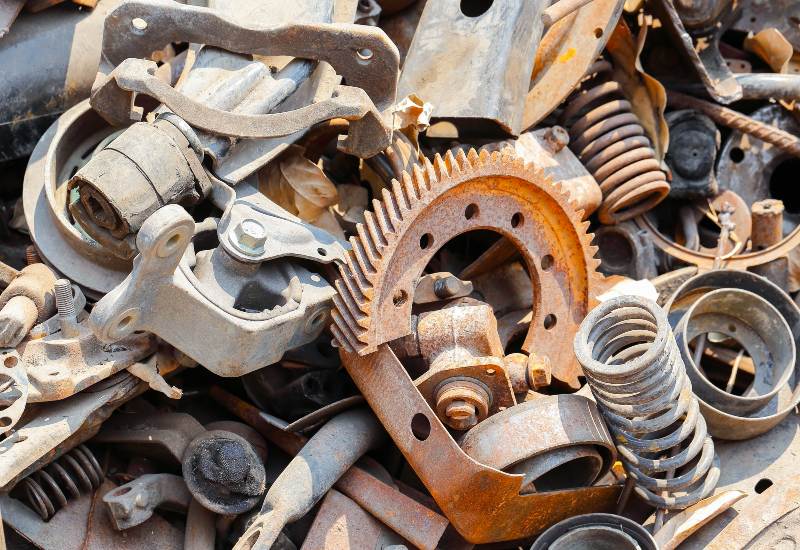
The process of smelting recycled metals has undergone significant transformations in recent years. These changes are driven by the need to improve efficiency, reduce environmental impact, and meet the growing demand for sustainable practices. As industries continue to innovate, the methods used to recycle and smelt metals are becoming more sophisticated, offering numerous benefits over traditional approaches.
Before diving into the latest techniques, it’s essential to understand the broader implications of these advancements. They not only enhance the quality of recycled metals but also contribute to a more sustainable future. For those interested in related topics, exploring stamping press vibration control tips can provide additional insights into precision and efficiency in metalworking.
Innovative Techniques in Metal Recycling
Recent innovations in metal recycling have focused on improving the efficiency and environmental friendliness of the smelting process. One such technique is the use of advanced furnaces that operate at lower temperatures, reducing energy consumption while maintaining high-quality output. Additionally, the integration of AI and machine learning in sorting and processing metals has streamlined operations, minimizing waste and maximizing recovery rates.
Environmental Impact and Sustainability
One of the primary goals of modern metal smelting is to reduce its environmental footprint. By adopting cleaner technologies, such as electric arc furnaces and plasma smelting, industries can significantly cut down on emissions and energy use. These methods not only help in conserving natural resources but also align with global sustainability goals. For more detailed information on sustainable building materials, you can refer to this comprehensive guide.
Economic Benefits of Advanced Smelting
The economic advantages of adopting advanced smelting techniques are substantial. By improving the efficiency of metal recovery processes, companies can reduce costs and increase profitability. Enhanced smelting methods also lead to higher-quality recycled metals, which can be sold at a premium. This economic incentive drives further innovation and investment in the sector.

Challenges and Future Directions
Despite the progress made, the smelting of recycled metals still faces challenges. The variability in metal composition and contamination levels can complicate the recycling process. However, ongoing research and development are expected to address these issues, paving the way for even more efficient and sustainable practices in the future.
Frequently Asked Questions
What are the main benefits of using advanced smelting techniques?
Advanced smelting techniques offer improved efficiency, reduced environmental impact, and higher-quality recycled metals, which can lead to economic benefits for companies.
How do modern smelting methods reduce environmental impact?
Modern methods, such as electric arc furnaces and plasma smelting, lower emissions and energy consumption, aligning with sustainability goals.
What challenges does the industry face with recycled metal smelting?
The main challenges include dealing with the variability in metal composition and contamination, which can affect the efficiency of the recycling process.
“`