

As the construction industry continues to grow, so does its impact on the environment. One of the most effective ways to address these challenges is by incorporating recycled materials into building projects. This approach not only helps reduce the demand for new resources but also offers a range of environmental benefits that contribute to a more sustainable future. In this article, we’ll explore how using recycled materials in construction leads to energy savings, conserves natural resources, and helps reduce pollution and greenhouse gas emissions, providing practical insights for builders, architects, and anyone interested in sustainable development.
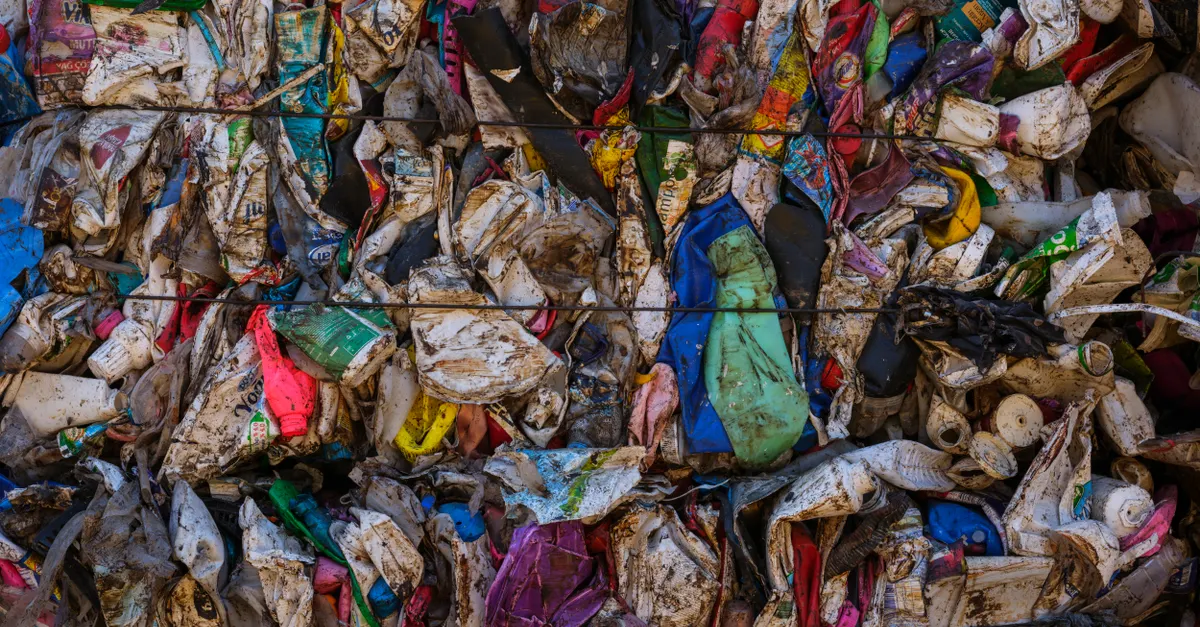
How Recycled Materials Drive Energy Savings in Construction
One of the most significant environmental benefits of recycled materials in construction is the substantial reduction in energy consumption. Producing building materials from raw resources, such as mining ore for steel or extracting bauxite for aluminum, requires large amounts of energy. In contrast, recycling existing materials uses far less energy, making it a more efficient and environmentally friendly option.
For example, recycling aluminum saves up to 95% of the energy needed to produce new aluminum from raw bauxite, according to government and academic sources. This dramatic energy saving translates directly to lower carbon emissions and less strain on the planet’s energy resources. Other materials, such as steel, glass, and plastics, also require significantly less energy to recycle than to manufacture from virgin materials.
By incorporating recycled materials into construction projects, builders can help reduce the overall energy footprint of the industry. This not only lowers operational costs but also supports broader efforts to combat climate change by reducing reliance on fossil fuels and minimizing greenhouse gas emissions.
Resource Conservation: Protecting Natural Assets
Another key advantage of using recycled materials in construction is the conservation of valuable natural resources. The extraction and processing of raw materials—such as timber, minerals, and water—can have a profound impact on ecosystems and biodiversity. By choosing recycled options, the construction industry can help preserve these resources for future generations.
For instance, using scrap steel instead of virgin ore reduces the need for mining, which in turn minimizes habitat destruction, water use, and the generation of mining waste. Similarly, recycling concrete and masonry from demolition sites reduces the demand for new aggregates, helping to conserve sand and gravel deposits. These practices not only protect natural landscapes but also decrease the environmental costs associated with material extraction and transportation.
Resource conservation is especially important as global demand for construction materials continues to rise. By prioritizing recycled content, builders and developers can play a crucial role in promoting sustainable resource management and reducing the industry’s overall environmental impact. For those interested in learning more about specific materials, there’s a helpful overview of the best recycled materials for construction that highlights practical options for various projects.
Reducing Pollution and Greenhouse Gas Emissions
Pollution reduction is a central component of the environmental benefits of recycled materials in construction. Traditional manufacturing processes for building materials often generate significant air and water pollution, as well as greenhouse gas emissions. By using recycled inputs, these negative impacts can be greatly diminished.
According to research, recycling can reduce greenhouse gas emissions on a scale equivalent to removing over one billion cars from the road for a year. This is achieved by lowering the energy required for production and by diverting waste from landfills, where decomposing materials can release methane and other harmful gases. Additionally, recycling construction and demolition waste helps prevent soil and water contamination caused by improper disposal of hazardous substances.
Beyond emissions, recycling also reduces the amount of solid waste sent to landfills. Construction and demolition activities account for a large portion of landfill waste, but by reusing materials like concrete, wood, and metals, the industry can significantly cut down on landfill use and associated environmental risks.
Common Types of Recycled Materials in Construction
The construction industry has embraced a wide range of recycled materials, each offering unique benefits for sustainability and performance. Some of the most commonly used recycled materials include:
- Recycled steel: Used in structural frameworks, reinforcing bars, and building components. Steel is highly recyclable and retains its strength and durability through multiple cycles.
- Recycled concrete and masonry: Crushed concrete and bricks from demolition sites can be reused as aggregate in new concrete mixes or as base material for roads and foundations.
- Recycled glass: Used in insulation, tiles, and decorative features. Glass can be recycled indefinitely without loss of quality.
- Recycled plastics: Increasingly used in products such as composite lumber, insulation, and piping. These materials help reduce plastic waste and offer innovative solutions for modern construction.
- Recycled wood: Salvaged lumber and wood products can be repurposed for flooring, paneling, and furniture, preserving forests and reducing the need for new timber harvesting.
Each of these materials contributes to a more sustainable construction process by reducing the demand for virgin resources and minimizing environmental impacts. Builders can also explore options like recycled plastic building materials for eco-friendly construction, which are gaining popularity for their durability and versatility.
Challenges and Considerations When Using Recycled Materials
While the environmental benefits of recycled materials are clear, there are also challenges that must be addressed to maximize their effectiveness in construction. Quality control is essential, as recycled materials must meet the same standards as new products to ensure safety and performance. Additionally, sourcing consistent supplies of high-quality recycled materials can be difficult in some regions.
Builders and project managers should work closely with suppliers to verify the origin and quality of recycled materials. It’s also important to consider the environmental impact of transportation, as shipping recycled materials over long distances can offset some of the sustainability gains. By planning carefully and choosing local sources whenever possible, construction professionals can overcome these challenges and fully realize the benefits of recycling.

The Future Outlook for Sustainable Construction
The use of recycled materials in construction is expected to grow as environmental awareness increases and regulations become more stringent. Advances in recycling technology and material science are making it easier to incorporate recycled content into a wide variety of building products, from structural steel to innovative composites.
As more companies and governments prioritize sustainability, the construction industry will play a pivotal role in reducing environmental impacts. By embracing recycled materials, builders can help create healthier, more resilient communities while conserving resources for future generations. Continued investment in recycling infrastructure and education will be key to unlocking the full potential of sustainable construction practices.
Frequently Asked Questions
What are the main environmental benefits of using recycled materials in construction?
The primary advantages include significant energy savings, conservation of natural resources, and reduction of pollution and greenhouse gas emissions. By reusing materials, the construction industry can lower its overall environmental footprint and support a more sustainable future.
How does recycling help conserve resources in construction?
Recycling reduces the need to extract and process new raw materials, such as timber, minerals, and water. This helps preserve natural ecosystems, minimizes habitat destruction, and decreases the environmental impacts associated with resource extraction and transportation.
Are there any drawbacks to using recycled materials in construction projects?
While recycled materials offer many benefits, there can be challenges related to quality control, supply consistency, and transportation impacts. Ensuring that recycled materials meet industry standards and sourcing them locally can help address these concerns.