
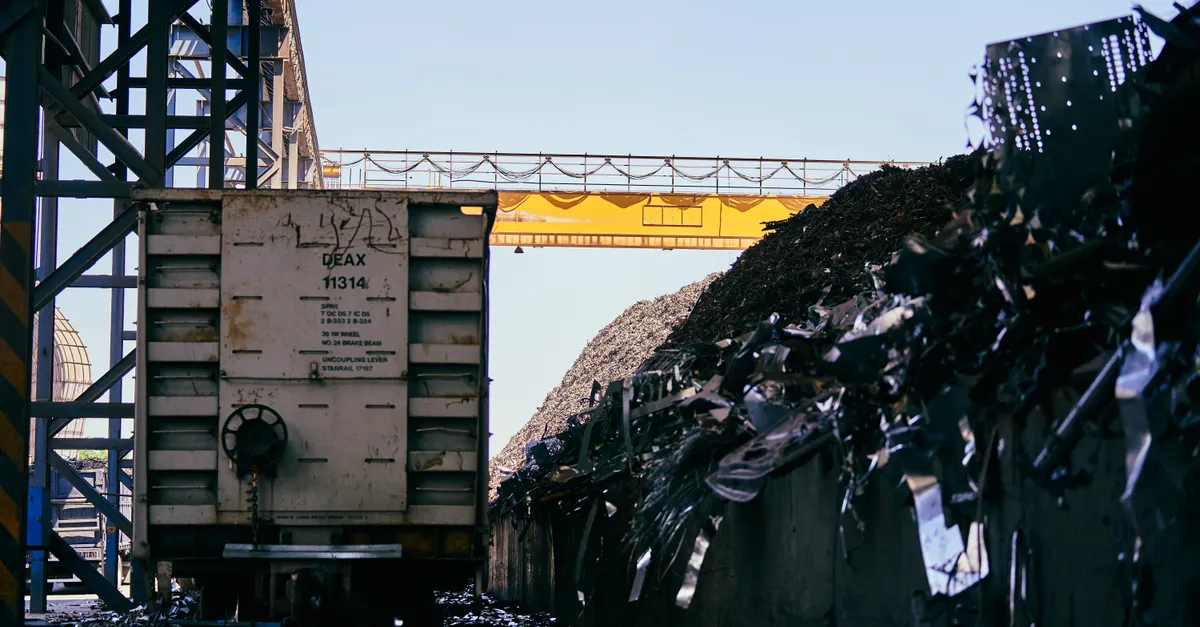
The use of recycled metals in architecture is gaining momentum as the construction industry seeks more sustainable and environmentally responsible practices. By integrating materials that have already served a previous life, architects and builders are able to reduce waste, conserve natural resources, and create innovative structures that reflect a commitment to sustainability. This approach not only benefits the environment but also offers unique design possibilities and can contribute to the overall efficiency of a building project. In this guide, we’ll explore the advantages, challenges, and real-world applications of using recycled metals in architectural projects, providing insight for professionals and enthusiasts interested in greener building solutions.
Understanding Recycled Metals in Modern Architecture
Recycled metals refer to materials that have been recovered from end-of-life products or industrial scrap and reprocessed for use in new construction. In the context of architecture, these metals are often sourced from demolished buildings, manufacturing byproducts, or consumer goods. The process involves collecting, sorting, cleaning, and melting the scrap metal before it is formed into new products suitable for building applications.
The growing interest in using recycled metals stems from both environmental concerns and the desire to innovate in design. As the construction sector accounts for a significant portion of global resource consumption and waste generation, integrating recycled materials is seen as a practical step toward more responsible building practices. Additionally, recycled metals can offer distinctive textures, patinas, and structural properties that appeal to architects seeking to create visually striking and meaningful spaces.
Key Benefits of Recycled Metals in Architecture
There are several compelling reasons why architects and builders are turning to recycled metals for their projects. These advantages go beyond simple resource conservation and touch on broader themes of sustainability, cost, and design flexibility.
- Environmental Impact: Using recycled metals significantly reduces the demand for virgin ore extraction, which is energy-intensive and environmentally disruptive. This helps lower greenhouse gas emissions and minimizes habitat destruction.
- Energy Efficiency: The energy required to process recycled metal is typically much lower than that needed for new metal production. For example, recycling aluminum uses about 95% less energy than producing it from raw materials.
- Waste Reduction: By diverting scrap metal from landfills, architectural projects that use recycled metals help decrease overall waste and promote a circular economy.
- Design Versatility: Recycled metals can be used in a wide range of applications, from structural frameworks to decorative facades, roofing, and interior elements. Their unique appearance can add character and authenticity to a building.
- Cost Savings: In some cases, recycled metals can be more affordable than newly mined materials, especially when local sources are available and transportation costs are minimized.
For a broader look at the advantages of using recycled materials in the building sector, including metals, glass, and other components, you can explore related insights that highlight additional environmental and economic benefits.
Common Types of Recycled Metals Used in Building Projects
Several types of metals are commonly reclaimed and repurposed for architectural use. Each brings its own set of properties and potential applications:
- Recycled Steel: Widely used for structural beams, columns, and reinforcement bars. Steel is highly recyclable and retains its strength and durability even after multiple cycles of reuse.
- Aluminum: Popular for window frames, roofing, and cladding due to its light weight and corrosion resistance. Recycled aluminum is nearly indistinguishable in quality from new material.
- Copper: Often salvaged from electrical wiring and plumbing, recycled copper is valued for its conductivity and antimicrobial properties. It is used in roofing, gutters, and decorative elements.
- Brass and Bronze: These alloys are typically used for fixtures, railings, and ornamental details. Their rich patina and durability make them attractive for both interior and exterior applications.
Choosing the right type of recycled metal depends on the specific requirements of the project, including structural needs, aesthetic goals, and local availability.
Challenges of Incorporating Recycled Metals in Architecture
While the benefits are significant, there are also notable challenges associated with integrating recycled metals into architectural projects. Understanding these obstacles is crucial for successful implementation.
- Supply Chain Vulnerabilities: The availability of high-quality recycled metals can be inconsistent, depending on regional recycling infrastructure and market demand. This can lead to delays or increased costs if materials must be sourced from distant locations.
- Lack of Robust Standards: According to a 2025 report by NIST, one of the key hurdles in building a sustainable metals processing infrastructure is the absence of universally accepted standards for recycled content. This can make it difficult for architects and builders to verify the origin and quality of recycled metals, potentially impacting structural reliability and compliance with building codes.
- Processing and Quality Control: Recycled metals may contain impurities or variations in composition that require additional processing. Ensuring consistent quality is essential, especially for load-bearing or safety-critical components.
- Design Limitations: While recycled metals offer many creative possibilities, there may be constraints related to available forms, sizes, or finishes compared to newly manufactured materials.
Addressing these challenges often involves close collaboration between architects, suppliers, and recycling facilities. Specifying clear requirements, conducting thorough material testing, and staying informed about evolving industry standards can help mitigate risks and ensure successful outcomes.
Real-World Examples: Architectural Projects Showcasing Recycled Metals
Several innovative buildings around the world demonstrate the potential of recycled metals in contemporary architecture. These case studies highlight both the creative and practical aspects of using reclaimed materials.
1. The Bullitt Center, Seattle
Often cited as one of the greenest commercial buildings in the United States, the Bullitt Center incorporates recycled steel in its structural framework. The use of reclaimed materials contributed to the building’s net-zero energy and water goals, setting a benchmark for sustainable office design.
2. The Eden Project, Cornwall
This iconic complex of biomes in the UK features extensive use of recycled steel in its geodesic dome structures. The project demonstrates how large-scale architectural ambitions can be achieved while minimizing environmental impact through material reuse.
3. The High Line, New York City
Transformed from an abandoned elevated railway, the High Line park integrates recycled steel from the original tracks into its walkways, railings, and seating. This adaptive reuse project preserves the site’s industrial heritage while providing a vibrant public space.
4. The Crystal, London
As a showcase for sustainable urban development, The Crystal utilizes recycled aluminum and steel in both its façade and interior elements. The project emphasizes the role of recycled metals in achieving high levels of energy efficiency and environmental certification.
These examples illustrate how recycled metals can be successfully integrated into a variety of architectural contexts, from commercial and public spaces to infrastructure and cultural landmarks. Each project not only reduces environmental impact but also tells a story about the value of resourcefulness and innovation in design.

Looking Ahead: The Future of Recycled Metals in Architecture
The outlook for recycled metals in the building industry is promising, with ongoing advancements in recycling technology, supply chain management, and material standards. As awareness of climate change and resource depletion grows, more architects and developers are likely to prioritize recycled content in their projects.
Future trends may include:
- Greater transparency in material sourcing, supported by digital tracking and certification systems.
- Improved industry standards for recycled content, making it easier to specify and verify sustainable materials.
- Increased collaboration between architects, engineers, and recycling facilities to develop new applications and design strategies.
- Integration of recycled metals with other sustainable materials, such as recycled glass in architecture, to create holistic green building solutions.
As the industry continues to evolve, the creative use of recycled metals will play a key role in shaping a more sustainable and resilient built environment.
Frequently Asked Questions
What are the main environmental benefits of using recycled metals in architecture?
Recycled metals help reduce the need for new mining, lower energy consumption, and decrease greenhouse gas emissions. They also divert waste from landfills and support a circular economy, making them a sustainable choice for building projects.
Are there any drawbacks to using recycled metals in construction?
Some challenges include inconsistent supply, potential impurities, and a lack of standardized quality benchmarks. These issues can be addressed through careful sourcing, material testing, and collaboration with experienced suppliers.
Which metals are most commonly recycled for use in buildings?
Steel, aluminum, copper, brass, and bronze are among the most frequently recycled metals in architecture. Each offers unique properties suited to different structural and aesthetic applications.