
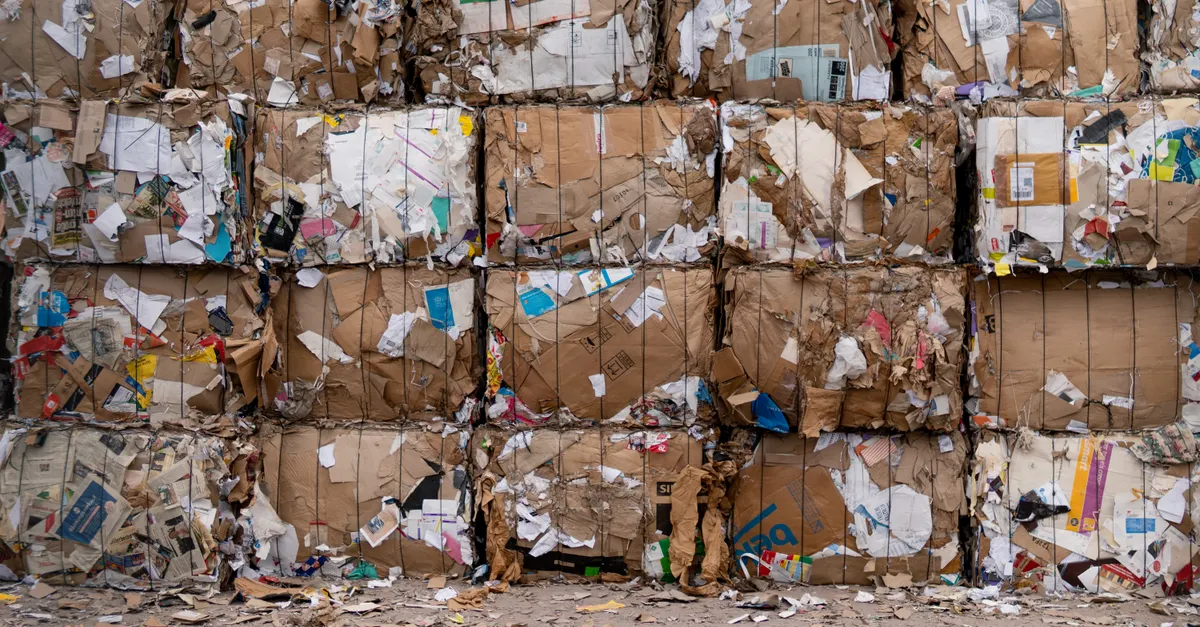
Urban environments are evolving rapidly as cities seek more sustainable ways to grow and thrive. One of the most promising approaches in this transformation is the integration of recycled materials in urban design. By reusing resources that would otherwise become waste, urban planners and architects are not only reducing environmental impact but also creating innovative, functional, and attractive spaces. This guide explores the types of recycled materials used, their environmental benefits, real-world examples, and the challenges faced in adopting these practices.
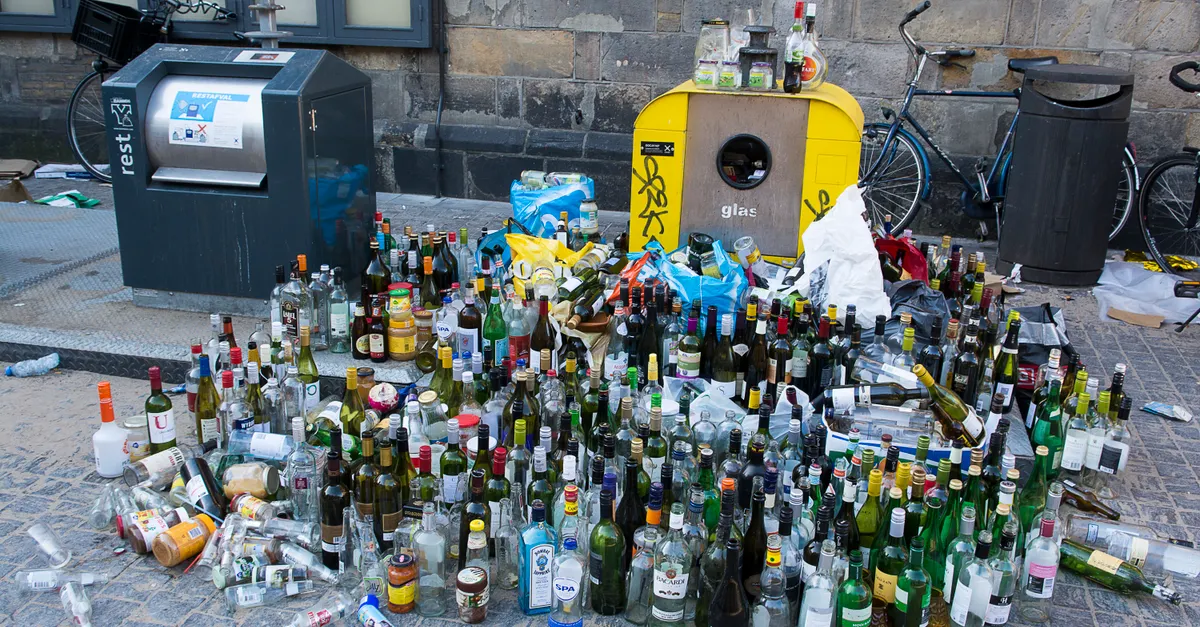
Understanding the Use of Recycled Materials in City Planning
In the context of city development, recycled materials refer to substances that have been recovered or repurposed from previous use and incorporated into new construction or landscaping projects. These can include items like reclaimed wood, recycled plastic, crushed glass, and repurposed metals. The adoption of such materials is a key aspect of sustainable urban design, aiming to minimize waste, conserve resources, and foster a circular economy within cities.
The importance of using recycled components in urban settings lies in their potential to address pressing environmental concerns. As cities continue to expand, the demand for raw materials grows, leading to increased extraction, energy use, and waste generation. By integrating recycled alternatives, urban designers can help mitigate these impacts while supporting innovative design solutions.
Common Types of Recycled Materials in Urban Projects
A wide variety of recycled substances are now being utilized in urban spaces, each offering unique characteristics and benefits. Some of the most prevalent types include:
- Recycled plastic: Used in everything from park benches and playground equipment to paving stones and fencing, recycled plastic is durable, weather-resistant, and reduces landfill waste. For more on how these materials are shaping construction, see this overview of recycled plastic building materials.
- Recycled rubber: Often sourced from used tires, recycled rubber is commonly found in urban landscaping, playground surfaces, and even as shock-absorbing layers beneath pavement. Its flexibility and resilience make it ideal for high-traffic public areas.
- Reclaimed wood: Salvaged from old buildings, shipping pallets, or decommissioned infrastructure, reclaimed wood brings character and sustainability to urban furniture, decking, and architectural features.
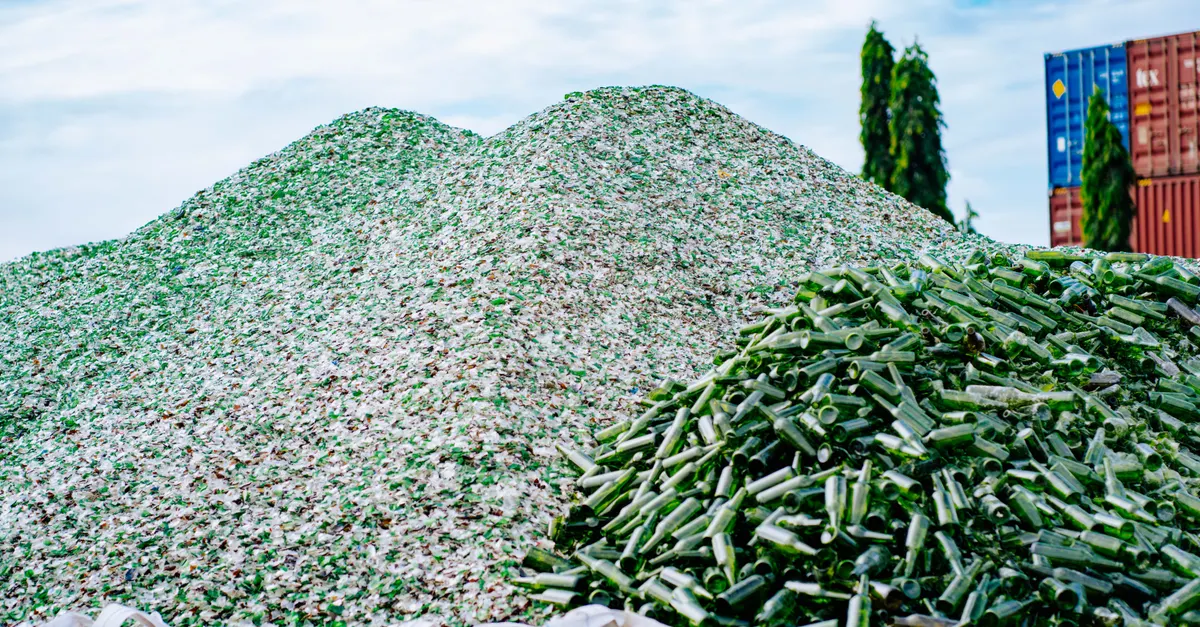
- Crushed glass: This material is increasingly used in decorative concrete, paving, and landscaping. Its reflective properties can enhance lighting and visual appeal in public spaces. For a deeper dive, explore the role of recycled glass in architecture.
- Recycled metals: Aluminum, steel, and copper are frequently recovered and reused in urban infrastructure, from street furniture to building facades. These metals retain their strength and can be recycled multiple times without loss of quality.
Sourcing and processing these materials typically involve collection from demolition sites, manufacturing waste, or post-consumer products. They are then cleaned, sorted, and processed to meet the specifications required for new urban projects.
Environmental Advantages of Recycled Materials in Urban Design
The use of recycled materials in urban design brings a host of environmental benefits that go beyond simple waste reduction. According to industry sources, incorporating recycled products into urban landscaping and construction helps conserve natural resources, reduces landfill use, and lowers carbon emissions.
- Resource conservation: By reusing existing materials, cities can decrease the demand for virgin resources such as timber, minerals, and fossil fuels. This helps preserve natural habitats and reduces the environmental footprint of extraction and processing.
- Waste reduction: Diverting materials from landfills not only extends landfill life but also prevents the release of harmful substances into soil and water. For example, recycling plastic and rubber keeps non-biodegradable waste out of the environment.
- Lower carbon emissions: Manufacturing products from recycled inputs generally requires less energy than producing them from raw materials. This translates to fewer greenhouse gas emissions and a smaller overall carbon footprint for urban projects.
- Promotion of zero waste design: Integrating recycled content supports the principles of zero waste, encouraging cities to design systems where materials are continuously reused and repurposed.
These environmental benefits are not just theoretical. For instance, using recycled plastic in urban landscaping has been shown to significantly reduce the need for new plastic production and the associated emissions, as highlighted by industry experts.
For a broader perspective on the advantages of using recycled materials across architectural and urban contexts, further reading is recommended.
Examples of Urban Projects Embracing Recycled Materials
Cities around the world are increasingly showcasing the creative and practical use of recycled resources in public spaces. Some notable examples include:
- Playgrounds with recycled rubber surfaces: Many urban parks now feature play areas surfaced with rubber tiles made from old tires, providing safety and durability while reducing tire waste.
- Pedestrian paths and plazas: Recycled glass and plastic are often incorporated into paving materials, creating visually striking walkways that are both functional and sustainable.
- Street furniture and public art: Benches, planters, and sculptures crafted from reclaimed wood or metal add character to city streets while promoting resource efficiency.
- Green roofs and walls: Some urban buildings use recycled materials in the construction of green roofs and living walls, enhancing insulation and biodiversity.
These projects demonstrate how recycled materials can be seamlessly integrated into the urban fabric, balancing aesthetics, function, and environmental responsibility. For those interested in the intersection of metalwork and sustainability, exploring metal design for sustainable urban development can provide additional insights.
Challenges and Limitations in Adopting Recycled Materials
While the benefits are clear, there are also challenges associated with using recycled resources in urban design. These can include:
- Quality and consistency: Recycled materials may vary in quality, making it difficult to meet strict building standards or aesthetic requirements.
- Supply chain issues: Reliable sourcing and processing of recycled content can be complex, especially for large-scale projects requiring uniformity.
- Cost considerations: In some cases, recycled materials can be more expensive due to additional processing or transportation needs, though this is changing as demand grows.
- Public perception: There may be misconceptions about the durability or safety of recycled products, which can hinder their acceptance in high-profile projects.
To overcome these obstacles, urban planners and designers can work closely with suppliers to ensure quality, invest in local recycling infrastructure, and educate stakeholders about the proven performance and environmental benefits of recycled materials. As technology advances and awareness increases, many of these challenges are gradually being addressed.
Conclusion: Advancing Sustainable Urban Environments
The integration of recycled resources into city planning is a vital step toward more sustainable and resilient urban environments. By choosing materials that conserve resources, reduce waste, and lower emissions, cities can address environmental challenges while creating spaces that are both innovative and practical. Urban planners, architects, and policymakers are encouraged to prioritize recycled content in future projects, setting a strong example for responsible development and environmental stewardship.
Frequently Asked Questions
What types of recycled materials are most commonly used in urban design?
Commonly used recycled materials include plastic, rubber, reclaimed wood, crushed glass, and metals such as aluminum and steel. Each material offers unique properties suitable for different urban applications, from paving and landscaping to street furniture and public art.
How do recycled materials benefit urban environments?
Recycled materials help conserve natural resources, reduce landfill waste, and lower carbon emissions. Their use supports sustainability goals and can contribute to healthier, more attractive urban spaces.
What are the main challenges when using recycled materials in city projects?
Challenges include ensuring consistent quality, managing supply chains, addressing higher initial costs, and overcoming public misconceptions. Collaboration, education, and investment in recycling infrastructure can help address these issues.