
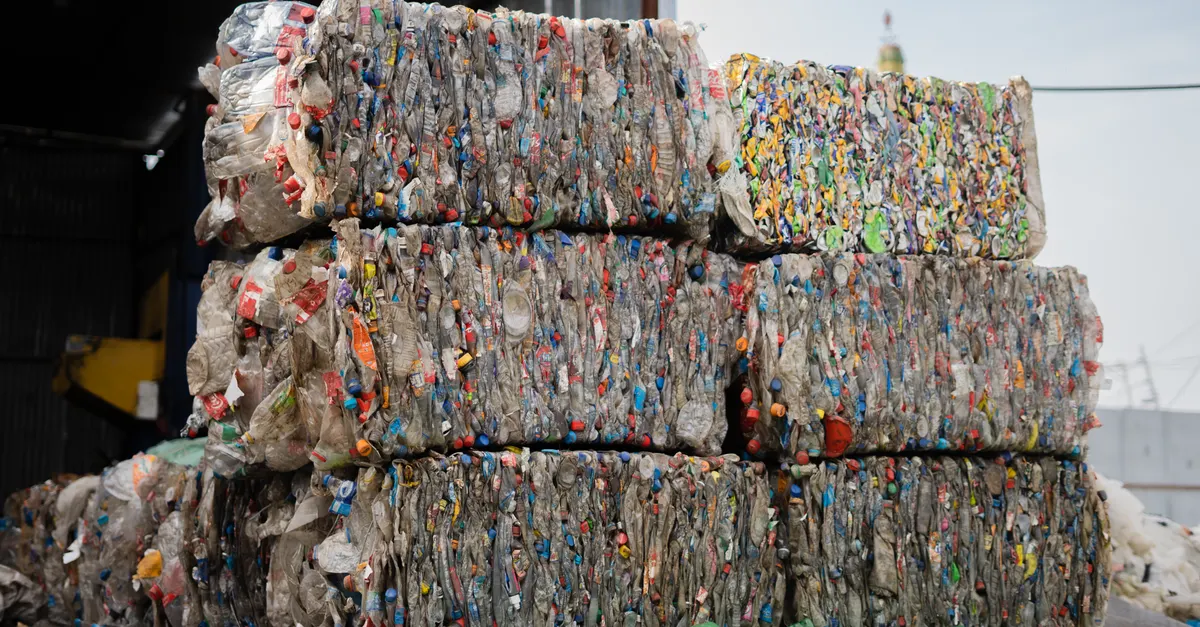
In the quest for sustainable construction, recycled plastic building materials have emerged as a big upgrade. These materials offer a unique blend of durability, eco-friendliness, and versatility, making them an attractive option for modern builders. With the construction industry increasingly focusing on reducing its environmental footprint, recycled plastics provide a viable solution that aligns with eco-friendly practices.
However, navigating the world of recycled plastic materials can be challenging. With numerous options available, each boasting different benefits and applications, it can be difficult to determine which materials are best suited for specific construction needs. This guide focuses on the most promising recycled plastic materials, highlighting their unique features and applications to help you make informed decisions.
Recycled Plastic Building Materials Reviews
1 NewTechWood UltraShield Naturale Deck Tile
Best For: Easy Installation
If you’re looking to transform your outdoor space with minimal effort, these deck tiles offer a simple yet effective solution. Their snap-together design makes them accessible for everyone, even kids.

Why We Like It
The NewTechWood UltraShield Naturale Deck Tile is known for its user-friendly design, making it a top pick for those who want a quick and hassle-free installation. Its snap-together feature means you can beautify your concrete slab without professional help, perfect for DIY enthusiasts. Made from high-grade recycled materials, these tiles are not only eco-friendly but also require minimal maintenance, saving you time and effort in the long run. However, they are only compatible with NewTechWood tiles, which might limit flexibility in design for some users.
- Easy to snap together
- Low maintenance
- Made from recycled plastic and wood
2 Makedo Roto-Ring Cardboard Construction Kit
Best For: Educational Play
This kit transforms cardboard into dynamic, spinning creations, perfect for young builders eager to explore engineering concepts through play.

Why We Like It
The Makedo Roto-Ring Kit is a fantastic tool for fostering creativity and engineering skills in children. Its design encourages hands-on learning, allowing kids to build moving parts like wheels and propellers from cardboard. This kit is made entirely from recycled materials, promoting sustainability while providing endless fun. It’s perfect for young inventors who love to experiment and learn by doing. However, it does require a Makedo Scru-Driver or Mini-Tool, which are sold separately, so be prepared for an additional purchase.
- Encourages STEM learning
- Eco-friendly and sustainable
- Reusable design
3 Geomag Classic Magnetic Toys
Best For: Creative Building
These magnetic toys are perfect for sparking creativity and teaching physics principles through play, all while being crafted from 100% recycled plastic.

Why We Like It
Geomag Classic Magnetic Toys are a brilliant way to combine education with play. These Swiss-made magnetic blocks are crafted from 100% recycled plastic, offering a sustainable option for parents who value eco-friendly products. They help develop spatial reasoning and critical thinking in children, making them an excellent educational tool. The set includes a variety of pieces that allow for complex constructions, fostering creativity and problem-solving skills. However, the limited stock availability means you might need to act quickly to secure a set.
- 142 pieces for creative building
- Made from recycled plastic
- Encourages STEM learning
How to Choose the Right Recycled Plastic Materials
Understanding Material Types
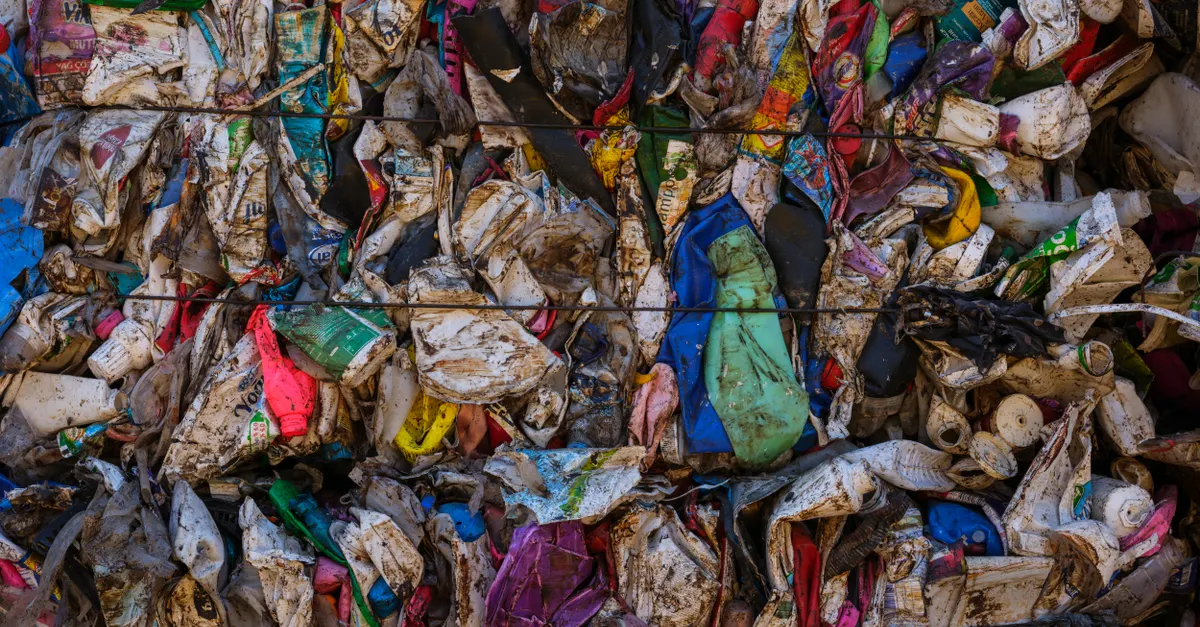
When selecting recycled plastic materials, it’s crucial to understand the different types available, such as HDPE and plastic lumber. Each type offers unique benefits and is suited for specific applications, so consider your project’s requirements carefully.
Evaluating Durability and Maintenance
Recycled plastic materials are known for their durability and low maintenance. However, it’s important to evaluate these factors in the context of your specific project to ensure they meet your long-term needs.
Considering Environmental Impact
One of the main benefits of using recycled plastic is its positive environmental impact. By choosing these materials, you contribute to reducing plastic waste and promoting sustainable building practices.
Balancing Cost and Benefits
While recycled plastic materials can be cost-effective, it’s essential to balance the initial investment with the long-term benefits they offer, such as durability and reduced maintenance costs.
Frequently Asked Questions
What are the benefits of using recycled plastic in construction?
Recycled plastic materials are durable, eco-friendly, and require low maintenance. They help reduce plastic waste and are often more cost-effective than traditional materials.
How is recycled plastic transformed into building materials?
Recycled plastic is processed and molded into various forms, such as plastic lumber and tiles, which can be used in construction projects. This process often involves melting and reshaping the plastic into new products.
What are some innovative applications of recycled plastic in construction?
Recycled plastic is used in various innovative ways, including as decking, roofing, and insulation materials. Its versatility allows for creative applications in sustainable building projects.
What are the limitations of using recycled plastic building materials?
While recycled plastic offers many benefits, it can have limitations such as compatibility with other materials and availability. It’s important to assess these factors in relation to your specific project needs.
How does using recycled plastic impact the environment?
Using recycled plastic helps reduce reliance on virgin materials and minimizes plastic waste, contributing to a more sustainable construction industry.
Recycled plastic building materials offer a sustainable and practical alternative to traditional construction materials. By understanding their benefits and limitations, you can make informed decisions that support eco-friendly building practices and contribute to a greener future.