
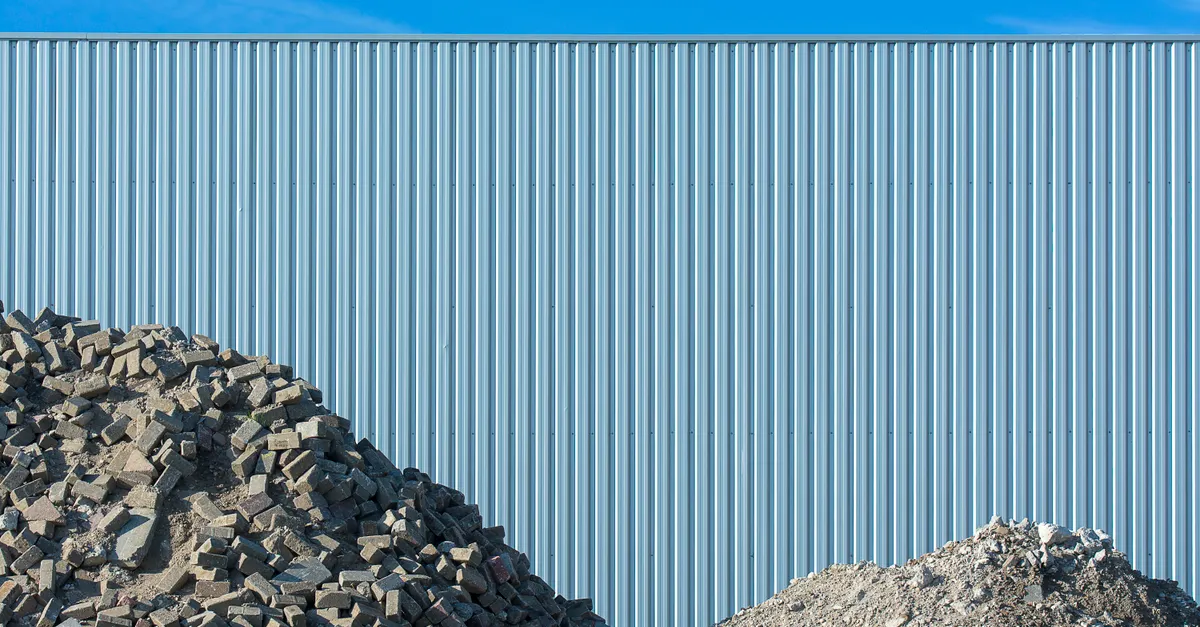
In the world of construction, the push towards sustainability is stronger than ever. With the increasing awareness of environmental issues, using recycled materials in construction projects is not just a trend but a necessity. These materials help reduce waste, conserve natural resources, and lower carbon footprints, making them an essential part of modern construction practices. For more information on the benefits of using recycled materials, visit the EPA’s guide.
However, choosing the right recycled materials can be challenging. The market is flooded with options that often look similar, yet their properties and applications can vary significantly. This guide focuses on the most effective recycled materials for construction, highlighting their unique benefits and helping you make informed decisions for your projects.
Recycled Materials Reviews
1 ZIP-UP Floor Protection Board
Best For: Maximum Surface Protection
Perfect for contractors and DIY enthusiasts, this board offers robust protection for floors during construction or renovation projects.

Why We Like It
The ZIP-UP Floor Protection Board is known for its robust durability and ease of installation, making it ideal for both commercial and residential applications. Its water-resistant coating ensures that floors remain protected from spills and moisture, which is particularly useful during painting or remodeling projects. The board is made from 100% recycled materials, aligning with sustainable construction practices. However, for smaller projects, its heavy-duty nature might be more than what’s needed.
- Maximum protection for hard surfaces
- Easy to install and cut to size
- Commercial and residential use
2 IDL Packaging Brown Paper Roll
Best For: Versatile Crafting and Packing
This kraft paper roll is perfect for those who need a reliable, eco-friendly option for packaging and creative projects.

Why We Like It
The IDL Packaging Brown Paper Roll is a versatile choice for anyone looking to incorporate eco-friendly materials into their projects. Its 100% recycled content makes it a sustainable option for packing and crafting. The paper’s thickness ensures durability, making it suitable for a range of uses from gift wrapping to protecting items during shipping. However, it lacks waterproof properties, so it’s best used for indoor projects or where moisture isn’t a concern.
- 48 inches wide and 100 feet long
- 50 lbs thickness for strength
- Flexible and easy to handle
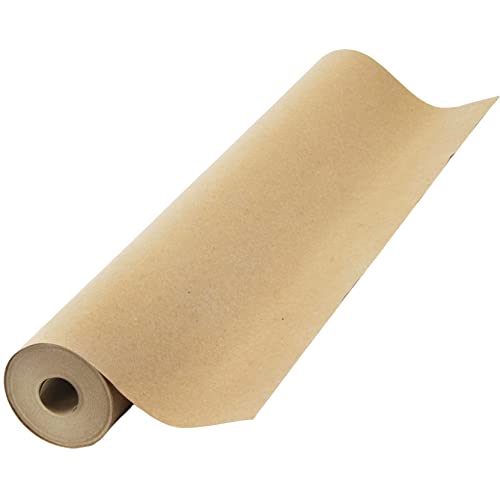
3 Creative Paper Co Kraft Paper Roll
Best For: Sustainable Gift Wrapping
This kraft paper roll is ideal for those who prioritize sustainability in their packaging and crafting projects.
Why We Like It
The Creative Paper Co Kraft Paper Roll is a fantastic choice for eco-conscious consumers. Made from 100% recycled materials, it offers a sustainable alternative to traditional wrapping papers. Its durability makes it suitable for a variety of uses, from gift wrapping to crafting. The paper is thick enough to withstand folding and scoring, making it ideal for creative projects. However, it should be noted that this paper is best suited for dry applications, as it is not waterproof.
- 17.75 inches wide and 100 feet long
- 40 lbs industrial-grade thickness
- Recyclable and decomposes naturally
4 KEEN Utility Men’s Lansing Mid Steel Toe WP WorkBoot
Best For: Durable Workwear
These boots are perfect for those who need reliable, durable footwear for tough working conditions.

Why We Like It
The KEEN Utility Men’s Lansing Mid Steel Toe WP WorkBoot is designed for those who need both comfort and protection in their footwear. The steel toe design offers safety, while the waterproof membrane keeps feet dry in wet conditions. The use of recycled materials in its construction aligns with sustainable practices, making it a responsible choice for environmentally conscious consumers. However, the limited stock availability might be a concern for some buyers.
- Asymmetrical steel toe design
- Oil- and slip-resistant outsole
- EH-rated for electrical hazard protection
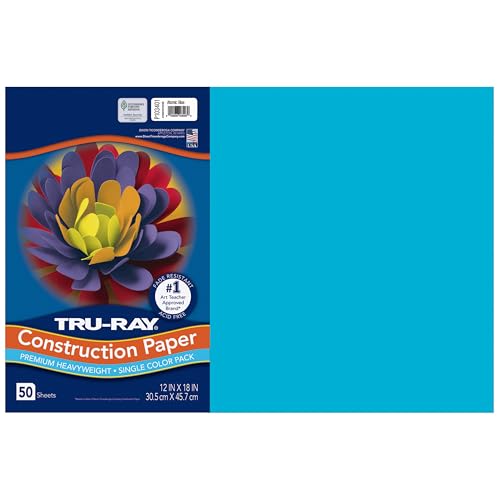
5 Tru-Ray® Construction Paper
Best For: Art and Educational Projects
Ideal for schools and art enthusiasts, this construction paper offers vibrant colors and durability for creative projects.
Why We Like It
Tru-Ray® Construction Paper is a staple for art projects, offering vibrant colors that resist fading over time. This heavyweight paper is durable enough to handle various artistic techniques, from painting to folding. Made from 50% recycled materials, it supports eco-friendly practices in educational settings. While it excels in artistic applications, its use is primarily limited to creative projects.
- 12″ x 18″ size for flexibility
- 70 lb. heavyweight paper
- Trusted by educators
How to Choose the Right Recycled Materials
Understanding Material Properties
When selecting recycled materials for construction, it’s crucial to understand their properties. Consider factors such as durability, moisture resistance, and ease of installation. For instance, materials like recycled steel offer high strength and can be reused multiple times without losing integrity.
Environmental Impact
One of the primary reasons to choose recycled materials is their positive environmental impact. Using materials like recycled concrete can significantly reduce energy consumption and waste. According to studies, recycling concrete can save as much energy as 1 billion gallons of gasoline if all US concrete waste were recycled.
Cost Considerations
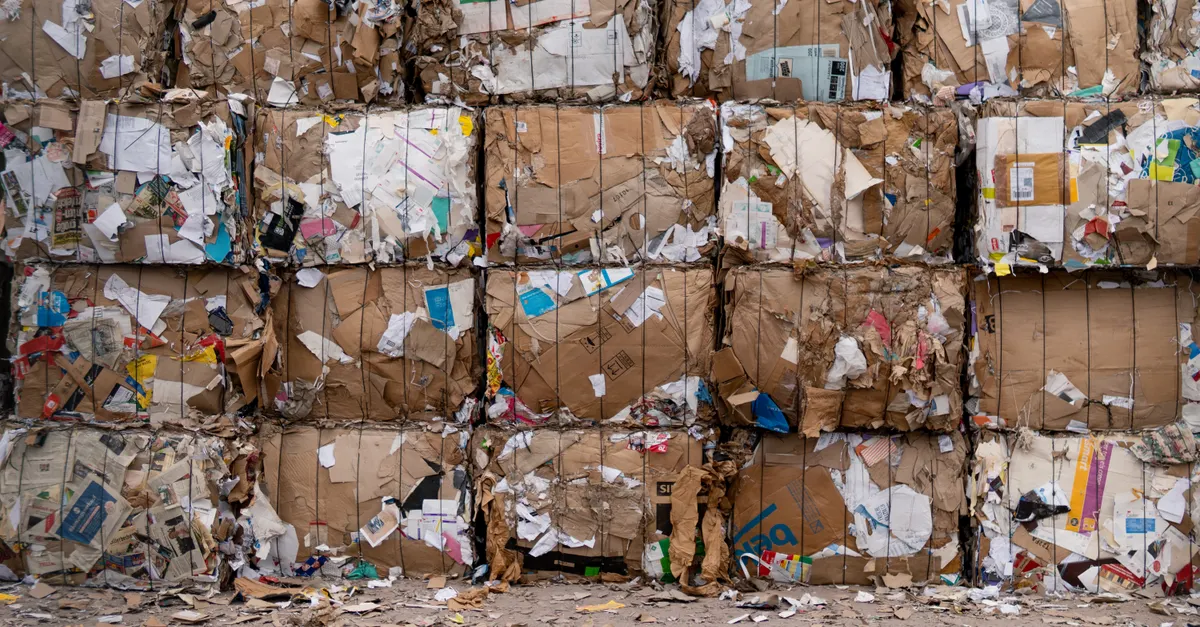
Cost is always a factor in construction projects. Recycled materials can offer cost savings, but it’s essential to balance this with the material’s performance and suitability for the project. For example, while recycled paper products are affordable, they may not be suitable for all applications.
Frequently Asked Questions
What are the best recycled materials for construction?
The best recycled materials for construction include recycled steel, concrete, and paper products. These materials offer durability, cost-effectiveness, and environmental benefits.
How do recycled materials contribute to sustainable construction?
Recycled materials help reduce waste, conserve natural resources, and lower the carbon footprint of construction projects, making them a key component of sustainable construction practices.
What are some examples of projects using recycled materials?
Many projects worldwide have successfully integrated recycled materials, such as using recycled concrete for road construction or recycled steel in building frameworks.
Incorporating recycled materials into construction projects not only supports environmental sustainability but also offers practical benefits such as cost savings and enhanced material performance. By choosing the right materials, you can contribute to a more sustainable future in construction.